Discovering the Hidden Gems of Cusco with My Puppy: A Personal Guide to Off-the-Beaten-Path Spots
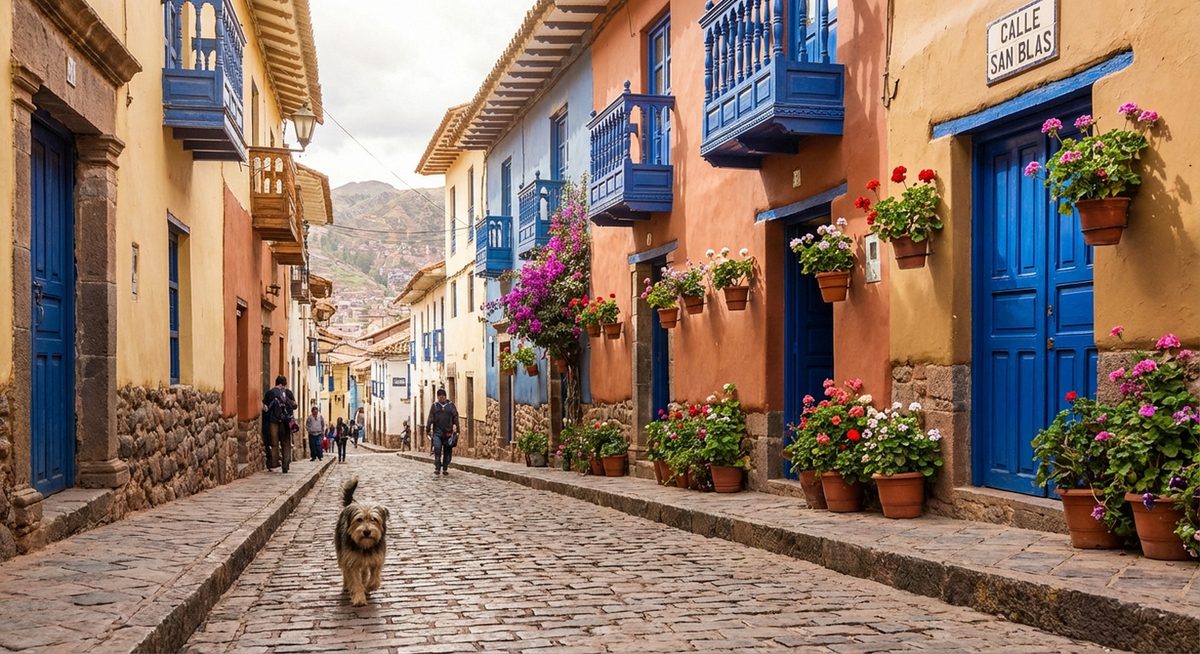
I never planned to explore Cusco with a dog. It happened the way most things in Peru happen: unexpectedly, and with a bit of chaos. I was walking through the San Pedro neighbourhood one morning when a scruffy puppy with enormous ears and a crooked tail decided to follow me. She was small, brown, fearless, and clearly had no owner. By lunchtime she had eaten half my sandwich, and by evening I had named her Canela and accepted that we were now a team. What followed was three weeks of wandering through Cusco together, and Canela turned out to be the best travel companion I have ever had, because she led me to places I never would have found on my own.
This is a guide to the Cusco most tourists miss. Not the Plaza de Armas or the ticket-required ruins that every guidebook covers, but the quiet plazas, hidden viewpoints, crumbling walls, and dog-friendly corners where the city reveals its real character. If you are thinking about exploring Cusco off the beaten path, or if you happen to be travelling with a dog, this is for you.
San Blas: The Neighbourhood That Rewards Getting Lost
Everyone tells you to visit San Blas, Cusco's artisan quarter, and that advice is correct but incomplete. Most visitors walk up to the Plazoleta de San Blas, look at the San Blas Church with its famous carved pulpit, browse the shops along Cuesta de San Blas, and head back down. They miss the best parts.
The real San Blas starts when you leave the main square and wander into the steep, narrow streets that climb toward the hilltop. This is where Canela excelled. She had an unerring nose for interesting alleyways, and she kept pulling me down passages I would have dismissed as dead ends. More than once, a narrow staircase between adobe walls opened up onto a tiny plaza with a tree, a bench, and a view over the terracotta rooftops to the mountains beyond. No tourists, no vendors, just the sound of birds and a distant radio playing cumbia.
One morning we found a small courtyard workshop where a man was carving wooden saints. He did not have a shop sign or a Google listing. He had been working there for thirty years, he told me, and his grandfather before him. Canela lay at his feet while he showed me his tools and explained the difference between Cusqueño and Ayacuchano carving styles. I bought a small angel that now sits on my bookshelf. That kind of encounter does not happen on the main tourist circuit.
The trick with San Blas is to go early. By 10 AM the main streets fill with tour groups and the shops open their doors to a soundtrack of pan flute covers. At 7 AM, the neighbourhood belongs to residents: women carrying bread from the bakery, schoolchildren in uniforms, stray dogs (Canela made several friends), and the occasional rooster. That is when San Blas feels most alive.
Sacsayhuamán at Sunrise: Before the Tour Buses Arrive
Sacsayhuamán is on every tourist's list, and rightly so. The massive stone walls, built with blocks weighing up to 200 tonnes and fitted together without mortar, are genuinely awe-inspiring. But visiting Sacsayhuamán at 11 AM with 500 other people and a guide shouting into a megaphone is a fundamentally different experience from arriving at dawn with only a dog for company.
Canela and I walked up from the city centre, a steep 30-minute climb that is excellent for acclimatising to the altitude. We arrived just as the sun was cresting the mountains to the east, flooding the massive stone zigzag walls with warm golden light. The site was almost empty. A few local joggers, a woman doing yoga on the grass, and us. Canela ran across the enormous open esplanade while I sat on the stones and tried to comprehend how anyone had moved them into place.
The area around Sacsayhuamán is open and grassy, essentially a large park, which makes it ideal for dogs. Canela explored every crevice in the stonework and chased a startled viscacha (a rabbit-like rodent) into a gap between two megalithic blocks. The guards, who are present even early, were amused rather than annoyed by her presence. One told me that local dogs wander through the site every day.
A note on the Boleto Turístico: the main archaeological zone requires a ticket, but the surrounding fields and hills are freely accessible. If you arrive before the ticket booth opens, you can often walk the outer areas without paying. However, I recommend buying the ticket (it covers multiple sites) and exploring the full complex, including the tunnels and carved stones on the far side that many visitors skip.
Qenqo: The Carved Labyrinth Most Tourists Rush Past
About a fifteen-minute walk from Sacsayhuamán along the road toward Písac, Qenqo is a large limestone outcrop that the Inca carved into a complex ceremonial site. Zigzag channels (the name Qenqo means "zigzag" in Quechua) run across the top of the rock, believed to have been used for pouring chicha (corn beer) or llama blood during rituals. Beneath the outcrop, a natural cave has been carved into an altar-like chamber with niches and a flat stone that may have been used for mummification.
Most tour groups spend about ten minutes here, snap a few photos, and move on to the next stop. Canela and I stayed for over an hour. The site is small enough to explore thoroughly, and the carvings become more interesting the longer you look at them. There are stone seats, carved condors and pumas, and channels that seem to serve no practical purpose but must have held deep significance. The cave below is genuinely atmospheric: cool, dark, and slightly eerie even in daylight.
Dogs are tolerated at Qenqo as long as they are well-behaved. Canela sniffed everything carefully and seemed particularly interested in the cave, which I like to think means she sensed something ancient. More likely she smelled a mouse.
Tambomachay: The Quiet Temple of Water
A bit further along the same road, Tambomachay is a small Inca site centred on a natural spring. The stone channels and fountains here are still functioning, channelling clear mountain water through precisely carved aqueducts into a series of pools. The engineering is elegant: the water flows at a constant rate year-round, and the stone joints are so tight that there is minimal leakage even after five centuries.
Tambomachay is thought to have been a place of ritual bathing and water worship. It is peaceful and comparatively uncrowded, partly because it is the furthest of the four ruins on the Sacsayhuamán circuit and many tour groups run out of time before reaching it. Canela drank from the ancient fountains, which I hope was not disrespectful. The water is clean and cold, straight from the mountain aquifer.
The walk between these sites follows a pleasant road through eucalyptus groves with good views back toward Cusco. It is an excellent half-day outing, and if you are travelling with a dog, the combination of open spaces, interesting smells, and manageable distances makes it ideal. For more archaeological adventures beyond these sites, consider visiting Choquequirao, often called the "sister city" of Machu Picchu.
Cristo Blanco: The Viewpoint the Locals Prefer
The white Christ statue above Sacsayhuamán is visible from most of Cusco, but relatively few tourists make the short walk up to it. Their loss. The hilltop where Cristo Blanco stands offers one of the best panoramic views of the city, with the entire old centre laid out below you like a map: the Plaza de Armas, the cathedral, the Santo Domingo church built over the Inca Coricancha temple, and the terracotta sprawl extending up the hillsides.
Canela and I visited at sunset, which turned out to be the perfect time. The statue itself is not architecturally remarkable (it was a gift from Palestinian Christians in 1945), but the view is. As the sun dropped behind the western mountains, the city turned gold, then orange, then a deep warm amber. Church bells rang in sequence across the valley. A few local couples sat on the grass, sharing bottles of Cusqueña beer. It was, without exaggeration, one of the most beautiful evenings I have spent anywhere in Peru.
The walk up from the city takes about 40 minutes at altitude pace. Alternatively, you can visit Cristo Blanco as part of the Sacsayhuamán circuit. There is no entry fee. It is a good spot for adding to your Peru destinations list, and the photos you take here will be better than anything from the crowded Plaza de Armas below.
San Pedro Market: A Sensory Overload That Dogs Love
Mercado de San Pedro is Cusco's central market, and while it is well known to tourists, few explore it as thoroughly as it deserves. The market is enormous, occupying an entire city block, and its sections range from fruit and vegetables to fresh meat, bread, juices, prepared food, dried herbs, and an overwhelming variety of potatoes (Peru has over 3,000 varieties, and San Pedro seems to stock most of them).
Walking through San Pedro with Canela was an education in canine enthusiasm. She was beside herself with the smells: raw meat, grilled anticuchos, fresh bread, dried chillies, the herbal medicine section where bundles of muña, coca, and other Andean plants hang from the ceiling. The vendors were almost universally friendly toward her. One woman in the juice section gave her a piece of papaya. Another in the bread area offered her a broken roll. Canela made more friends in San Pedro Market in one hour than I have made in years.
For humans, the market is a great place for a cheap, authentic breakfast or lunch. The food stalls in the centre serve platos del día (daily set meals) for around 7 to 10 soles, usually a soup, a main course with rice and salad, and a drink. The juice ladies will blend any combination of tropical fruits for a few soles. My favourite was a mix of papaya, maracuyá (passion fruit), and a spoonful of maca powder, which the vendor assured me would give me energy for the rest of the day. She was right.
Mercado de San Blas: The Market Even Locals Call Hidden
If San Pedro is the main event, Mercado de San Blas is the quiet afterparty. Tucked into a small building in the San Blas neighbourhood, this market is frequented almost exclusively by locals. It is much smaller than San Pedro, with just a handful of stalls selling produce, bread, cheese, and prepared food. The atmosphere is intimate and unhurried.
I found this market by accident, following Canela up a side street. She was attracted by the smell of fresh bread, and when I followed her through the doorway, I found a bakery stall selling traditional Cusqueño breads: t'anta wawa (bread dolls), chuta (a sweet, heavy loaf), and simple round rolls still warm from the oven. The baker's wife gave Canela a piece of crust and me a recommendation for the ají de gallina at the food stall next door, which turned out to be one of the best I have eaten.
Dog-Friendly Cafés and Restaurants in Cusco
Cusco is more dog-friendly than you might expect. While dogs are not permitted inside most formal restaurants, the city's many cafés with outdoor seating are generally welcoming. Here are a few places where Canela and I were made to feel at ease:
Several cafés along the Plazoleta de San Blas have outdoor tables where dogs can sit with you. The coffee scene in Cusco has improved dramatically in recent years, with several specialty shops roasting beans from the Quillabamba and La Convención valleys. I found that ordering a coffee and sitting outside with Canela was the perfect way to watch San Blas wake up in the morning.
In the Procuradores street area (known locally as "Gringo Alley," though the name is slightly outdated), several restaurants have terraces overlooking the street where dogs are tolerated. The food here tends to be aimed at tourists, pizza and pasta and vegetarian options, but the people-watching is excellent and the staff were universally kind to Canela.
Near the Plaza de las Nazarenas, there is a small courtyard café that I will not name specifically (partly to preserve its charm, partly because I am not sure it has a name) where the owner keeps two dogs of her own and actively welcomes visiting dogs. She served me coca tea and homemade cake while Canela played with a small terrier mix in the courtyard. These are the moments that make travel worthwhile.
Tipón: A Day Trip for Inca Engineering Enthusiasts
About 25 kilometres southeast of Cusco, Tipón is an Inca site that should be famous but is not. It consists of a series of beautifully preserved agricultural terraces fed by an intricate irrigation system that still functions perfectly. The water channels, fountains, and aqueducts here are considered some of the finest examples of Inca hydraulic engineering in existence.
I visited Tipón on a day trip with Canela, taking a colectivo from Cusco's Avenida de la Cultura to the turnoff, then walking the last three kilometres uphill to the ruins. The walk passes through a quiet valley with eucalyptus trees and occasional farms. Canela loved it. The site itself is spread across a steep hillside, with terraces climbing up to a natural spring at the top. We had the place almost entirely to ourselves, which allowed Canela to explore freely while I marvelled at the engineering.
On the way back, the village of Tipón at the base of the hill is known throughout the Cusco region for its cuy (guinea pig) restaurants. If you eat cuy, and if you are exploring Peruvian food traditions you should try it at least once, this is the place to do it. The cuy is roasted whole over wood fires and served with potatoes and ají. I ate mine at an outdoor table while Canela napped under my chair, exhausted from the hills. For more about guinea pigs in Peruvian culture, read our piece on guinea pigs as the ultimate Peruvian pet.
Tips for Travelling with a Dog in Peru
Peru is a country where dogs are everywhere, mostly strays and community dogs, so locals are generally accustomed to seeing dogs in public spaces. That said, travelling with a dog in Peru requires some planning and flexibility.
Altitude is a real concern. Cusco sits at 3,400 metres above sea level, and dogs can experience altitude sickness just as humans do. Symptoms include lethargy, loss of appetite, and laboured breathing. Give your dog time to acclimatise (at least a day of rest upon arrival), keep them hydrated, and watch for signs of distress. Canela, being a street dog born at altitude, had no issues, but dogs arriving from sea level may need more time to adjust.
Transport can be tricky. Local buses and colectivos generally allow small dogs if you keep them on your lap or in a carrier. Larger dogs may need to ride in the luggage compartment or may not be permitted at all. Taxis are usually fine as long as you ask the driver first. Long-distance buses have varying policies, so check with the company before booking.
Veterinary care in Cusco is decent, with several clinics in the city centre. If your dog needs medical attention, ask at your hotel for a recommendation. Vaccinations (particularly rabies) should be up to date, and carrying your dog's health records is wise. If you are considering adopting a Peruvian dog like I adopted Canela, read about why Peruvian hairless dogs make wonderful companions.
Food for your dog is easy to find. Pet food is sold at bodegas and larger supermarkets throughout Cusco. For a street dog like Canela, the challenge was not finding food but preventing her from eating everything offered by friendly market vendors.
Final Thoughts: Cusco Through a Dog's Eyes
Travelling with Canela changed how I experienced Cusco. Without her, I would have followed the standard route: Plaza de Armas, Coricancha, Sacsayhuamán, maybe a day trip to the Sacred Valley. With her, I spent mornings exploring dead-end streets in San Blas, afternoons sitting in hidden courtyards, and evenings watching sunsets from hilltops that did not appear in any guidebook. She showed me a Cusco that moves at its own pace, where the interesting things happen in the margins.
If you have the chance to explore Cusco slowly, whether with a dog or without, take it. Skip the rushed city tours and give yourself time to wander. The hidden gems are not hard to find. They just require you to look up from the guidebook and follow your curiosity, or your nose, down the next unmarked alleyway. And if you want to extend your Cusco adventure, consider whether Rainbow Mountain is worth the visit, though I should warn you: it is not as dog-friendly as the city itself.
Frequently Asked Questions About Cusco's Hidden Gems
Is Cusco dog-friendly for travellers?
Cusco is reasonably dog-friendly, particularly for outdoor activities. Dogs are welcome at most outdoor cafés, public parks, and open archaeological sites (though some ticket-required ruins may restrict them). The main challenges are altitude acclimatisation for dogs not born at elevation and transport logistics on buses. Locals are generally welcoming toward well-behaved dogs, and the city has several veterinary clinics for emergencies.
What are the best hidden gems in Cusco?
The best off-the-beaten-path spots include the upper streets of San Blas (above the main plazoleta), the Cristo Blanco viewpoint at sunset, the Qenqo and Tambomachay archaeological sites (which get far less attention than Sacsayhuamán), the Mercado de San Blas, and the Tipón ruins about 25 kilometres outside the city. All of these reward slower exploration and offer experiences distinct from the standard tourist circuit.
Can I visit Sacsayhuamán for free?
The main archaeological zone of Sacsayhuamán requires a Boleto Turístico (tourist ticket), which costs 130 soles for the full circuit covering multiple sites. However, the surrounding open fields and the path leading up from the city are freely accessible. Early morning visitors sometimes find the main site accessible before the ticket booth opens, though this is not officially sanctioned. The Cristo Blanco viewpoint nearby is always free.
How long should I spend in Cusco to see the hidden gems?
To explore Cusco's hidden spots properly, plan at least four to five days in the city itself, separate from any Sacred Valley or Machu Picchu excursions. This allows time for slow exploration of San Blas, the Sacsayhuamán circuit at your own pace, a day trip to Tipón, and plenty of wandering through markets and backstreets. Rushing through in two days will leave you seeing only the surface attractions.
Is it safe to walk around Cusco at night?
Central Cusco (around Plaza de Armas, San Blas, and the main tourist streets) is generally safe at night, with good lighting and regular police patrols. However, the streets become much quieter after 10 PM, and the steep alleyways of San Blas can feel isolated. Avoid walking alone in poorly lit areas, keep valuables out of sight, and stick to streets with other pedestrians. Taxi apps are a safe option for late-night returns to your accommodation.
What should I eat at San Pedro Market in Cusco?
Start with a fresh juice from the juice section, papaya, maracuyá, or a maca-boosted blend. For breakfast, try the tamales or humitas. For lunch, the food stalls in the centre serve platos del día (set meals) for about 7-10 soles. Try ají de gallina (creamy chicken), lomo saltado (stir-fried beef), or sopa de quinua (quinoa soup). The bread section sells traditional Cusqueño varieties worth sampling, and the dried herb area is fascinating even if you do not buy anything.
Can I adopt a stray dog in Cusco and bring it home?
It is possible but requires planning. Several animal rescue organizations in Cusco, such as Cusco Perro and local shelters, can help with the adoption process. You will need a veterinary health certificate, an up-to-date rabies vaccination administered at least 30 days before travel, and a SENASA export permit. Airlines have specific pet transport requirements, so check with your carrier well in advance. The process typically takes one to two weeks to complete.
What is the best way to get around Cusco without a car?
Walking is the best way to explore central Cusco, as most attractions, markets, and restaurants are within a compact area. For longer trips to sites like Tipón or Tambomachay, colectivos (shared minibuses) depart from Avenida de la Cultura and cost just a few soles. Taxis are inexpensive within the city, typically 5 to 10 soles for short rides. Ride-hailing apps like InDriver also operate in Cusco and offer transparent pricing.