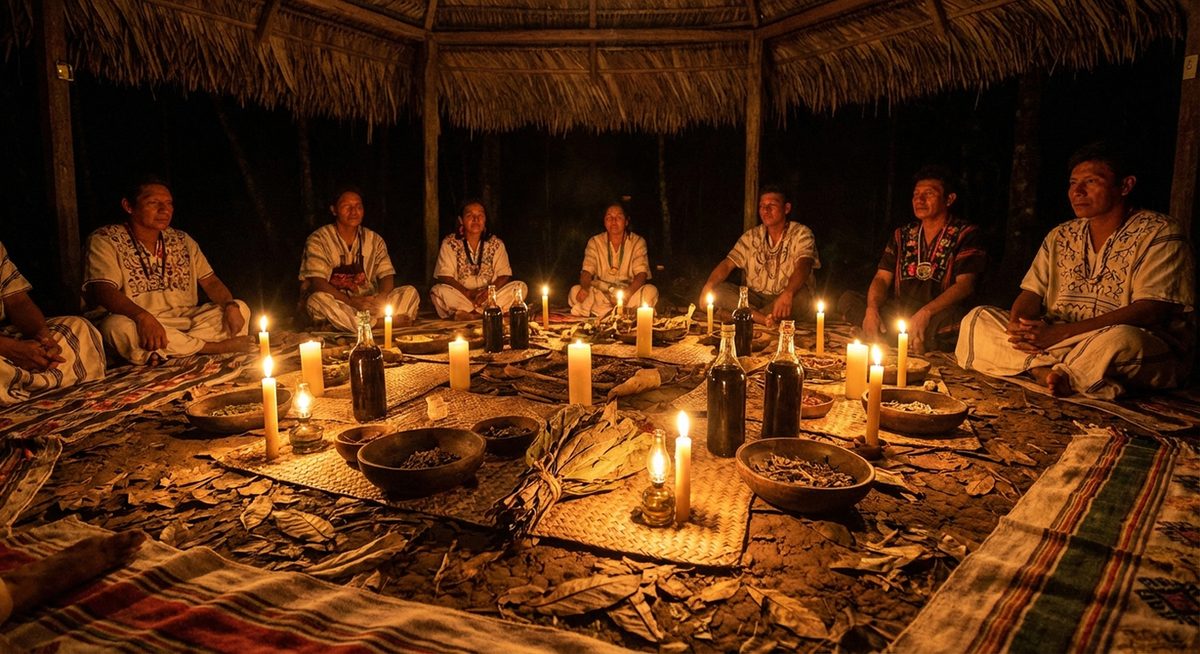
Experiences With the Ayahuasca Ceremony in Peru: Traditional Rituals, Preparation, and What to Expect
Ayahuasca tea has been brewed and consumed in the Peruvian Amazon for centuries, long before the outside world took notice of its powerful effects. For the indigenous Shipibo-Conibo, Asháninka, and dozens of other Amazonian peoples, ayahuasca is not a recreational drug or a wellness trend — it is a sacred plant medicine used for healing, spiritual insight, and communication with the natural world. In recent decades, the ayahuasca ceremony has drawn increasing numbers of international visitors to Peru, creating a complex intersection of ancient tradition and modern tourism that carries both profound potential and genuine risks.
What Is Ayahuasca? Understanding the Sacred Brew
Ayahuasca is a psychoactive brew made primarily from two plants: the Banisteriopsis caapi vine and the leaves of the Psychotria viridis shrub (commonly called chacruna). The vine contains monoamine oxidase inhibitors (MAOIs) that allow the dimethyltryptamine (DMT) in the chacruna leaves to become orally active. Neither plant alone produces the full ayahuasca experience — it is the combination, discovered by indigenous Amazonian peoples through centuries of botanical knowledge, that creates the brew's characteristic effects.
The word "ayahuasca" comes from the Quechua language: aya means "spirit" or "soul," and huasca means "vine." It is often translated as "vine of the soul" or "vine of the dead." Different indigenous groups in Peru have their own names for the brew — the Shipibo call it oni, while other groups use terms like natem or yagé. The beverage is dark brown, thick, and intensely bitter, with a taste that most participants describe as unpleasant.
In its traditional context, ayahuasca is administered by a trained healer known as a curandero or, more specifically, an ayahuasquero. These practitioners undergo years — sometimes decades — of rigorous training under the guidance of experienced mentors, learning not only how to prepare the brew but also the extensive body of songs, prayers, and botanical knowledge that constitutes the ayahuasca healing tradition.
The History of Ayahuasca in Peruvian Indigenous Culture
Archaeological evidence suggests that plant-based psychoactive preparations have been used in the Amazon basin for at least a thousand years, though the precise origins of ayahuasca brewing remain difficult to pin down due to the perishable nature of plant materials. What is certain is that by the time European explorers and missionaries arrived in the Amazon in the 16th and 17th centuries, ayahuasca use was already deeply established among numerous indigenous groups.
Spanish Jesuit missionaries documented encounters with ayahuasca in the 17th century, typically describing it in negative terms as a tool of the devil. Colonial authorities attempted to suppress indigenous plant medicine practices, including ayahuasca ceremonies, as part of broader campaigns to eradicate traditional spiritual beliefs. Despite this persecution, ayahuasca traditions survived in the deep forest communities beyond effective colonial control.
In the 20th century, the blending of indigenous Amazonian practices with elements of folk Catholicism and African spiritual traditions gave rise to syncretic ayahuasca churches, most notably the Santo Daime and União do Vegetal movements in Brazil. These organized religious movements helped bring ayahuasca to international attention, though Peru's indigenous ayahuasca traditions follow different protocols and contexts from these church-based practices.
The Peruvian government officially recognized ayahuasca as part of the country's cultural heritage in 2008, declaring traditional ayahuasca knowledge and practices a National Cultural Patrimony. This designation acknowledged the deep cultural significance of the brew while distinguishing traditional indigenous use from other contexts. The relationship between sacred plants and broader Peruvian cultural traditions — including the use of palo santo in spiritual ceremonies — reflects a worldview in which the natural and spiritual realms are deeply interconnected.
How a Traditional Ayahuasca Ceremony Works
A traditional ayahuasca ceremony in the Peruvian Amazon follows protocols that have been refined over generations. While specific details vary among different indigenous groups and individual healers, the general structure is remarkably consistent.
Preparation: The Dieta
Before participating in a ceremony, participants are typically asked to follow a special diet known as a dieta. This diet begins at least several days before the ceremony and may extend for weeks in more traditional settings. The dieta restricts salt, sugar, spicy foods, red meat, pork, alcohol, caffeine, and sexual activity. Some healers also prohibit dairy products and fermented foods.
The purpose of the dieta is both physical and spiritual. On a practical level, the MAOIs in ayahuasca can interact dangerously with certain foods, particularly those containing tyramine (aged cheeses, fermented products, cured meats). On a spiritual level, the dieta is understood as a process of purification that prepares the body and mind to receive the medicine's teachings.
The Ceremony Setting
Traditional ceremonies take place at night, typically in a maloca (a large, open-sided ceremonial structure) or a dedicated healing space. The setting is intentionally dark — candlelight or a small fire may provide minimal illumination at the beginning, but the main portion of the ceremony occurs in complete darkness. Participants sit or lie on mats arranged in a circle or semicircle around the healer.
The healer begins by cleansing the space using palo santo or mapacho (Amazonian tobacco) smoke, a practice that parallels cleansing rituals found throughout Andean and Amazonian cultures. The healer may also blow tobacco smoke over each participant individually and over the ayahuasca brew itself as a form of blessing and protection.
Drinking the Brew
The healer pours a measured dose of ayahuasca for each participant. The amount varies based on the healer's assessment of each person and the strength of the particular batch. Participants drink the brew from a small cup and then return to their places to wait for the effects to begin, which typically takes 20 to 45 minutes.
The Icaros: Songs of Healing
Once the medicine takes effect, the healer begins singing icaros — melodic, often whistled or chanted songs that are considered the most essential tool in the ayahuasca healing tradition. Icaros are not simply background music; they are understood as vehicles of spiritual power that guide the experience, summon plant spirits, direct healing energy, and protect participants from negative influences.
Each healer has a personal repertoire of icaros learned from their teachers and from the plant spirits themselves during their own years of training. Shipibo icaros, with their intricate melodic patterns and Shipibo-language lyrics, are among the most recognized, but each indigenous group has distinct musical traditions associated with ayahuasca healing.
The Experience
Ayahuasca experiences are profoundly individual, but common elements include vivid visual imagery (both eyes-open and eyes-closed), intense emotional processing, physical purging (nausea and vomiting are considered a normal and even beneficial part of the process, known as la purga), heightened sensory perception, and what participants describe as insights into personal issues, relationships, and life patterns.
The experience typically lasts four to six hours, though the most intense period usually occurs within the first two to three hours. Throughout this time, the healer continues singing icaros and may approach individual participants to perform specific healing work, such as blowing tobacco smoke, shaking a leaf rattle (schacapa), or singing directly to a participant.
After the Ceremony
When the healer determines that the ceremony is complete, a candle or lamp is lit and participants are given time to rest and integrate their experience. In traditional settings, the healer may offer guidance or interpretation in the days following the ceremony. Some traditions include multiple ceremonies over consecutive nights, allowing participants to deepen their work with the medicine.
Ayahuasca Tourism in Peru: Where Ceremonies Take Place
The growth of international interest in ayahuasca has created a substantial tourism industry centered primarily in three regions of Peru.
Iquitos is the most popular destination for ayahuasca tourism. This city in the northeastern Amazon is accessible only by air or river and is surrounded by dense rainforest. Dozens of ayahuasca retreat centers operate in the Iquitos area, ranging from small, traditional indigenous operations to large, resort-style facilities catering to international visitors.
Pucallpa and the nearby Shipibo community of San Francisco are closely associated with Shipibo ayahuasca traditions. Some visitors prefer this area because the Shipibo have one of the strongest documented ayahuasca healing traditions and because the tourism infrastructure is less developed than in Iquitos, which can mean a more authentic experience.
Cusco and the Sacred Valley have also become centers for ayahuasca ceremonies, despite being in the Andean highlands rather than the Amazon. Ceremonies in this region often blend Amazonian ayahuasca traditions with Andean spiritual practices, creating syncretic experiences that some purists view critically but that many participants find meaningful.
Risks and Safety Considerations
Participating in an ayahuasca ceremony carries genuine risks that any potential participant should carefully consider.
Medical interactions are the most serious concern. Ayahuasca's MAOI content can cause dangerous — potentially fatal — interactions with certain medications, including SSRIs and other antidepressants, MDMA, amphetamines, and some blood pressure medications. Anyone taking prescription medications should consult a physician before considering ayahuasca.
Psychological risks are also significant. Ayahuasca can trigger intense and sometimes distressing psychological experiences, including anxiety, paranoia, and the surfacing of traumatic memories. People with a history of psychotic disorders, severe anxiety, or certain other mental health conditions may face heightened risks.
Quality of practitioners varies enormously. The growth of ayahuasca tourism has attracted not only skilled and ethical healers but also untrained individuals and outright frauds who see an opportunity for profit. There have been documented cases of sexual assault, theft, and negligent care at poorly run ceremonies. Choosing a reputable center with experienced practitioners, proper screening processes, and adequate safety protocols is essential.
Legal considerations also apply. While ayahuasca is legal in Peru when used in a traditional or ceremonial context, the DMT it contains is a controlled substance in many other countries. Participants should understand the legal status of ayahuasca in their home country.
The Ethics of Ayahuasca Tourism
The rapid growth of ayahuasca tourism raises important ethical questions. Many indigenous communities are concerned about the commercialization and decontextualization of their sacred practices. When a ceremony that exists within a complex web of cultural meaning, community obligation, and lifelong spiritual discipline is packaged as a week-long retreat for affluent foreigners, something inevitably changes.
At the same time, ayahuasca tourism has provided economic opportunities for indigenous communities that have few other options in a globalized economy. Some Shipibo and other indigenous healers have been able to support their families and communities through retreat work, and the international demand for authentic indigenous knowledge has, in some cases, strengthened the intergenerational transmission of traditional practices that might otherwise fade.
Responsible participation in ayahuasca ceremonies involves researching centers and practitioners carefully, understanding the cultural origins and significance of the practice, compensating indigenous healers fairly, and approaching the experience with genuine respect rather than as a consumer purchasing a product. The broader landscape of Peru's mysterious traditions and folklore provides context for understanding how deeply plant medicine is embedded in the country's cultural fabric. For more on Peru's enigmatic spiritual side, see our guide to paranormal experiences across Peru.
Frequently Asked Questions
What is ayahuasca tea and what is it made from?
Ayahuasca tea is a psychoactive brew made from two plants: the Banisteriopsis caapi vine and the leaves of the Psychotria viridis shrub (chacruna). The vine contains MAOIs that activate the DMT present in the chacruna leaves. The combination produces a dark, bitter liquid that has been used in indigenous Amazonian healing traditions for centuries. The name means "vine of the soul" in Quechua.
Is ayahuasca legal in Peru?
Yes, ayahuasca is legal in Peru when used in a traditional or ceremonial context. In 2008, the Peruvian government declared traditional ayahuasca knowledge and practices a National Cultural Patrimony, recognizing its deep cultural significance. However, the DMT that ayahuasca contains is a controlled substance in many other countries, so participants should understand the legal status in their home country.
Where is the best place to do an ayahuasca ceremony in Peru?
The most popular locations for ayahuasca ceremonies in Peru are Iquitos (the largest city in the Peruvian Amazon), Pucallpa (associated with strong Shipibo traditions), and the Cusco/Sacred Valley area. Iquitos has the widest range of retreat centers, while Pucallpa offers access to traditional Shipibo healers. The best choice depends on your priorities — research individual centers and practitioners rather than choosing based on location alone.
What happens during an ayahuasca ceremony?
A traditional ceremony takes place at night in a darkened space. The healer cleanses the area with smoke, serves measured doses of the brew to each participant, and then sings healing songs called icaros throughout the experience. Effects begin 20-45 minutes after drinking and last four to six hours. Common elements include vivid visions, emotional processing, physical purging (vomiting is considered normal), and personal insights.
What is the ayahuasca diet (dieta)?
The dieta is a preparatory diet followed before and sometimes after ayahuasca ceremonies. It typically restricts salt, sugar, spicy foods, red meat, pork, alcohol, caffeine, dairy, fermented foods, and sexual activity. The diet serves both practical purposes (avoiding dangerous interactions with the MAOIs in ayahuasca) and spiritual purposes (purifying the body and mind to receive the medicine's teachings).
Is ayahuasca dangerous? What are the risks?
Ayahuasca carries real risks. The most serious are medical interactions — MAOIs in ayahuasca can cause dangerous reactions with SSRIs, other antidepressants, MDMA, and certain blood pressure medications. Psychological risks include intense distress, anxiety, and traumatic memory surfacing. Quality of practitioners varies widely, and cases of negligence and abuse have been documented. Always consult a physician beforehand and research centers thoroughly.
What are icaros in ayahuasca ceremonies?
Icaros are melodic, chanted or whistled healing songs that ayahuasqueros (ayahuasca healers) sing during ceremonies. They are considered the healer's most important tool — not merely music but vehicles of spiritual power that guide the experience, summon plant spirits, direct healing energy, and protect participants. Each healer learns a personal repertoire of icaros from teachers and from plant spirits during their years of training.
How do I choose a safe ayahuasca retreat in Peru?
Look for centers that conduct thorough medical screening (asking about medications and health conditions), have experienced indigenous or traditionally trained healers, maintain proper safety protocols (sober assistants present, medical supplies available), limit group sizes, provide integration support, and have verifiable positive reviews from past participants. Avoid centers that make extravagant healing claims, skip screening, or pressure you into decisions.
How long does an ayahuasca experience last?
The effects of ayahuasca typically last four to six hours from the time the brew takes effect (usually 20-45 minutes after drinking). The most intense period is usually the first two to three hours. A complete ceremony, including preparation and closing, may last six to eight hours total. Many retreat centers hold multiple ceremonies over several days, with rest and integration time between sessions.
Can anyone participate in an ayahuasca ceremony?
No. People taking SSRIs or other antidepressants, MAO inhibitors, stimulants, or certain other medications should not take ayahuasca due to potentially fatal interactions. Those with psychotic disorders, severe heart conditions, or uncontrolled high blood pressure may also face heightened risks. Reputable centers will conduct screening and may decline participants whose health profiles indicate elevated risk. Pregnant or nursing women are also typically excluded.
What is the cultural significance of ayahuasca in Peru?
For indigenous Amazonian peoples including the Shipibo-Conibo, Asháninka, and many others, ayahuasca is a sacred plant medicine central to healing, spiritual practice, and community life. It is used for diagnosing and treating illness, communicating with plant and animal spirits, resolving community conflicts, and passing down traditional knowledge. Peru recognized ayahuasca as National Cultural Patrimony in 2008, affirming its deep importance to the country's indigenous heritage.