Where Not to Go in Peru: Dangerous Areas and Neighborhoods to Avoid
Peru is a magnificent travel destination with an overwhelming amount to offer, but like any country with stark economic inequality, it has areas that are genuinely dangerous. The purpose of this guide is not to scare you away from visiting Peru. Millions of tourists explore the country safely every year, and the standard tourist circuits are well-policed and secure. Rather, this guide identifies the specific neighborhoods, cities, and regions where tourists should not venture, so you can plan your itinerary confidently and focus on enjoying Peru's incredible destinations without worry.
For a broader overview of safety across Peru, including positive recommendations for safe areas, read our comprehensive Peru safety guide for tourists.
Dangerous Neighborhoods in Lima to Avoid
Lima is a city of extremes. The affluent, tourist-friendly districts of Miraflores, San Isidro, and Barranco exist alongside some of the most crime-affected neighborhoods in South America. Understanding the geography of risk in Lima is essential because the city's taxi and bus routes can inadvertently take you through areas you should not be in, particularly if you make navigation errors.
La Victoria is one of Lima's most dangerous districts and sits uncomfortably close to the historic center. The Gamarra textile market, a massive informal commercial zone, attracts thieves who prey on the crowds. The streets surrounding Gamarra, particularly after 6 PM, are high-risk for robbery and assault. The neighborhoods of El Porvenir and San Cosme within La Victoria have extremely high crime rates and no tourist facilities whatsoever.
San Juan de Lurigancho (SJL) is Lima's most populous district and consistently ranks among the top three districts for reported crimes. It spreads across a vast area of the city's northeast and has virtually nothing to attract tourists. Unless you have a specific reason to visit someone who lives there, avoid it entirely.
El Agustino borders SJL and shares similar crime patterns. Comas, in Lima's northern cone, and Villa El Salvador, in the southern cone, are working-class residential districts with high rates of street crime. Ate Vitarte and San Juan de Miraflores (not to be confused with the tourist-friendly Miraflores) also have areas that are unsafe, particularly after dark.
The historic center of Lima (Cercado de Lima) occupies a gray zone. The areas immediately around the Plaza de Armas, the Government Palace, and the main churches are safe during daytime with visible police presence. However, the streets deteriorate rapidly as you move away from the main plazas, particularly toward La Victoria or along Avenida Abancay. The area around the Central Market and Chinatown (Barrio Chino) requires caution during the day and should be avoided at night.
Callao: The Port City Next to Lima's Airport
Callao is technically a separate constitutional province from Lima but is physically connected and feels like part of the same metropolitan area. It is home to Jorge Chávez International Airport, meaning every international visitor to Peru passes through it. The critical advice: go directly from the airport to your Lima hotel using a pre-booked transfer, official airport taxi, or ride-hailing app. Do not explore Callao.
While Callao has a few pockets of interest, notably the historic port area of La Punta and the Real Felipe fortress, the district as a whole has serious crime problems, including gang activity, drug trafficking, and armed robbery. The neighborhoods surrounding the airport, including Bellavista's less affluent areas, Carmen de la Legua, and the port zone, are among the most dangerous in the Lima metropolitan area.
If you have a long layover at the airport and want to explore, take a taxi to Miraflores (approximately 45 minutes depending on traffic) rather than wandering the immediate airport vicinity. The area outside the airport terminal has limited tourist services and higher crime risk than you would expect at an international gateway.
The VRAEM Region: Peru's Drug Trafficking Heartland
The VRAEM (Valley of the Rivers Apurimac, Ene, and Mantaro) is a remote jungle region spanning parts of the Ayacucho, Junín, Cusco, and Huancavelica departments. It is Peru's primary coca-growing and cocaine-processing region and the last holdout of remnant Shining Path (Sendero Luminoso) factions that protect drug operations.
The Peruvian military maintains an active presence in the VRAEM, and armed confrontations between security forces and narco-terrorist groups occur periodically. Civilians, including local farmers, are sometimes caught in the crossfire. The area has no tourist infrastructure, no reliable roads, and entering it is genuinely dangerous regardless of your nationality or intentions.
The VRAEM is extremely remote and not accessible by any standard tourist route. You would have to actively seek it out to end up there. However, if you are doing independent overland travel in the Ayacucho or Huancavelica regions, be aware of which areas fall within the VRAEM boundaries and consult local authorities about road safety before proceeding.
Border Regions and Drug Trafficking Routes
Peru's borders with Colombia, Brazil, and Bolivia have areas associated with drug trafficking and smuggling that tourists should avoid or transit through quickly with awareness.
The Colombia-Peru border zone around Leticia (Colombia) and Santa Rosa (Peru) in the Amazon tri-border area is a known transit point for cocaine trafficking. While the tourist infrastructure in Leticia on the Colombian side is reasonably developed, the Peruvian side is less so, and venturing into the jungle beyond established tourism operations is inadvisable.
The Peru-Brazil border area around Iñapari and the Madre de Dios region has issues with illegal gold mining, which brings associated problems including mercury contamination of waterways, human trafficking, and lawlessness in mining camps. The tourist lodges in the Tambopata and Manu areas operate in established, regulated zones and are safe, but venturing independently into the gold mining areas is dangerous.
The Peru-Bolivia border crossing at Desaguadero is widely considered one of the more chaotic and scam-prone border crossings in South America. While not physically dangerous, the disorganized customs process, aggressive money changers, and pickpockets targeting confused travelers make it a stressful experience. If possible, use the Puno-to-La Paz tourist bus services that handle the border crossing process for passengers.
Dangerous Areas in Provincial Cities
Outside Lima, several provincial cities have areas that warrant caution:
Trujillo has experienced a significant increase in organized crime and extortion (sicariato) in recent years, with certain districts recording homicide rates well above the national average. The tourist areas around the Plaza de Armas, the archaeological sites of Chan Chan and the Moche Pyramids, and the beach town of Huanchaco remain safe during the day, but the outskirts of the city, particularly the districts of La Esperanza, El Porvenir, and Florencia de Mora, are high-crime zones. Our dedicated Trujillo safety guide provides detailed neighborhood information.
Chiclayo and its surrounding area, particularly the route between the city and the coast, have experienced an increase in highway robberies. The Moshoqueque market area in the José Leonardo Ortiz district is known for theft. Stick to the city center and established tourist sites.
Huancayo in the central highlands has a rougher reputation than its size might suggest, particularly for nighttime safety. The city itself is not on most tourist itineraries, though the surrounding Mantaro Valley has some interest. Exercise caution if passing through.
Night-Time Danger Zones Across Peru
Even in generally safe cities, nighttime transforms the risk landscape. This applies universally across Peru, from Lima to Cusco to Arequipa:
- Unlit side streets: In any Peruvian city, avoid walking on streets without functioning streetlights after dark. This applies even one or two blocks from well-lit tourist areas.
- Parks and plazas after 10 PM: Public spaces that are perfectly safe during the day can become robbery hotspots late at night, particularly parks in Lima and smaller plazas in provincial cities.
- Bus terminals at night: Intercity bus terminals attract thieves targeting arriving passengers who are tired, disoriented, and carrying luggage. Arrive at bus terminals by taxi and arrange onward transport in advance.
- ATM locations after dark: Criminals monitor ATM machines and follow tourists who withdraw cash. Use ATMs inside bank branches during business hours, or in shopping centers with security guards.
- Beach areas at night: Lima's Costa Verde, Barranco's cliffside areas, and beach zones in Mancora become much riskier after dark. Muggings at quieter beach spots are reported regularly.
How to Identify an Unsafe Area When You Are Already There
Sometimes, despite planning, you end up somewhere that feels wrong. Recognizing the signs helps you extract yourself quickly before a situation develops:
- Absence of women and children on the street: If a neighborhood has only men loitering, this is a strong signal that locals consider the area unsafe.
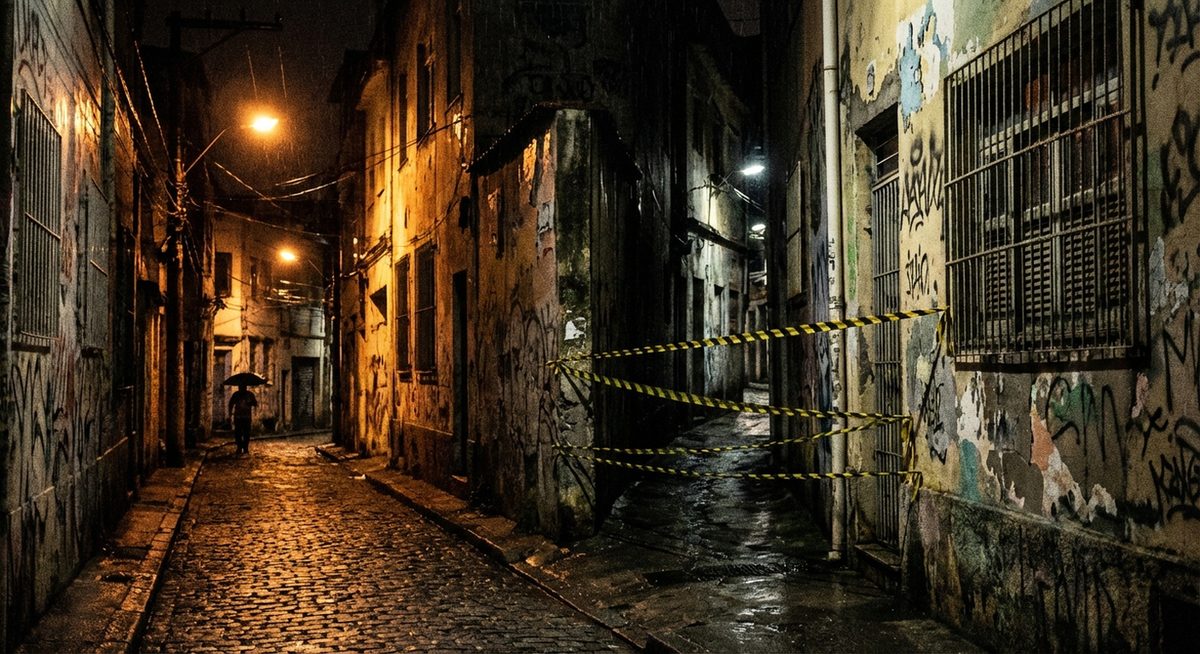
- Abandoned or heavily graffitied buildings: While graffiti alone is not dangerous, extensive vandalism combined with empty buildings indicates a neglected area with reduced police presence.
- Hostile or intensely curious stares: Tourist areas are accustomed to visitors. If every person on the street is staring at you with clear surprise or suspicion, you are in a non-tourist area and stand out as a potential target.
- Absence of formal businesses: If there are no shops, restaurants, pharmacies, or banks, the area likely has limited economic activity and potentially higher crime.
- Taxi drivers refusing to enter: If a taxi driver tells you they will not go to a specific area, take their advice seriously. They know their city.
What to Do If You End Up Somewhere Dangerous
If you realize you are in an unsafe area, here is how to handle it:
- Stay calm and walk with purpose. Looking lost and panicked marks you as an easy target. Walk confidently in the direction of a main road or visible landmark, even if you are uncertain of the route.
- Do not take out your phone. Checking maps on your phone makes you a target for snatchers. If you must check your location, step inside a shop, restaurant, or other business first.
- Head toward commercial activity. Look for tiendas (corner shops), pharmacies, or any business with people inside. Enter one and ask for help or request that they call a taxi for you.
- Use ride-hailing apps from a safe location. Once you are inside a shop or restaurant, order an Uber or InDriver and wait inside until the car arrives.
- If confronted by criminals, do not resist. Hand over your phone, wallet, and watch without argument. Your life is worth more than any possession. Replace everything later and file a police report for insurance purposes.
For comprehensive safety strategies that cover all aspects of a Peru trip, revisit our main Peru safety guide. And for general trip preparation, our guide on 8 things to know before traveling to Peru covers everything from altitude sickness to currency tips.
Illegal Mining Areas in Madre de Dios
The Madre de Dios region in southeastern Peru is home to both world-class biodiversity and a devastating illegal gold mining industry. The mining operations, concentrated along rivers like the Madre de Dios and Inambari, have destroyed vast swaths of rainforest and created lawless camps where exploitation, violence, and mercury poisoning are rampant.
Tourist lodges in Tambopata National Reserve and Manu Biosphere Reserve are completely separate from the mining zones and are safe. However, independent travelers should not attempt to explore mining areas out of curiosity. The camps operate outside the law, the people working there include trafficked laborers, and outsiders asking questions are unwelcome. The environmental contamination means that even the rivers in mining areas are unsafe for swimming or fishing.
Social Unrest and Road Blockades
Peru has a long tradition of social protest, and road blockades (bloqueos) are a common form of political expression. These typically involve local communities blocking major highways with rocks, tires, and sometimes burning debris to pressure the government on issues like mining rights, water access, or political grievances.
While road blockades are usually non-violent toward tourists, being caught in one can leave you stranded for hours or days with no way to continue your journey. The southern Panamericana Highway between Arequipa and Puno, the road between Cusco and Puno, and highways in the Apurimac and Ayacucho regions are particularly prone to blockades.
Monitor local news through reliable sources like RPP Noticias or El Comercio before long overland journeys. During periods of national political unrest (Peru has experienced several in recent years), consider flying between cities rather than taking buses. Your embassy's travel advisory page is another valuable resource.
Frequently Asked Questions
What is the most dangerous city in Peru for tourists?
Lima has the highest absolute number of crimes due to its size, but much of the crime is concentrated in districts tourists have no reason to visit. Trujillo has seen a concerning rise in organized crime. The key is not avoiding entire cities but avoiding specific dangerous neighborhoods within them. Cusco, Arequipa, and the Sacred Valley are significantly safer than Lima or northern coast cities.
Is Callao safe to visit if I want to see the port area?
The La Punta neighborhood and the Real Felipe fortress are the only parts of Callao with tourist interest, and even these should be visited during daytime only. Take a taxi directly to La Punta, explore on foot within that small area, and take a taxi back. Do not walk between neighborhoods in Callao or explore on your own outside La Punta.
Can I safely visit the areas around Ayacucho?
The city of Ayacucho itself is safe and has a fascinating colonial center, excellent Holy Week celebrations, and important historical sites from the independence era. However, some surrounding areas, particularly to the north and east toward the VRAEM, are unsafe. Stick to established tourist routes, consult local tourism offices, and do not venture into rural areas without local guidance.
Are there dangerous animals or environmental hazards I should worry about?
In the Amazon, venomous snakes (fer-de-lance, bushmaster), caimans, and disease-carrying mosquitoes are genuine hazards managed by staying on trails and using reputable guides. In the highlands, the main environmental risk is altitude sickness. On the coast, strong rip currents make some beaches dangerous for swimming. Always follow local guidance on environmental hazards.
What should I do if a taxi driver takes me to an unfamiliar area?
Track your route on your phone's GPS (quietly, without displaying the screen). If the driver deviates significantly from the expected route, calmly ask why. If you feel unsafe, ask to be dropped at the nearest busy intersection or commercial area. This is why ride-hailing apps are recommended: they track the route and the driver knows this.
Is it safe to take overnight buses in Peru?
Reputable bus companies like Cruz del Sur, Oltursa, and CIVA operate safely on major routes. Avoid no-name budget companies, particularly on mountain roads where safety standards may be compromised. Store valuables in your carry-on rather than checked luggage. The biggest risk on night buses is petty theft while passengers sleep.
How do I check if an area is safe before visiting?
Consult your country's travel advisory for Peru, check recent reports on travel forums like TripAdvisor or Lonely Planet's Thorn Tree, ask at your hotel or hostel, and observe local behavior. If locals tell you an area is dangerous, believe them. Google Maps satellite view can also give you a visual sense of an area's development level.
Are protests in Peru dangerous for tourists?
Most protests in Peru are peaceful, but they can escalate quickly. Tear gas and rubber bullets are sometimes used by police. Tourists should never participate in or photograph protests at close range. If you encounter a protest or road blockade, leave the area immediately and seek shelter in a hotel, restaurant, or shop until the situation clears.
Is it safe to camp or sleep outdoors in Peru?
Organized trekking routes like the Inca Trail and Santa Cruz Trek have designated camping areas that are safe. Wild camping in uncontrolled areas, particularly near cities, mining zones, or in the VRAEM region, is dangerous and strongly discouraged. Even in rural highland areas, always camp near established communities with local permission.
What is the safest way to get from Lima airport to my hotel?
Pre-book an airport transfer through your hotel, use the official Green Taxi desk inside the arrivals terminal, or order an Uber or InDriver once you have connected to the airport WiFi. Do not accept solicitations from unofficial taxi drivers outside the terminal. The drive to Miraflores takes 45-90 minutes depending on traffic and costs approximately 50-80 soles by official taxi.