The Complete History and Use of Palo Santo in Peru: Spiritual Meaning, Origins, and Traditional Rituals
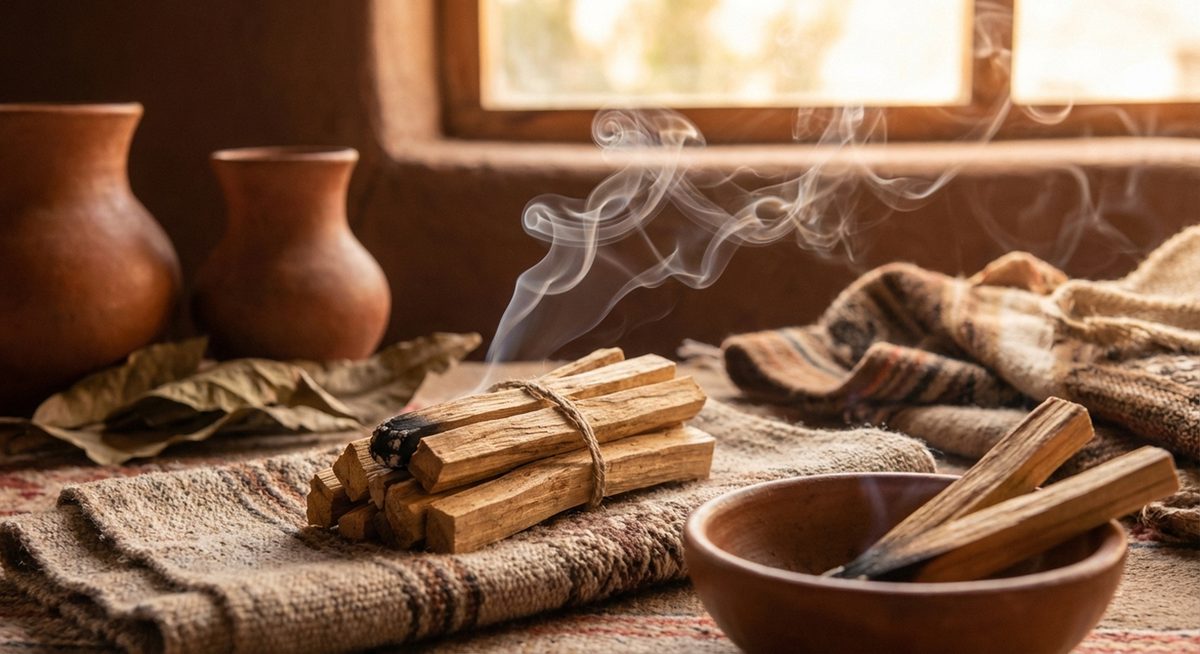
Palo santo, which translates to "holy wood" in English, is one of the most recognizable and culturally significant natural materials to come out of South America. For centuries, indigenous communities across Peru have burned this fragrant wood during spiritual ceremonies, healing rituals, and everyday cleansing practices. The palo santo meaning runs deep in Peruvian culture — far deeper than the trendy wellness products you might find in shops around the world today. Understanding where palo santo comes from and why it has been revered for so long requires a journey through Andean cosmology, Amazonian shamanism, and the dry tropical forests of northern Peru.
What Is Palo Santo and Where Does It Come From?
Palo santo (Bursera graveolens) is a wild tree that grows in the dry tropical forests along the Pacific coast of South America. In Peru, palo santo is found primarily in the Tumbes, Piura, and Lambayeque regions in the country's northwestern corner. The tree also grows in Ecuador, Colombia, Venezuela, and parts of Central America, but Peru and Ecuador are the two countries most closely associated with its traditional use and harvest.
The tree belongs to the same botanical family (Burseraceae) as frankincense and myrrh, which helps explain its intensely aromatic resin. A mature palo santo tree stands between 4 and 10 meters tall, with papery bark and small green leaves that it sheds during the dry season. The wood itself is pale yellow to light brown, dense, and rich in natural oils that produce its characteristic sweet, citrusy, slightly minty fragrance when burned.
One of the most important things to understand about palo santo is that its aromatic properties only develop after the tree dies naturally and the fallen wood cures on the forest floor for several years. Freshly cut palo santo has almost no scent. The essential oils concentrate in the heartwood during a slow decomposition process that typically takes between four and ten years. This natural aging requirement is central to both the spiritual significance of palo santo and the ecological challenges surrounding its harvest.
The Palo Santo Spiritual Meaning in Andean and Amazonian Traditions
The palo santo spiritual meaning varies across different indigenous groups in Peru, but several core themes remain consistent. In Andean cosmology, palo santo smoke is believed to carry prayers and intentions to the spirit world. Shamans and healers known as curanderos use the smoke to purify spaces, objects, and people before and after ceremonies. The act of burning palo santo is called sahumerio, a ritual cleansing practice that predates the arrival of the Spanish by many centuries.
Among the Moche, Chimú, and Inca civilizations that flourished in northern and central Peru, aromatic resins and woods played important roles in religious life. Archaeological evidence from Moche burial sites dating to roughly 100–700 CE includes carbonized plant materials consistent with palo santo and other resinous woods, suggesting that ritual burning was practiced during funerary rites and temple ceremonies.
In the Amazon basin, indigenous groups such as the Shipibo-Conibo incorporate palo santo into ayahuasca ceremony preparations and other plant medicine rituals. The smoke is used to clear what practitioners describe as negative energy or spiritual impurities from the ceremonial space. This concept of energetic cleansing appears across dozens of indigenous traditions throughout Peru and is not limited to any single ethnic group or geographic area.
The spiritual associations of palo santo extend to its life cycle. Because the wood must come from naturally fallen trees and cure for years before it becomes fragrant, many indigenous practitioners view palo santo as a gift from the earth — something that must be received rather than taken. This perspective shapes both the reverence surrounding the material and the traditional rules governing its harvest.
Palo Santo History: From Pre-Columbian Peru to the Present
The palo santo history in Peru stretches back at least two thousand years. While written records from pre-Columbian cultures are limited, Spanish colonial chroniclers documented the use of aromatic woods and resins among indigenous populations they encountered in the 16th century. Fray Bernabé Cobo, writing in the 1650s, described Andean peoples burning fragrant materials during agricultural festivals, healing ceremonies, and rites of passage.
During the colonial period, Catholic missionaries in Peru encountered palo santo use among indigenous communities and responded with mixed reactions. Some missionaries attempted to suppress indigenous spiritual practices, including ritual burning. Others recognized parallels between palo santo smoke and the Catholic use of frankincense and adopted a more tolerant approach, sometimes incorporating palo santo into local church celebrations. This blending of indigenous and Catholic practices is visible in parts of Peru today, where palo santo may appear alongside Christian symbols during festivals and processions.
Throughout the 17th, 18th, and 19th centuries, palo santo remained an important part of folk medicine and spiritual practice in rural Peru, even as urbanization and modernization pushed many traditional customs to the margins. Healers in northern Peru, particularly in the Piura and Lambayeque regions where the tree grows naturally, maintained continuous traditions of palo santo use that have been passed down through generations.
The global popularity of palo santo surged in the early 2000s as interest in natural wellness products, aromatherapy, and spiritual practices grew in North America and Europe. This international demand created both economic opportunities and ecological pressures in Peru, leading to new regulations and sustainability initiatives that continue to evolve.
Traditional Uses of Palo Santo in Peru
The traditional uses of palo santo in Peru fall into several distinct categories, each with deep cultural roots.
Spiritual Cleansing and Protection
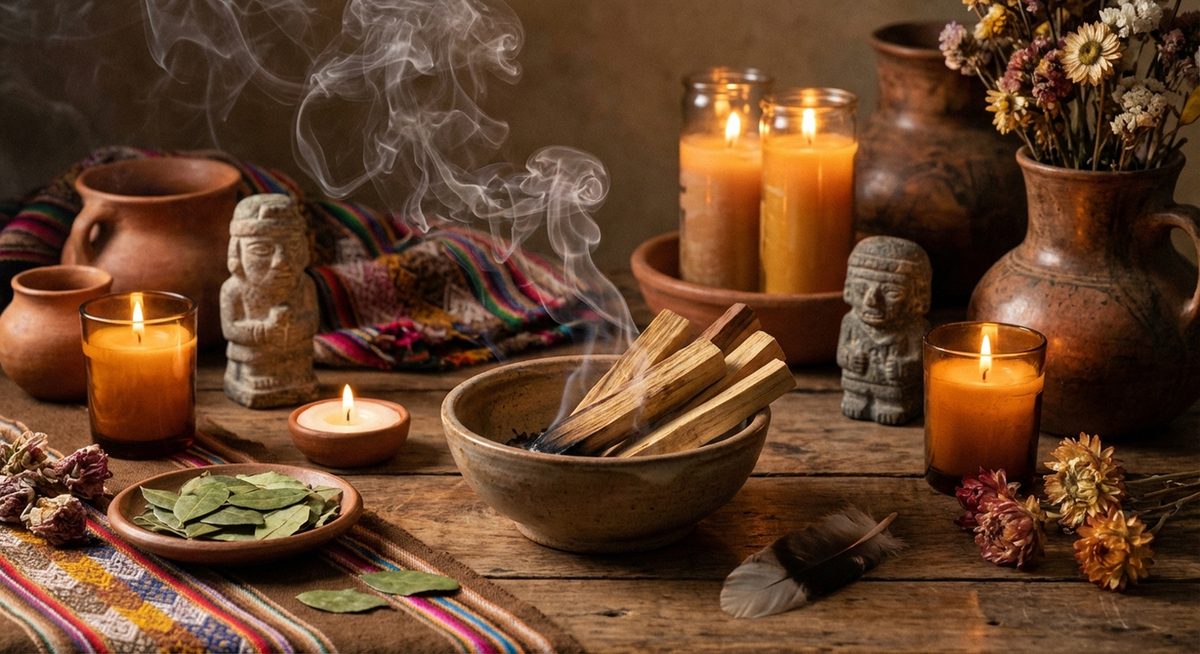
The most widely known use of palo santo is sahumerio — the practice of burning the wood to cleanse spaces, people, and objects of negative energy. In Peruvian households, particularly in the northern regions, it is common to light a stick of palo santo when moving into a new home, after an illness, following a disagreement, or before an important event. The smoke is wafted through rooms, around doorways, and over individuals using a hand or feather fan.
Curanderos use palo santo extensively during mesadas, the complex healing ceremonies practiced in northern Peru. These nighttime rituals, which center on a ceremonial table (mesa) covered with sacred objects, typically begin with the burning of palo santo to prepare the space. The smoke is believed to create a protective barrier and invite benevolent spirits while discouraging harmful ones.
Natural Medicine and Insect Repellent
Beyond its spiritual applications, palo santo has a long history as a practical remedy. Traditional healers in Peru have used palo santo smoke and oil to relieve headaches, reduce cold and flu symptoms, calm anxiety, and ease joint and muscle pain. The essential oil, extracted through steam distillation or cold pressing, contains limonene, a compound with documented anti-inflammatory and insect-repellent properties.
In the dry forests of Tumbes and Piura, farmers and rural communities have burned palo santo for generations to keep mosquitoes and other biting insects at bay. This natural insect repellent use predates modern chemical alternatives by centuries and remains common in areas where the tree grows.
Aromatherapy and Daily Life
Palo santo in English is often described simply as a type of incense, but in Peru the aromatic use is more nuanced than that label suggests. Families burn small pieces of the wood to freshen their homes, calm restless children, or create a contemplative atmosphere during prayer. The scent is described variously as sweet, woody, citrusy, and slightly minty — a complex fragrance profile that distinguishes it from other incense materials.
Palo santo essential oil is also used in Peruvian baños de florecimiento (flower baths), a ritual cleansing practice in which a person is bathed in water infused with flowers, herbs, and aromatic oils. These baths are prescribed by curanderos for patients seeking to improve their luck, emotional state, or spiritual well-being.
Where Does Palo Santo Grow in Peru?
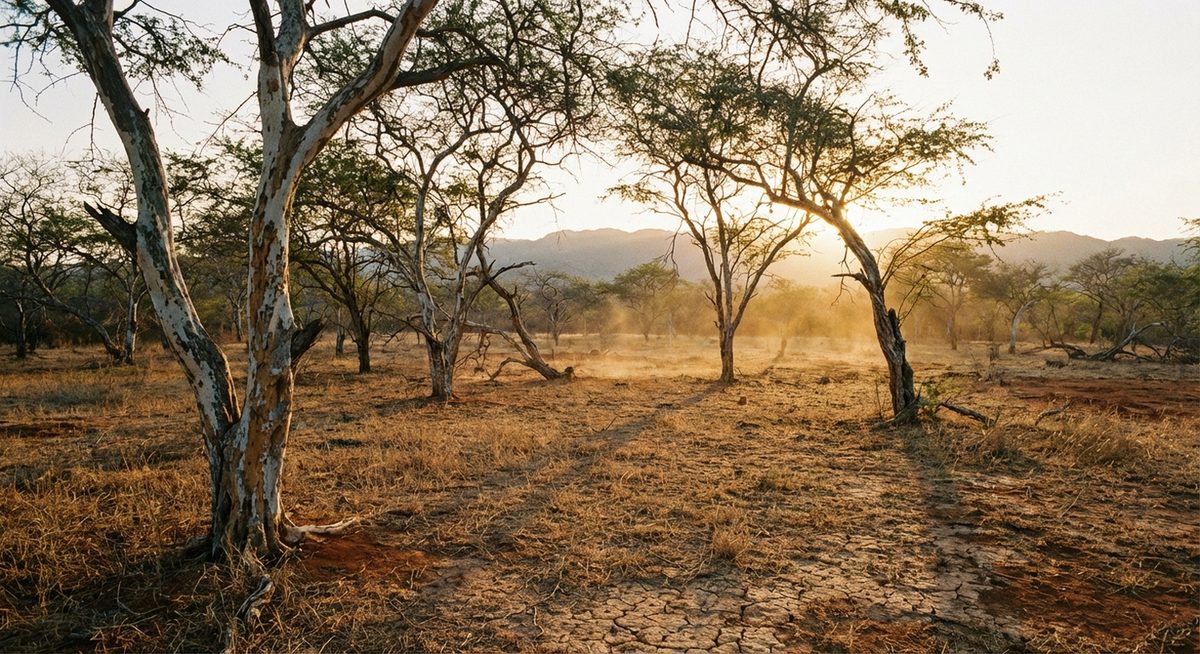
Understanding where palo santo comes from within Peru requires knowledge of the country's diverse ecosystems. The Bursera graveolens tree thrives in the dry tropical forests (bosques secos) that stretch along Peru's far northwestern coast. These forests, which receive limited rainfall and experience long dry seasons, provide the specific conditions the tree needs.
The Tumbes region, bordering Ecuador, contains some of the most significant palo santo populations in Peru. The Cerros de Amotape National Park and the adjacent Tumbes National Reserve protect large tracts of dry forest where palo santo grows alongside other endemic species. The Piura region, particularly the provinces of Sullana and Ayabaca, is another major source area. In Lambayeque, the Bosque de Pómac Historical Sanctuary and surrounding dry forest areas also support palo santo populations.
These dry forests are globally significant ecosystems. The Tumbesian dry forests, shared between Peru and Ecuador, are recognized as a biodiversity hotspot by Conservation International. They support hundreds of endemic plant and animal species, many of which are found nowhere else on Earth. The health of palo santo populations is closely tied to the overall condition of these forests.
Sustainability and Ethical Harvesting of Palo Santo
The surge in global demand for palo santo has raised legitimate concerns about sustainability. In Peru, the government has implemented regulations requiring that only naturally fallen palo santo wood be collected — cutting live trees for commercial purposes is prohibited. The Peruvian forestry authority (SERFOR) oversees permits and export documentation for palo santo products.
However, enforcement remains challenging in remote forest areas. Reports of illegal harvesting, where live trees are cut and dried artificially to meet demand, have surfaced periodically. This practice produces inferior products with weaker fragrance and undermines the ecological balance of dry forest ecosystems.
Several community-based initiatives in Tumbes and Piura have developed sustainable harvesting models that combine traditional knowledge with modern forestry practices. These programs train local collectors to identify properly aged deadfall, replant seedlings, and monitor forest health. Some organizations have achieved organic and fair-trade certifications, providing a premium market for ethically sourced palo santo while supporting rural livelihoods.
The International Union for Conservation of Nature (IUCN) does not currently classify Bursera graveolens as endangered, but local populations can be vulnerable to overharvesting and habitat loss from agriculture and development. Consumers interested in purchasing palo santo are encouraged to seek products from certified sustainable sources, preferably those that can trace the wood back to specific Peruvian communities or cooperatives.
Palo Santo in Modern Peruvian Culture
In contemporary Peru, palo santo bridges the gap between ancestral traditions and modern daily life. You will find bundles of palo santo sticks in markets throughout the country, from the mercado de brujas (witches' market) in Lima's Chinatown neighborhood to small herbal stalls in highland towns. Street vendors in cities like Piura, Chiclayo, and Trujillo sell palo santo alongside other aromatic herbs and ritual supplies.
Peruvian artisans have also developed new products from palo santo, including carved figurines, essential oil blends, soap, and candles. The city of Catacaos in Piura, famous for its artisan traditions, has become a center for high-quality palo santo crafts. These products are sold domestically and exported to international markets.
The relationship between Peru and palo santo remains complex. While many Peruvians take pride in the wood's growing international recognition, there is also concern about cultural appropriation and the commodification of sacred practices. Indigenous leaders and cultural advocates have called for greater respect for the spiritual origins of palo santo use and for ensuring that indigenous communities benefit economically from the global trade in their traditional materials.
For travelers visiting Peru, encountering palo santo is almost inevitable. Whether you smell its distinctive smoke wafting from a shop doorway in Cusco, see it offered at a traditional healing ceremony, or find sticks bundled for sale at a local market, palo santo is woven into the sensory landscape of the country. Learning about the mysterious legends and folklore of Peru, including the role of sacred plants and materials, provides deeper context for what might otherwise seem like a simple souvenir.
How Palo Santo Compares to Other Sacred Woods and Resins
Palo santo is often compared to sage, frankincense, and copal — other aromatic materials used in spiritual cleansing traditions around the world. While white sage is the cleansing herb most associated with North American indigenous traditions, palo santo fills an analogous role in South American practice. The key difference lies in their botanical origins, cultural contexts, and the specific properties attributed to each.
Frankincense, palo santo's botanical cousin, has been used in Middle Eastern and African spiritual traditions for thousands of years. Both produce aromatic smoke rich in terpenes, and both carry associations with prayer, purification, and connection to the divine. Copal, another tree resin used extensively in Mesoamerican cultures, shares similar ritual functions.
What sets palo santo apart is the requirement that the wood must age naturally after the tree dies. This extended curing period — unique among commonly burned aromatic materials — gives palo santo its distinctive fragrance and reinforces its spiritual symbolism as something that transforms through patience and natural processes.
Visiting Palo Santo Forests in Peru
Travelers interested in seeing palo santo in its natural habitat can visit the dry forests of northern Peru. The Cerros de Amotape National Park in Tumbes offers hiking trails through forests where palo santo trees grow alongside algarrobo, sapote, and other dry forest species. Guided tours are available through local operators who can explain the ecology and cultural significance of the forest.
In Piura, the community of Sapillica has developed ecotourism programs centered on sustainable palo santo harvesting. Visitors can observe the collection process, learn about traditional uses from local experts, and purchase directly from community cooperatives. These visits provide economic support for conservation efforts while offering an authentic cultural experience.
The Bosque de Pómac Historical Sanctuary in Lambayeque combines dry forest ecology with archaeological sites from the Sicán civilization, making it possible to see palo santo trees and learn about the ancient cultures that used them within a single visit. This is one of the most rewarding experiences for travelers wanting to understand the full historical and ecological context of palo santo in Peru. If you are planning a broader trip, our guide to paranormal and mysterious sites across Peru covers other culturally significant locations worth exploring.
Frequently Asked Questions
What does palo santo mean in English?
Palo santo translates directly to "holy wood" or "sacred wood" in English. The name reflects the deep spiritual significance this aromatic wood holds in South American indigenous cultures, where it has been used for centuries in purification rituals, healing ceremonies, and prayer.
Where does palo santo come from originally?
Palo santo comes from the dry tropical forests of South America, primarily in Peru and Ecuador. In Peru, the tree (Bursera graveolens) grows naturally in the northwestern regions of Tumbes, Piura, and Lambayeque. The tree also occurs in Colombia, Venezuela, Costa Rica, and several other countries, but Peru and Ecuador are the primary sources for traditional and commercial use.
What is the spiritual meaning of palo santo?
The palo santo spiritual meaning centers on purification, protection, and connection to the spirit world. Indigenous Andean and Amazonian traditions hold that burning palo santo drives away negative energy, invites benevolent spirits, and creates a sacred atmosphere for prayer and healing. The fact that the wood must come from naturally fallen trees and age for years before it becomes aromatic adds to its spiritual symbolism of transformation and patience.
Is palo santo endangered or illegal to harvest?
Palo santo (Bursera graveolens) is not currently classified as endangered by the IUCN. However, Peruvian law prohibits cutting live palo santo trees — only naturally fallen and aged wood may be collected. SERFOR, Peru's forestry authority, regulates permits and export documentation. Local populations can face pressure from overharvesting, making sustainable sourcing important for conservation.
Why does palo santo have to be from dead trees?
Palo santo develops its characteristic sweet, citrusy fragrance only after the tree dies naturally and the wood cures on the forest floor for four to ten years. During this slow decomposition, essential oils concentrate in the heartwood. Freshly cut palo santo has virtually no scent and lacks the aromatic compounds that make the wood valuable for spiritual and therapeutic use.
How do you burn palo santo properly?
Hold one end of a palo santo stick at a 45-degree angle and light it with a match or candle. Let the flame burn for 30 seconds to a minute, then blow it out so the stick smolders and produces fragrant smoke. Walk through the space you want to cleanse, allowing the smoke to drift into corners and through doorways. Place the stick in a fireproof dish when finished — it will extinguish on its own.
What does palo santo smell like?
Palo santo has a complex, layered scent that is often described as sweet, woody, and citrusy with subtle hints of mint and pine. The aroma is warm and resinous, lighter and more refined than many other types of incense. The specific fragrance profile varies depending on the age of the wood and the individual tree, with older, well-cured pieces generally producing richer, more nuanced smoke.
Can you buy authentic palo santo in Peru?
Yes, authentic palo santo is widely available throughout Peru. You can purchase sticks, essential oil, and carved products in markets in Lima, Cusco, Piura, Chiclayo, and most tourist-oriented towns. For the highest quality and most ethically sourced palo santo, look for products from community cooperatives in Tumbes or Piura, or buy from vendors who can explain the origin of their wood.
Is palo santo the same as white sage?
No, palo santo and white sage are different plants with distinct origins and cultural contexts. Palo santo is a tree (Bursera graveolens) from South American dry forests, used in Andean and Amazonian spiritual traditions. White sage (Salvia apiana) is an herb native to the southwestern United States and northwestern Mexico, used in North American indigenous practices. Both are burned for spiritual cleansing, but they come from completely different cultural and botanical traditions.
What are the health benefits of palo santo?
Traditional Peruvian medicine attributes several health benefits to palo santo, including headache relief, reduced cold and flu symptoms, stress reduction, and anti-inflammatory effects. The essential oil is rich in limonene, a terpene with documented anti-inflammatory and antimicrobial properties. Palo santo smoke has also been used as a natural insect repellent for generations in northern Peru. However, these traditional uses have not been extensively studied in clinical trials.
How long has palo santo been used in Peru?
Palo santo has been used in Peru for at least two thousand years. Archaeological evidence from Moche civilization burial sites (100–700 CE) includes carbonized plant materials consistent with palo santo and other aromatic woods. Spanish colonial chroniclers documented its use among indigenous populations in the 16th and 17th centuries, and continuous traditions of palo santo use persist in northern Peru today.
Where can I see palo santo trees growing in Peru?
Palo santo trees grow in the dry tropical forests of northwestern Peru. The best places to see them include Cerros de Amotape National Park in Tumbes, the Bosque de Pómac Historical Sanctuary in Lambayeque, and community forests around Sapillica in Piura. Some of these areas offer guided ecotourism tours where you can learn about the tree's ecology and traditional harvesting methods from local experts.