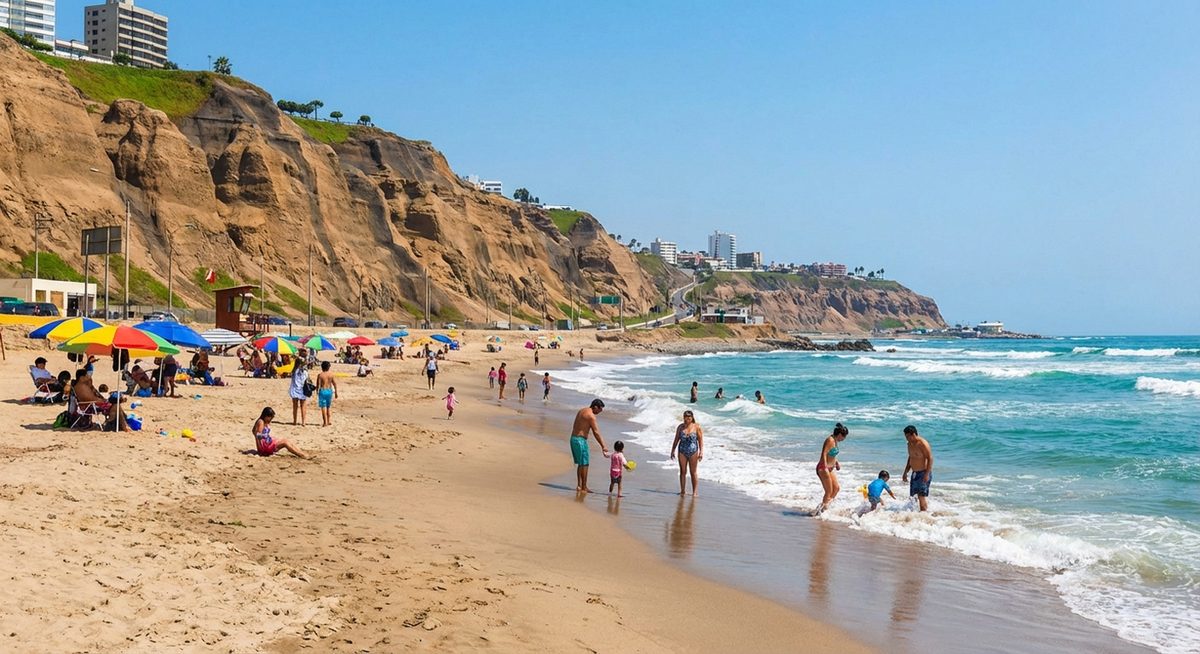
Healthy Beaches in Lima Peru: A Complete List of the Safest and Cleanest Beaches for Swimming
Lima is a city of ten million people sitting directly on the Pacific coast, and yet finding a clean, safe beach for swimming is not as straightforward as you might expect. Water quality varies dramatically from one beach to the next, influenced by sewage outflows, river runoff, industrial discharge, and ocean currents. Every summer, Peru's health authority DIGESA publishes an official list classifying beaches as "saludable" (healthy) or "no saludable" (unhealthy). Understanding this list is essential for anyone who wants to enjoy Lima's coastline without risking their health.
This guide breaks down everything you need to know about Lima's healthy beaches: which ones pass water quality tests, which ones to avoid, what the ratings actually measure, and practical advice for planning a safe beach day in the Peruvian capital.
What Makes a Beach "Healthy" in Peru?
The classification of beaches in Peru as healthy or unhealthy is handled by DIGESA (Dirección General de Salud Ambiental), a division of the Ministry of Health. Each summer season, DIGESA collects water samples from beaches across the country and tests them for coliform bacteria, heavy metals, pH levels, and other contaminants. Beaches that meet established safety thresholds receive the "saludable" designation; those that fail are labelled "no saludable."
The primary concern is faecal coliform bacteria, specifically E. coli. Levels above 200 colony-forming units per 100 millilitres of water result in an automatic "unhealthy" classification. Other factors include the presence of solid waste on the sand, the proximity of sewage outfalls, and the availability of basic sanitation facilities (toilets, waste bins, showers).
It is important to understand that these classifications can change from year to year and even within a single season. A beach that was healthy last January may fail a test in February due to a sewage spill or heavy rainfall washing contaminants into the ocean. The most reliable approach is to check the current season's DIGESA report before heading to any beach. The reports are published on the DIGESA website and are also covered by major Peruvian news outlets each summer.
Lima's Best Healthy Beaches for Swimming
The following beaches have consistently ranked among Lima's healthiest over recent seasons. While you should always verify the current year's ratings, these are your safest bets for clean swimming water.
Agua Dulce (Chorrillos)
Agua Dulce is Lima's most popular beach, and for good reason. Located in the Chorrillos district at the southern end of the Costa Verde, it is easily accessible by public transport and has the best facilities of any city beach. The sand is wide and relatively clean, lifeguards are present during peak hours, and food vendors offer everything from ceviche to ice cream. Water quality at Agua Dulce has been consistently rated as healthy in recent seasons, though the beach can get extremely crowded on summer weekends, with tens of thousands of visitors on a single day. If you prefer some space, arrive early on a weekday morning.
Sombrillas (Chorrillos)
Adjacent to Agua Dulce, Sombrillas is a slightly quieter alternative that shares similar water quality. The beach gets its name from the umbrellas (sombrillas) that line the sand during summer. It attracts a slightly older crowd and families looking for a less frenetic atmosphere. Facilities include restrooms and nearby parking. The water is calm and suitable for children.
Las Cascadas (Chorrillos)
Another Chorrillos beach, Las Cascadas sits just south of Agua Dulce and Sombrillas. It is smaller and rockier in places but benefits from cleaner water due to its position relative to ocean currents. The cascading rock formations that give the beach its name create natural pools at low tide, which are popular with families. Access is via a path from the Costa Verde road.
El Silencio (Punta Hermosa)
Moving south of the city proper, El Silencio is widely regarded as one of the most beautiful beaches near Lima. Located in the district of Punta Hermosa, about 40 kilometres south of central Lima, it sits in a sheltered cove with calm, clear water. The setting is more dramatic than the city beaches, with rocky headlands framing the bay. El Silencio consistently earns healthy ratings and is less crowded than the Chorrillos beaches, though it requires a car or bus to reach. It is an excellent choice if you have a full day and want a more natural beach experience.
Punta Hermosa
The main beach at Punta Hermosa is popular with surfers for its consistent waves, but the sections closer to shore are safe for swimming during calmer periods. Water quality is generally good, and the town has a laid-back atmosphere with several restaurants and bars along the beachfront. Punta Hermosa is a favourite weekend getaway for Limeños who want to escape the city without travelling too far.
Punta Rocas
Famous internationally as a surfing destination (it has hosted World Surf League events), Punta Rocas also offers a small, clean beach suitable for swimming. The water here is among the cleanest near Lima, benefiting from strong ocean currents that flush the coastline. The beach is small and can get busy, but the water quality is excellent. It is about 45 minutes south of central Lima.
San Bartolo
San Bartolo is a beach town about 50 kilometres south of Lima that has long been a summer destination for middle-class Limeño families. The main beach is wide, the water is clean, and the town has a good selection of restaurants serving fresh seafood. San Bartolo also has a pleasant boardwalk and a relaxed atmosphere. Water quality ratings have been consistently healthy, making it one of the most reliable choices for a beach day trip from Lima.
Santa María del Mar
Further south still, Santa María del Mar is an exclusive beach club community, but the public beach areas have clean water and well-maintained facilities. The beach is sheltered, the water is calm, and the setting is attractive. Access can be limited during peak season as the municipality controls entry to prevent overcrowding, so plan accordingly. Water quality is consistently rated among the best near Lima.
Embajadores (Chorrillos)
A smaller beach near the Chorrillos fishing port, Embajadores is less well-known than Agua Dulce but has earned healthy ratings in recent seasons. It is a good option if you want to combine a beach visit with a walk through the Chorrillos market or a meal at one of the cevicherías near the port. The beach itself is compact, so it fills up quickly on weekends.
Beaches to Avoid in Lima
Not all of Lima's beaches are safe for swimming. Several consistently fail DIGESA's water quality tests and should be avoided for any water contact activities. The most notable unhealthy beaches include:
La Herradura (Chorrillos): Once one of Lima's most glamorous beaches, La Herradura has suffered from decades of sewage contamination and poor water circulation in its enclosed bay. Despite occasional cleanup efforts, it regularly fails water quality tests. Swimming here is strongly discouraged.
Costa Verde beaches near Miraflores and San Isidro: The beaches directly below the Miraflores and San Isidro cliffs are visually dramatic but frequently test above safe coliform levels. Makaha, Redondo, and Waikiki in Miraflores are popular with surfers and paragliders but are not recommended for swimming due to proximity to sewage outflows. If you visit these areas, enjoy the scenery and the cliff-top parks, but keep out of the water.
Ventanilla and beaches north of Callao: The northern Lima coast, particularly around the port of Callao and the district of Ventanilla, is the most contaminated section. Industrial discharge, sewage, and river runoff from the Rímac and Chillón rivers make these waters unsafe. There are no healthy-rated beaches in this zone.
Chucuito (Callao): Close to the port and affected by the same contamination issues as the broader Callao area. Not suitable for swimming.
Best Time to Visit Lima's Beaches
Lima's beach season runs from December through April, with January and February being the peak months. During this period, temperatures reach 25 to 30 degrees Celsius, the sun shines strongly (sunscreen is essential), and the ocean water warms to a tolerable 19 to 22 degrees.
Outside of these months, Lima is famously grey. The garúa, a persistent fog and drizzle, blankets the city from May through November, keeping temperatures around 14 to 18 degrees. The beaches are virtually empty during winter, and even on sunny winter days, the water temperature drops to around 15 degrees, making swimming uncomfortable for most people.
If you are visiting Lima during the dry season and want beach time, the southern beaches (Punta Hermosa, San Bartolo, Santa María) tend to get slightly more sun breaks than the city beaches. Alternatively, consider a trip to Ilo in southern Peru, where the climate is drier and sunnier year-round.
Getting to Lima's Beaches from the City Centre
Reaching the Chorrillos beaches (Agua Dulce, Sombrillas, Las Cascadas, Embajadores) is straightforward. The Metropolitano bus rapid transit system runs to the Estación Matellini in Chorrillos, from which it is a short walk or taxi ride to the beach. During summer, the municipality often runs shuttle services directly to Agua Dulce.
For the southern beaches (Punta Hermosa, Punta Rocas, San Bartolo, Santa María), you will need to take a bus from Lima's south terminal or drive. The Panamericana Sur highway provides fast access, and the journey takes 45 minutes to an hour depending on traffic. Several bus companies run routes to these towns, with tickets costing just a few soles. On peak summer weekends, traffic heading south can be heavy, so an early departure is recommended.
Ride-sharing apps (Uber, InDriver, DiDi) also operate in Lima and can take you to any of these beaches, though return rides from the more remote southern beaches may be harder to arrange. If you are planning a full day at Punta Hermosa or beyond, consider arranging your return transport in advance.
Safety Tips for a Beach Day in Lima
Beyond water quality, there are several practical safety considerations for beach visits in Lima. The Pacific Ocean along Peru's coast has strong currents and can be unpredictable. Rip currents are a genuine hazard, particularly at beaches with steep drops or rocky headlands. Always swim where lifeguards are present, and pay attention to flag warnings (red flag means no swimming).
The sun at Lima's latitude (12 degrees south) is intense, especially from 10 AM to 3 PM. Sunburn can happen quickly even on slightly overcast days. Wear SPF 50+ sunscreen, reapply after swimming, and bring a hat and cover-up for breaks from the water.
Petty theft on Lima's beaches is not uncommon, particularly at the most crowded spots like Agua Dulce. Do not leave valuables unattended on the sand. Many beachgoers bring a waterproof pouch for their phone and money so they can keep essentials with them in the water. If travelling in a group, take turns watching belongings.
Jellyfish are occasionally present along the Lima coast, particularly during warmer months. Stings are usually mild but uncomfortable. If stung, rinse with seawater (not fresh water) and seek first aid if the reaction is severe.
Beach Facilities and What to Bring
Facilities vary widely between Lima's beaches. Agua Dulce has the most comprehensive infrastructure: restrooms, showers, changing areas, lifeguard stations, and dozens of food vendors. The southern town beaches (San Bartolo, Punta Hermosa) have restaurants and basic facilities but fewer organised services on the sand itself. The smaller cove beaches (El Silencio, Las Cascadas) have minimal facilities, so bring everything you need.
A recommended packing list for a Lima beach day includes: reef-safe sunscreen, a beach towel or mat, plenty of water, snacks (if heading to a beach without vendors), a hat, sunglasses, a reusable bag for trash, cash for food vendors, and a waterproof phone case. If you plan to snorkel, bring your own gear as rental options are limited at most beaches.
Combining a Beach Trip with Lima's Cultural Attractions
A beach day pairs well with Lima's other attractions. After a morning at Agua Dulce, you could walk along the Chorrillos malecón, visit the Pantanos de Villa wetland reserve (a surprising oasis of birdlife in the middle of the city), or take a taxi to Barranco for its bohemian street art and cafés. If you are interested in Lima's cultural side, do not miss the must-see museums in Lima, several of which are within easy reach of the coastal districts.
For travellers with more time, Lima's beaches can be part of a broader coastal itinerary that includes the southern beach towns for surfing and relaxation, the Paracas peninsula for wildlife, and the Nazca Lines for archaeology. Our guide to Peru's top destinations helps with planning a multi-stop trip, and the list of top things to do in Peru covers activities beyond the beach.
Water Quality Trends and Environmental Efforts
Lima's beach water quality has been a subject of increasing public concern and government attention. The construction of the La Taboada wastewater treatment plant, which began processing sewage from much of northern Lima in 2013, has improved conditions at some beaches, though the benefits have been uneven. Several other treatment projects are underway or planned, and environmental advocacy groups continue to push for stricter enforcement of discharge regulations.
The trend over the past decade has been cautiously positive. The number of beaches classified as healthy has gradually increased, and public awareness of the issue has grown significantly. However, problems remain, particularly around the Callao port area and wherever informal settlements lack proper sanitation infrastructure. Climate patterns also play a role: El Niño events can bring warmer water and altered currents that temporarily worsen conditions at some beaches.
As a visitor, the most useful thing you can do is support beaches that maintain healthy standards (by visiting them and spending money at local businesses), carry out your own trash, and avoid contributing to the plastic waste that plagues many Peruvian beaches. Every piece of rubbish you take with you makes a small but real difference.
Frequently Asked Questions About Lima's Beaches
Which is the cleanest beach in Lima?
El Silencio in Punta Hermosa is widely considered the cleanest beach near Lima. Its sheltered cove, distance from the city's sewage outfalls, and strong ocean currents contribute to consistently high water quality ratings. Among the city beaches, Agua Dulce in Chorrillos has also maintained healthy ratings in recent seasons despite its heavy visitor traffic.
Can you swim at Miraflores beach?
Swimming at the beaches directly below Miraflores (such as Makaha, Redondo, and Waikiki) is generally not recommended due to water quality concerns. These beaches frequently test above safe coliform bacteria levels. They are popular for surfing and paragliding, but for swimming, head south to the Chorrillos beaches or the Punta Hermosa area instead.
How do I check if a Lima beach is healthy this season?
DIGESA publishes an updated list of healthy and unhealthy beaches at the start of each summer season (usually in December). The list is available on the DIGESA website and is widely reported by Peruvian media outlets like El Comercio, RPP, and La República. Search for "playas saludables Lima" plus the current year for the most recent information. Note that classifications can change within a single season.
Are Lima's beaches safe from crime?
Petty theft is the main concern at Lima's busier beaches, especially Agua Dulce during peak weekends. Do not leave valuables unattended on the sand, and consider using a waterproof pouch for your phone and money. The southern town beaches (San Bartolo, Punta Hermosa, Santa María del Mar) tend to be safer due to lower crowds and more controlled access. Violent crime at beaches is rare but use standard city safety precautions.
What is the water temperature at Lima beaches?
During summer (December through April), water temperatures range from about 19 to 22 degrees Celsius. This is cool compared to tropical destinations but comfortable enough for swimming, especially during the hottest part of the day. In winter (May through November), temperatures drop to around 15 degrees, making swimming uncomfortable for most people without a wetsuit.
Can I surf at Lima's healthy beaches?
Several of Lima's healthy-rated beaches also have surfable waves. Punta Hermosa and Punta Rocas are among Peru's most famous surf spots. San Bartolo also offers decent breaks for intermediate surfers. At the city beaches like Agua Dulce, the waves are generally too small for surfing but fine for bodyboarding. Surf schools operate at Punta Hermosa and can provide equipment and lessons.
Are there family-friendly beaches with calm water near Lima?
El Silencio in Punta Hermosa is one of the best family-friendly options, with a sheltered cove that produces calm, shallow water ideal for children. Agua Dulce in Chorrillos also has a gentle slope and manageable waves during most of the summer season. Santa María del Mar offers controlled access and calm conditions. For very young children, look for beaches with natural rock pools at low tide, such as Las Cascadas in Chorrillos.
How far are Lima's best beaches from the airport?
Jorge Chávez International Airport is in Callao, on Lima's northern coast. The Chorrillos beaches (Agua Dulce, Sombrillas) are about 25 to 35 kilometers south, roughly a 45 to 60 minute drive depending on traffic. The southern beaches like Punta Hermosa and San Bartolo are 55 to 70 kilometers from the airport, taking about 60 to 90 minutes by car. If you have a long layover, the Chorrillos beaches are the most accessible option from the airport.