The Best Museums in Lima You Have Got to See: A Complete Guide to Art, History, and Culture
Lima is not just the gastronomic capital of South America. It is also one of the most culturally rich cities on the continent, home to world-class museums that span thousands of years of Peruvian civilization. From pre-Columbian gold artifacts and ancient Moche ceramics to contemporary art installations and sobering memorials, the museums in Lima offer a deep, immersive look at everything that makes Peru extraordinary.
Whether you are spending a few days in Lima before heading to Peru's top destinations or dedicating an entire week to the capital, you will find that the city's museum scene deserves far more attention than most travelers give it. Many visitors treat Lima as a layover city, rushing through Miraflores before catching a flight to Cusco. That is a mistake. The museums here rival anything you will find in Mexico City, Buenos Aires, or Bogotá, and several of them are truly world-class institutions.
In this guide, we cover the eight best museums in Lima that you absolutely must visit, with practical tips on tickets, hours, locations, and what makes each one worth your time.
1. Museo Larco: Peru's Most Celebrated Pre-Columbian Collection
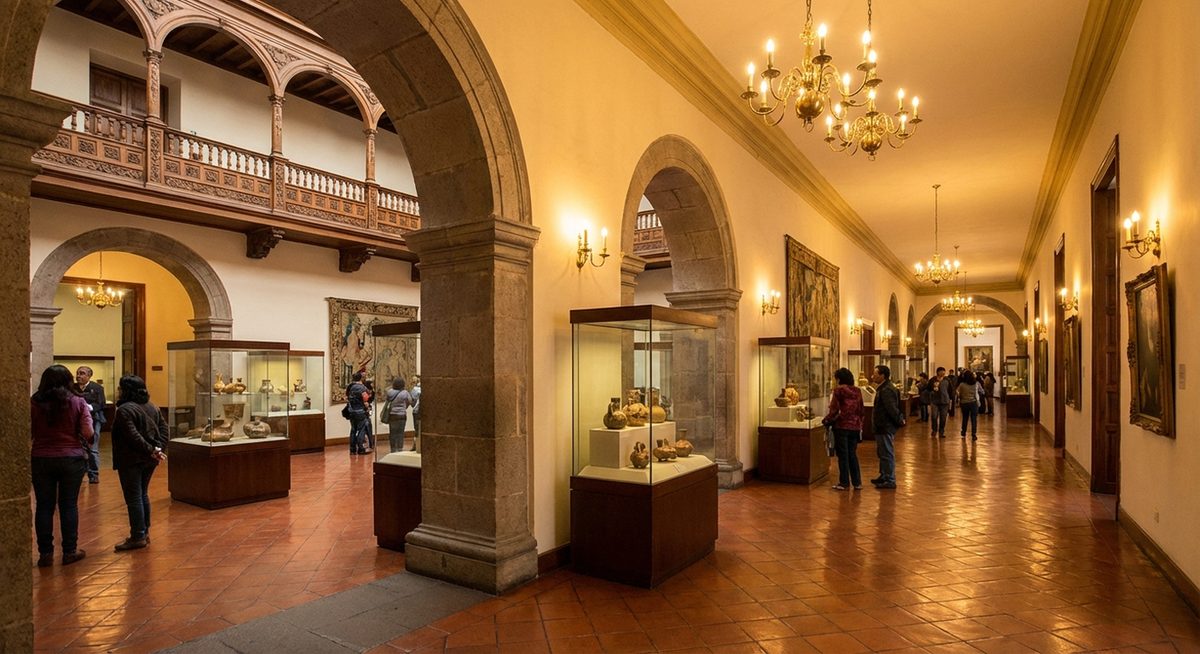
If you only visit one museum in Lima, make it Museo Larco. Housed in an 18th-century vice-royal mansion built on top of a 7th-century pre-Columbian pyramid in the Pueblo Libre district, this privately owned museum holds one of the most comprehensive collections of pre-Columbian art in the world. Rafael Larco Hoyle founded it in 1926, and his vision was to create a museum that would make ancient Peruvian cultures accessible and understandable to everyone.
The permanent collection spans over 4,000 years of Peruvian history, featuring more than 45,000 artifacts. The ceramics gallery is extraordinary, with perfectly preserved Moche portrait vessels that capture individual faces with astonishing realism. These are not abstract representations. They are genuine portraits of real people who lived over 1,500 years ago, complete with facial expressions, headdresses, and evidence of diseases.
The gold and silver gallery is equally impressive. Intricate ceremonial pieces, elaborate headdresses, and delicate jewelry demonstrate the incredible metalworking skills of ancient Peruvian artisans. The famous erotic pottery gallery, tucked in a separate wing, contains Moche ceramics depicting sexual acts that scholars believe served ritualistic and educational purposes.
What makes Larco special is its open storage area, where you can see thousands of additional ceramics arranged on floor-to-ceiling shelves. This is the only museum in Latin America that offers visitors access to its research-quality storage. The beautiful garden restaurant is also a highlight, serving Peruvian fusion dishes surrounded by bougainvillea and ancient walls.
Location: Av. Simón Bolívar 1515, Pueblo Libre. Tip: Visit in the late afternoon so you can enjoy the garden at sunset and then have dinner at the on-site restaurant. General admission is around 35 soles for adults, with discounts for students and seniors.
2. MALI — Museo de Arte de Lima: Four Thousand Years in One Building
The Museo de Arte de Lima, universally known as MALI, sits in the Parque de la Exposición, a green oasis in the middle of central Lima. The building itself is a stunning example of Beaux-Arts architecture, originally constructed in 1872 as the Palace of the Exhibition for Lima's international fair. It is one of the most important cultural institutions in the country.
MALI's permanent collection traces Peruvian art from pre-Columbian textiles and ceramics through colonial religious paintings, republican-era portraiture, and into the contemporary era. The textile collection is particularly remarkable, featuring Paracas mantles with colors so vivid they look as though they were woven last year rather than over 2,000 years ago. The colonial art wing contains masterful works from the Cusco School, where indigenous artists blended European techniques with Andean symbolism.
The museum regularly hosts major temporary exhibitions featuring both Peruvian and international artists. The contemporary wing showcases works by leading Peruvian artists like Fernando de Szyszlo, Tilsa Tsuchiya, and Jorge Eduardo Eielson. MALI also has an excellent cinema program and hosts lectures, workshops, and cultural events throughout the year.
Location: Parque de la Exposición, Paseo Colón 125, Cercado de Lima. Tip: Combine your visit with a stroll through the surrounding park, which features fountains, gardens, and the Museo Metropolitano nearby. Adult tickets cost around 30 soles.
3. Museo de la Nación: Understanding Peru's Full Timeline
The Museo de la Nación is Peru's national museum, housed in an imposing brutalist building in the San Borja district. While the building's exterior might not win any beauty contests, the collections inside provide the most comprehensive overview of Peruvian civilizations available anywhere. If you want to understand the full sweep of Peru's history before visiting archaeological sites elsewhere in the country, start here.
The permanent exhibition walks you through every major Peruvian culture in chronological order: Chavín, Paracas, Nazca, Moche, Wari, Chimú, and Inca. Scale models of sites like Chan Chan, Kuélap, and Machu Picchu help you visualize what you will encounter when you visit them in person. The reproductions of Moche murals and Nazca ceramics are particularly well-executed, and explanatory panels provide clear context for each period.
One of the most important permanent exhibitions is "Yuyanapaq: Para Recordar" (To Remember), a deeply moving photographic exhibition documenting Peru's internal conflict from 1980 to 2000. The images, collected by the Truth and Reconciliation Commission, are difficult to view but essential for understanding modern Peru. This exhibition alone makes the museum a must-visit.
Location: Av. Javier Prado Este 2465, San Borja. Tip: Admission is free. Allow at least two to three hours, and be prepared for the emotional weight of the Yuyanapaq exhibition. The museum is easily reached by the Lima Metro.
4. Huaca Pucllana: A Living Archaeological Site in Miraflores
Huaca Pucllana is unlike any other museum in Lima because it is not really a museum at all, at least not in the traditional sense. It is an active archaeological site, a massive adobe and clay pyramid built by the Lima culture between 200 and 700 AD, sitting right in the middle of the modern Miraflores district. Walking through its excavated platforms and plazas while apartment buildings tower in the background is a surreal and unforgettable experience.
The site covers roughly six hectares and includes a large ceremonial pyramid, administrative areas, plazas, and a small on-site museum displaying artifacts found during excavations. Guided tours, available in Spanish and English, explain how the Lima people constructed the pyramid using a distinctive technique of placing adobe bricks vertically, like books on a shelf, which made the structure remarkably resistant to earthquakes.
Archaeologists have uncovered evidence of elaborate ritual offerings, including ceramics, textiles, and human sacrifices associated with the later Wari culture that conquered the Lima people around 700 AD. The site is still being excavated, so what you see today may differ from what future visitors encounter. Evening visits are particularly atmospheric, as the pyramid is dramatically illuminated against the night sky.
If you are looking for more outdoor activities in the capital, check out our guide to the best beaches in Lima for a different side of the city.
Location: General Borgoño block 8, Miraflores. Tip: Book a night tour for the most dramatic experience. The on-site restaurant, one of Lima's finest, is excellent for dinner afterward. Admission is approximately 15 soles.
5. Museo de Arte Contemporáneo (MAC): Lima's Contemporary Art Hub
The Museo de Arte Contemporáneo, known as MAC Lima, is the city's dedicated space for contemporary art. Located in the Barranco district, Lima's bohemian quarter, the sleek modern building was designed by architect Frederick Cooper and sits on the coastal cliffs with views toward the Pacific. It opened in 2013 and has quickly become one of the most important contemporary art venues in Latin America.
The permanent collection includes works by major Latin American artists, including Fernando de Szyszlo, Herman Braun-Vega, Carlos Cruz-Diez, and Joaquín Torres-García. Temporary exhibitions rotate every few months and frequently feature cutting-edge installations, video art, and experimental works from emerging Peruvian and international artists.
What sets MAC apart from other museums in Lima is its engagement with the present moment. While most of Lima's museums look backward, MAC looks forward. It hosts workshops, film screenings, performance art, and discussions that connect art to contemporary social and political issues in Peru and across Latin America. The museum shop is also worth browsing, stocking art books, prints, and design objects from Peruvian creators.
Location: Av. Grau 1511, Barranco. Tip: Combine your MAC visit with a walk through Barranco, visiting the Puente de los Suspiros, street art murals, and the neighborhood's many cafés and bars. Admission is around 10 soles, with free entry on certain days.
6. Museo de Sitio Pachacamac: The Oracle on the Southern Coast
About 40 kilometers southeast of central Lima, the archaeological complex of Pachacamac was the most important ceremonial center on Peru's central coast for over a thousand years. The site was sacred to multiple cultures, from the Lima and Wari civilizations to the Ichma and ultimately the Inca, who built the Temple of the Sun here in the 15th century. The Museo de Sitio Pachacamac, located at the entrance to the archaeological complex, provides essential context before you explore the ruins.
The museum, designed by architects Llosa Cortegana, is itself an architectural achievement, a low-profile building that respects the desert landscape and archaeological surroundings. Inside, you will find the famous Pachacamac idol, a wooden totem carved with two faces that was the object of pilgrimage for people across the Andes. The museum also displays quipus (knotted string records), ceramics, textiles, and metal objects recovered from the site.
The archaeological complex is vast, covering 465 hectares of desert terrain. A marked trail takes you through the Painted Temple with its surviving murals, the Acllawasi (house of chosen women), the main plaza, and up to the Temple of the Sun, which offers panoramic views of the coast. Allow at least half a day for both the museum and the site.
Location: Antigua Panamericana Sur km 31.5, Lurín. Tip: Bring water, sunscreen, and comfortable walking shoes. There is very little shade on the archaeological circuit. The combined ticket for the museum and site costs around 15 soles.
7. Museo Amano: Masterworks in Textile Art
The Museo Amano is a small, exquisite gem in the Miraflores district, specializing in pre-Columbian textiles, particularly from the Chancay culture that flourished on the central coast of Peru between 1000 and 1470 AD. Founded by Japanese businessman and collector Yoshitaro Amano in 1964, the museum was recently renovated and reopened with modern exhibition spaces that do justice to its extraordinary collection.
Textiles were the most valued art form in ancient Peru, more important even than gold or ceramics. The Amano collection demonstrates why. Chancay textiles feature complex weaving techniques, vivid natural dyes, and sophisticated designs that include geometric patterns, animals, and mythological figures. Some pieces are so finely woven that they contain more threads per centimeter than the finest modern fabrics.
The museum also houses an impressive ceramics collection, including Chancay cuchimilco figurines, those distinctive clay figures with raised arms and painted faces that have become iconic symbols of pre-Columbian art. The guided tours are excellent, offering detailed explanations of weaving techniques and cultural contexts that you will not get from labels alone.
Location: Calle Retiro 160, Miraflores. Tip: Visits are by appointment only, so book ahead through the museum's website. The guided tour lasts approximately one hour. Admission is around 30 soles.
8. Lugar de la Memoria (LUM): Confronting Peru's Recent Past
The Lugar de la Memoria, la Tolerancia y la Inclusión Social, known simply as LUM, is Lima's memorial museum dedicated to the period of political violence that shook Peru between 1980 and 2000. Located on the Miraflores coastal cliff with views over the Pacific, the building's angular, fortress-like architecture by architects Barclay and Crousse symbolizes both the weight of memory and the openness needed for reconciliation.
The permanent exhibition uses testimonies, photographs, audiovisual installations, and personal objects to document the violence carried out by the Shining Path, the MRTA, and state security forces that left nearly 70,000 people dead or disappeared. The exhibition is chronological, beginning with the origins of the conflict in the Ayacucho highlands and following it through its expansion across the country.
What makes LUM so powerful is its focus on individual stories. Rather than presenting abstract statistics, the museum centers the experiences of victims, survivors, and communities. Interactive panels allow you to hear testimonies in the speakers' own voices. A memorial wall lists the names of the identified victims. The experience is harrowing but essential for anyone who wants to understand contemporary Peru.
LUM also hosts temporary exhibitions, film screenings, and public discussions about human rights, memory, and social inclusion. The rooftop terrace offers a moment of contemplation with ocean views after what is invariably an emotionally intense visit.
Location: Bajada San Martín 151, Miraflores. Tip: Admission is free. Audio guides are available in Spanish and English. Allow at least ninety minutes. The museum is closed on Mondays.
Planning Your Lima Museum Itinerary
With eight world-class museums on this list, you might wonder how to fit them all in. Here is a practical approach. If you have just one day, prioritize Museo Larco and Huaca Pucllana, as they offer the most distinctive and memorable experiences. With two days, add MALI and LUM. Three days allows you to include MAC and Museo de la Nación. Pachacamac and Museo Amano are best reserved for visitors with four or more days or those with a specific interest in archaeology and textiles.
Most museums in Lima are closed on Mondays, so plan accordingly. Tuesday through Thursday tend to be the least crowded days. If you are visiting Lima as part of a broader trip through Peru, consider exploring our guide to the top things to do across the country to help you plan what comes after the capital.
Transportation between museums is straightforward. Taxis and ride-hailing apps like inDriver and DiDi are affordable and widely available. The Metropolitano bus system connects several museum areas, and the Metro line is useful for reaching Museo de la Nación in San Borja. For Pachacamac, arrange a taxi for the round trip or join a guided tour that includes transportation.
Tips for Visiting Museums in Lima
Most museums in Lima accept both cash (Peruvian soles) and credit cards, though smaller institutions may prefer cash. Student discounts are widely available, so bring your student ID if you have one. Photography policies vary: Museo Larco allows photos everywhere except the gold gallery, while others may restrict photography in certain areas. Always check before using your camera or phone.
Lima's weather is generally mild, but the garúa (coastal mist) that blankets the city from May to November can make outdoor sites like Huaca Pucllana and Pachacamac feel chilly. Bring a light jacket. From December to April, the sun can be intense, so pack sunscreen for outdoor visits.
If you speak Spanish, you will have a richer experience, as many smaller museums have limited English-language materials. However, all the museums on this list offer at least some information in English, and Museo Larco, MALI, and LUM have excellent English-language audio guides or printed materials.
Frequently Asked Questions About Museums in Lima
How many days do I need to visit the main museums in Lima?
Two to three full days will allow you to visit the most important museums in Lima comfortably. In one day, you can cover Museo Larco and Huaca Pucllana. A second day could include MALI and LUM or MAC. If you want to visit Pachacamac, budget a half-day for the trip since it is located about 40 kilometers from central Lima. Rushing through multiple museums in a single day diminishes the experience, so pace yourself and allow time to absorb what you see.
Are Lima museums open on weekends?
Yes, most museums in Lima are open on weekends, and Saturday is often the busiest day. However, nearly all major museums are closed on Mondays. Sunday hours may be reduced at some institutions, so check each museum's website before your visit. Museo Larco is open every day of the year, including holidays, which makes it one of the most visitor-friendly options for any schedule.
What is the best museum in Lima for families with children?
Huaca Pucllana is the best museum experience for families because children can explore an actual archaeological site outdoors rather than walking quietly through gallery halls. The guided tour is engaging and visual, and kids tend to be fascinated by the ancient pyramid sitting in the middle of a modern neighborhood. Museo Larco is also family-friendly, with its beautiful gardens and visually striking collections. Both museums are manageable in terms of duration, typically taking one to two hours.
How much do museum tickets cost in Lima?
Museum ticket prices in Lima range from free to approximately 35 soles (around 9 USD). Museo de la Nación and LUM offer free admission. Museo Larco charges around 35 soles for adults, MALI approximately 30 soles, and most other museums fall between 10 and 20 soles. Student discounts of 50 percent are common. Some museums offer free or reduced admission on certain days of the month, particularly the first Sunday.
Can I take photographs inside Lima museums?
Photography policies vary by museum. Museo Larco permits photography throughout most of the museum, including in the ceramics and storage galleries, but restricts it in the gold and silver rooms. MALI generally allows non-flash photography in permanent exhibitions but may restrict it during temporary shows. Huaca Pucllana allows photography freely on the outdoor circuit. LUM permits photography but asks visitors to be respectful of the sensitive subject matter. Always ask staff if you are unsure about the policy in a specific gallery.
Is the Pachacamac museum worth the trip from central Lima?
Absolutely, but only if you have at least half a day to spare. The Pachacamac archaeological complex is one of the most important ceremonial sites in ancient Peru, and the on-site museum is modern and well-curated. The journey from Miraflores takes about 45 minutes to an hour depending on traffic. The combination of the museum and the sprawling desert ruins, including the Temple of the Sun with its coastal views, makes for one of the most memorable experiences in the Lima region. Bring water and sun protection, as the site offers minimal shade.
Are there any free museums in Lima worth visiting?
Yes, several excellent museums offer free admission. The Museo de la Nación in San Borja, which houses the deeply moving Yuyanapaq photographic exhibition, is completely free. LUM (Lugar de la Memoria) in Miraflores, covering Peru's period of political violence, is also free. Some museums offer free or reduced entry on the first Sunday of each month. The Banco Central de Reserva Museum in the historic centre displays pre-Columbian artifacts and contemporary art at no charge.
Which Lima museum has the best gift shop for souvenirs?
Museo Larco has the most well-stocked and curated gift shop, offering high-quality reproductions of pre-Columbian ceramics, textiles, jewelry, and art books that make excellent souvenirs. MALI also has a good museum shop with design-focused items, prints, and Peruvian art publications. MAC Lima in Barranco stocks contemporary art prints and design objects from local creators. All three shops offer items you will not find in standard tourist markets.
Lima's museums tell the story of a civilization that stretches back thousands of years, from the earliest coastal fishing communities to the modern nation grappling with its complex past. Visiting them is not just an optional cultural activity. It is the key to understanding Peru itself. Take the time to explore these institutions, and you will leave Lima with a depth of understanding that no guidebook alone can provide.