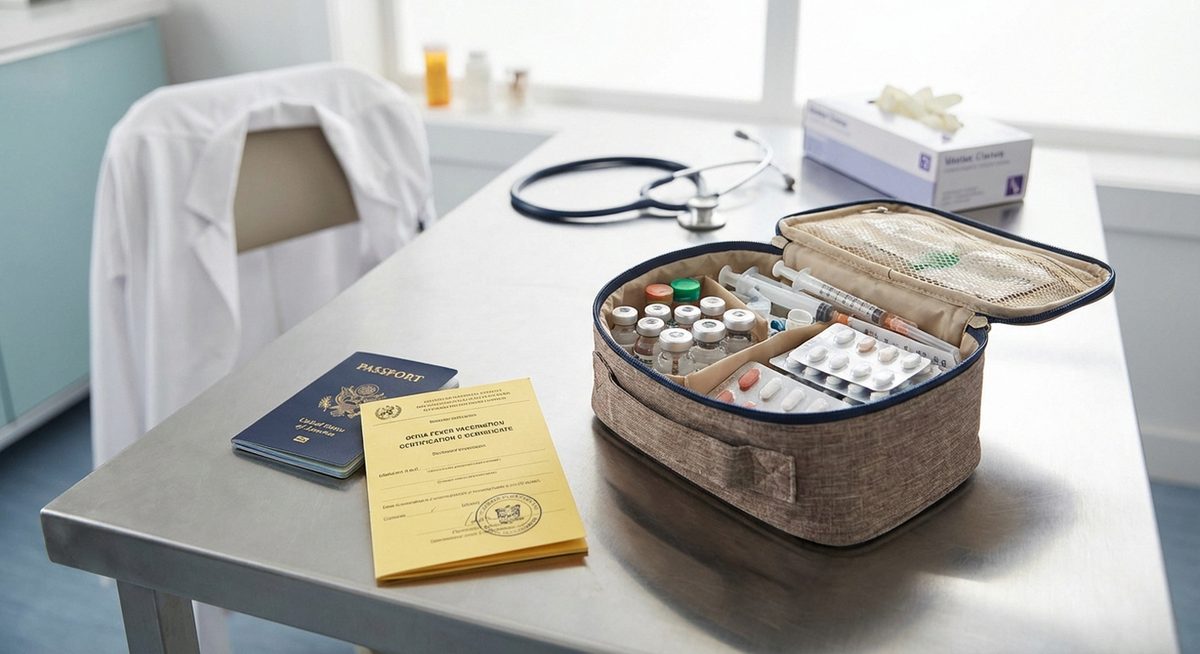
What Vaccinations and Shots Do You Need When Travelling to Peru?
Planning a trip to Peru means deciding between Machu Picchu and the Amazon, picking the right season, and figuring out what to pack. But there is one piece of preparation that should come before all of that: getting your vaccinations sorted out. Peru spans coastal deserts, Andean highlands, and tropical jungle, and each region carries its own health considerations.
This guide walks you through every vaccination and health precaution you should consider before travelling to Peru, organized by urgency and relevance. Whether you are hiking to the Amazon rainforest or sticking to Lima and Cusco, you will find the information you need here.
Required Vaccinations: Yellow Fever
Peru does not require proof of any vaccination for entry from most countries. However, there is one critical exception: yellow fever.
If you plan to visit the Amazon basin or any jungle region below 2,300 meters in elevation, the yellow fever vaccine is strongly recommended and in some cases required. Areas where yellow fever vaccination is advised include:
- The entire Loreto region, including Iquitos
- Madre de Dios, including Puerto Maldonado and Manu National Park
- San Martín region, including Tarapoto
- The jungle portions of Cusco and Junín regions
- Amazonas region, including Chachapoyas (lower-elevation areas)
The yellow fever vaccine is a single dose that provides lifelong protection. You must receive it at least 10 days before entering a yellow fever zone for the immunity to take effect. After vaccination, you receive an International Certificate of Vaccination (the yellow card), which you should carry with you during your trip.
If you are flying from Peru to certain countries in Africa or Asia afterward, you may be required to show proof of yellow fever vaccination at the border. Check your onward destinations for their entry requirements.
For a deeper look at what the Amazon region has to offer, see our facts about the Peruvian Amazon.
Recommended Vaccinations for All Travelers
The following vaccines are not legally required for entry into Peru, but health authorities including the CDC and WHO recommend them for travelers:
Hepatitis A
Hepatitis A spreads through contaminated food and water. Given that street food is a major part of the Peruvian experience and water quality varies outside major cities, this vaccine is considered essential. It is given in two doses, six months apart, though the first dose provides protection within two weeks. Most adults from developed countries have not been vaccinated against hepatitis A in childhood, so check your records.
Hepatitis B
Hepatitis B spreads through blood and bodily fluids. It is recommended for travelers who might need medical procedures in Peru, get tattoos or piercings, or engage in activities with injury risk. The standard schedule is three doses over six months, but an accelerated schedule can be completed in 21 days.
Typhoid
Typhoid fever is a bacterial infection spread through contaminated food and water. It is more common in rural areas and smaller towns than in Lima or major tourist hubs. The vaccine comes in two forms: an injection (single dose, effective within two weeks) and oral capsules (four doses over a week). Typhoid vaccination is especially important if you plan to eat at local markets or travel off the beaten path.
Routine Vaccinations
Make sure your routine vaccinations are up to date before any international trip. These include:
- Measles, mumps, and rubella (MMR)
- Diphtheria, tetanus, and pertussis (DTP/Tdap)
- Polio
- Varicella (chickenpox)
- Influenza (seasonal flu shot)
- COVID-19 (current booster recommended)
Vaccinations for Specific Situations
Rabies
The pre-exposure rabies vaccine is recommended if you plan to spend time in rural areas, work with animals, or engage in adventure activities like caving where bat exposure is possible. Peru has stray dogs in many cities and towns, and rabies is present in the country. The pre-exposure series is three doses over two to four weeks. Even with the vaccine, you still need post-exposure treatment if bitten, but the treatment protocol is simpler and you have more time to reach a medical facility.
Cholera
Cholera outbreaks occur periodically in Peru, though they are rare in tourist areas. The oral cholera vaccine (Dukoral or Vaxchora) may be worth considering if you will be spending extended time in remote rural areas or doing humanitarian work. For most tourists, the risk is low.
Malaria Prevention in Peru
Malaria is present in Peru's Amazon basin and some coastal areas in the north. There is no malaria vaccine widely available for travelers, so prevention relies on antimalarial medication and mosquito bite prevention.
Areas with malaria risk include:
- Loreto region (highest risk, including Iquitos)
- Madre de Dios and its jungle lodges
- Parts of the Piura and Tumbes coastal regions
- San Martín region
There is no malaria risk in Lima, Cusco, Machu Picchu, Lake Titicaca, Arequipa, or any highlands above 2,000 meters.
Common antimalarial medications prescribed for Peru include:
- Atovaquone-proguanil (Malarone): Start 1-2 days before, take daily during exposure, continue 7 days after. Fewest side effects for most people.
- Doxycycline: Start 1-2 days before, take daily, continue 28 days after. Can cause sun sensitivity, which is worth noting given Peru's strong equatorial sun.
- Mefloquine (Lariam): Start 2 weeks before, take weekly, continue 4 weeks after. Can cause vivid dreams and mood changes in some people.
In addition to medication, bring DEET-based insect repellent, wear long sleeves and pants at dawn and dusk, and sleep under mosquito nets in jungle accommodations if they do not have screens.
Altitude Sickness: Not a Vaccine, But Critical Preparation
While not a vaccination, altitude sickness prevention deserves a mention in any Peru health guide. Cusco sits at 3,400 meters, and many popular treks go higher. Symptoms include headache, nausea, dizziness, and shortness of breath. Severe cases can lead to life-threatening pulmonary or cerebral edema.
Your doctor may prescribe acetazolamide (Diamox) to help prevent altitude sickness. Start taking it one to two days before arriving at altitude. Common side effects include tingling in the hands and feet and increased urination. Drink plenty of water, avoid alcohol for the first day or two, and ascend gradually when possible.
Coca tea (mate de coca) is widely available in the highlands and many locals swear by its effectiveness. It is legal throughout Peru and offered in most hotels and restaurants in high-altitude areas.
When to Get Vaccinated: A Pre-Trip Timeline
Timing matters. Some vaccines need weeks to become effective, and certain series require multiple doses over months. Here is a recommended timeline:
- 6-8 weeks before departure: Visit a travel health clinic. Start hepatitis B series if needed. Get first hepatitis A dose. Begin rabies pre-exposure series if applicable.
- 4-6 weeks before: Receive yellow fever vaccine (must be at least 10 days before entering a risk zone). Get typhoid vaccine.
- 2-4 weeks before: Complete any remaining doses. Fill prescriptions for antimalarials and altitude sickness medication.
- 1-2 days before departure: Start antimalarial medication if visiting jungle areas. Start acetazolamide if going directly to high altitude.
If you are leaving in less than two weeks, a travel clinic can still help. Some vaccines provide partial protection quickly, and starting a series is better than skipping it entirely.
Travel Health Insurance for Peru
No amount of vaccination protects against everything. Travel health insurance is strongly recommended for Peru. It should cover:
- Emergency medical treatment and hospitalization
- Medical evacuation (especially important for remote jungle or mountain areas)
- Repatriation
- Trip cancellation and interruption
Peru has good private hospitals in Lima, Cusco, and Arequipa. Public hospitals are less reliable for foreigners. Medical costs are lower than in the US or Europe but can still be substantial without insurance, particularly if evacuation from a remote area is needed.
For general travel preparation advice, our 8 things you must know before traveling to Peru covers topics beyond health, including money, language, and cultural tips.
Pharmacies and Medical Care in Peru
Peruvian pharmacies (farmacias or boticas) are widespread and many medications that require prescriptions in other countries are available over the counter in Peru. This includes some antibiotics, antimalarials, and gastrointestinal medications. Major chains include InkaFarma and MiFarma, both of which have locations throughout the country.
However, do not rely on buying your vaccines or antimalarials in Peru. Get everything sorted before you leave. The quality and availability of specialized travel medications can vary, and you do not want to start your trip searching for a specific drug.
If you get sick in Peru, private clinics in Lima (such as Clínica Anglo Americana or Clínica San Pablo) offer English-speaking doctors and modern facilities. In Cusco, Clínica Pardo is a reliable option. Outside major cities, medical infrastructure drops off significantly.
Health Risks by Region
Peru's geography creates distinct health risk profiles depending on where you go:
- Lima and the coast: Low risk for most tropical diseases. Main concerns are gastrointestinal illness from food and water, and strong sun exposure. No malaria, no yellow fever risk.
- Cusco, Sacred Valley, and the highlands: Altitude sickness is the primary concern. No malaria or yellow fever risk. Food and water precautions still apply.
- Amazon basin: Highest risk zone. Yellow fever, malaria, dengue, and other mosquito-borne diseases are present. Gastrointestinal illness risk is elevated. Water should always be treated or bottled.
- Northern coast (Piura, Tumbes): Some malaria risk in rural areas. Dengue cases increase during the rainy season. Sun and heat-related illness are common.
For more detail on the safety aspects of your trip, check our guide to whether Peru is safe for tourists.
Frequently Asked Questions
Is yellow fever vaccination required to enter Peru?
Peru does not require yellow fever vaccination as a condition of entry for most travelers. However, it is strongly recommended if you plan to visit any jungle areas below 2,300 meters, including Iquitos, Puerto Maldonado, or Manu. Some jungle lodges may require proof of vaccination before accepting your booking.
Can I get vaccinations in Peru instead of before my trip?
While some vaccinations are available at health centers in Lima and other major cities, it is far better to get everything done before departure. Vaccines like yellow fever need at least 10 days to take effect, and sourcing specific travel vaccines in Peru can be unpredictable. Plan ahead.
Do I need malaria pills for Machu Picchu?
No. Machu Picchu sits at approximately 2,430 meters, well above the elevation where malaria-carrying mosquitoes live. The same applies to Cusco, the Sacred Valley, and the Inca Trail. You only need antimalarials if you are heading into the low-lying jungle regions.
How much do travel vaccinations cost?
Costs vary by country and healthcare system. In the US, a yellow fever vaccine costs roughly $200-$350, hepatitis A around $50-$100 per dose, and typhoid about $50-$80. Many insurance plans cover travel vaccinations partially or fully. Travel clinics often charge a consultation fee on top of vaccine costs.
Is the water safe to drink in Peru?
Tap water in Peru is not considered safe to drink, even in Lima. Stick to bottled water, which is inexpensive and available everywhere. In restaurants, confirm that water and ice are purified (agua purificada). Avoid raw salads washed in tap water at street stalls if you have a sensitive stomach.
What should I pack in a travel health kit for Peru?
A good travel health kit includes: DEET insect repellent, sunscreen (SPF 50+), rehydration salts, anti-diarrheal medication (loperamide), pain relievers, any prescribed antimalarials, altitude sickness medication if applicable, band-aids and antiseptic, hand sanitizer, and copies of your vaccination records.
How long does the yellow fever vaccine last?
The WHO considers a single dose of the yellow fever vaccine to provide lifelong protection. Previously, a booster was recommended every 10 years, but this guidance was updated in 2016. Your International Certificate of Vaccination is now valid for life.
Is dengue a risk in Peru?
Yes. Dengue fever is present in Peru's jungle and coastal lowland areas, particularly during the rainy season (November through May). There is no widely available vaccine for travelers, so prevention relies on avoiding mosquito bites. Use repellent, wear protective clothing, and stay in accommodations with screens or air conditioning.
Should I get a rabies vaccine before going to Peru?
The pre-exposure rabies vaccine is recommended if you plan to spend extended time in rural areas, work with animals, visit caves, or travel far from medical facilities. Peru has stray dogs in most towns, and bat rabies exists in jungle areas. The vaccine does not eliminate the need for treatment after a bite, but it simplifies and shortens the post-exposure protocol.
What is traveler's diarrhea and how do I prevent it in Peru?
Traveler's diarrhea is the most common health issue for visitors to Peru, caused by bacteria, viruses, or parasites in food or water. Prevention includes drinking only bottled water, eating freshly cooked food, washing hands frequently, and being cautious with street food until your stomach adjusts. If it strikes, rehydration salts are the most important treatment. Most cases resolve within a few days.