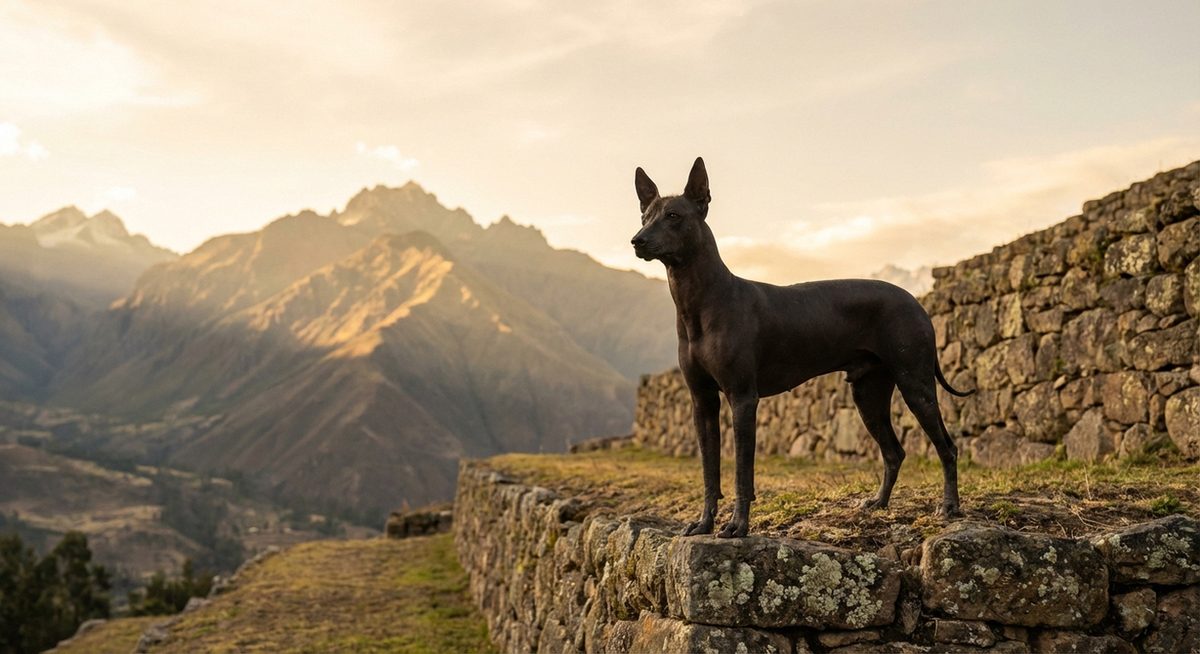
31 Reasons to Adopt a Peruvian Hairless Dog: The Ancient Inca Orchid Breed
Few dog breeds carry the weight of three millennia on their slender, hairless shoulders. The Peruvian Hairless Dog—known officially as the Perro Sin Pelo del Perú and affectionately called the Peruvian Inca Orchid—is one of the oldest and rarest breeds on the planet. Archaeological evidence from Moche, Chimú, and Inca civilizations shows these distinctive Peruvian dogs appearing in pottery, textiles, and burial sites dating back to 750 AD, with some scholars tracing their lineage as far as 3,000 years into pre-Columbian history.
For centuries, the Inca people believed these hairless dogs possessed mystical healing properties. Their warm, exposed skin was placed against ailing joints and muscles as a form of living therapy—a practice that persists in parts of rural Peru today. When Spanish conquistadors arrived in the 16th century, they found these elegant, unusual canines living alongside nobility in the grand estates of the Inca Empire.
Today, the Peruvian Hairless Dog is declared a national patrimony of Peru, protected by law and celebrated every year during the Día del Perro Sin Pelo del Perú. Yet despite their cultural significance, they remain relatively unknown outside South America. If you are considering Peruvian Hairless Dog adoption, here are 31 reasons this ancient breed might be the perfect companion for your family.
History & Heritage (Reasons 1–6)
1. You are preserving a 3,000-year-old breed. Adopting a Peruvian Inca Orchid means becoming a guardian of living history. These dogs walked alongside the builders of Machu Picchu, and every puppy born today carries DNA stretching back to pre-Columbian Peru. By choosing this breed, you help maintain a genetic lineage that has survived conquest, colonization, and near-extinction.
2. They are a declared national treasure. In 2001, the Peruvian government officially declared the Perro Sin Pelo del Perú a national patrimony. No other dog breed in the Americas holds such a distinction. Owning one connects you to a living piece of Peru’s extraordinary natural heritage.
3. Ancient Peruvians considered them sacred. The Moche civilization (100–700 AD) depicted hairless dogs in their ceramic art, often alongside deities and in ceremonial scenes. The Chimú people buried them with their dead, believing the dogs guided souls to the afterlife. This spiritual significance gives the breed a depth of character that few modern breeds can match.
4. They survived against the odds. Spanish colonizers nearly wiped out the breed, viewing them as diseased or inferior. It was rural Peruvian communities—particularly in the Andes and coastal valleys—that kept the breed alive for centuries, hidden from colonial persecution. Their survival is a testament to loyalty on both sides.
5. They are recognized by the AKC and FCI. The Peruvian Inca Orchid gained American Kennel Club recognition in the Foundation Stock Service in 1996 and full FCI (Fédération Cynologique Internationale) recognition. This means breed standards exist, health testing protocols are established, and reputable Peruvian Inca Orchid breeders in the USA follow documented guidelines.
6. They connect you to Inca civilization. If you are fascinated by the ancient sites and destinations of Peru, owning a Peruvian Hairless Dog is the closest you can get to bringing a piece of that world into your home. These dogs are a direct, unbroken link to the Inca Empire.
Personality & Temperament (Reasons 7–14)
7. They are fiercely loyal. Peruvian Hairless Dogs bond deeply with their primary owner, often becoming a devoted shadow that follows you from room to room. This is not a breed that spreads its affection thin—they choose their person and commit fully.
8. They are intelligent and trainable. Ranked among the smarter sighthound-type breeds, Peruvian Inca Orchids respond well to positive reinforcement training. They learn commands quickly but can be independent thinkers, which means training sessions should be short, varied, and reward-based.
9. They are excellent watchdogs. Despite their elegant, almost delicate appearance, these Peruvian dogs have keen senses and a natural wariness of strangers. They will alert you to anyone approaching your home long before a doorbell rings, making them surprisingly effective guard dogs without being aggressive.
10. They are gentle with children when socialized early. A well-socialized Peruvian Hairless Dog is patient and affectionate with kids. Their naturally warm skin makes them especially comforting for children to cuddle with. Early and consistent socialization is key—start introductions when the dog is young, and supervise interactions as you would with any breed.
11. They have a calm indoor demeanor. While they enjoy outdoor exercise, Peruvian Hairless Dogs are remarkably calm indoors. They are content to lounge beside you on the sofa for hours, making them excellent apartment companions despite their medium size.
12. They are sensitive and emotionally attuned. This breed has an almost uncanny ability to sense their owner’s mood. When you are stressed or upset, your Peruvian Hairless Dog will often come to sit beside you quietly. Their emotional intelligence makes them natural therapy dogs.
13. They get along with other dogs. With proper introductions, Peruvian Inca Orchids coexist well with other dogs. They are not typically dominant or confrontational, preferring a peaceful household. Many owners report they do especially well in pairs.
14. They have a playful streak that lasts into adulthood. Unlike some breeds that become sedate with age, the Peruvian Hairless Dog retains a puppyish playfulness well into its senior years. Expect spontaneous bursts of zoomies and an enduring love of interactive games.
Health & Care (Reasons 15–22)
15. They have an impressive Peruvian Hairless Dog life span of 12–14 years. For a medium-sized breed, the Peruvian Inca Orchid enjoys remarkable longevity. With proper care, nutrition, and regular veterinary checkups, many live well beyond 12 years. Some owners report their dogs reaching 15 or even 16 years old.
16. They are hypoallergenic. Because they lack fur (or have very minimal hair in the coated variety), Peruvian Hairless Dogs produce significantly less dander than most breeds. While no dog is 100% hypoallergenic, allergy sufferers consistently report fewer reactions around this breed, making them one of the best choices for sensitive households.
17. No shedding means a cleaner home. Say goodbye to lint rollers and fur-covered furniture. The hairless variety of the Peruvian Inca Orchid produces virtually zero shed hair. Your clothes, car seats, and carpets will thank you.
18. Grooming is simple and straightforward. Without a coat to brush, groom, or trim, maintenance focuses on skin care. A weekly bath with a gentle, moisturizing shampoo and regular application of pet-safe sunscreen or moisturizer is all it takes. Many owners find this routine far simpler than dealing with a double-coated breed.
19. They are generally a healthy breed. The Peruvian Hairless Dog does not suffer from the extreme health issues that plague many purebreds. Their most common concerns are skin-related (sunburn, dryness, acne) and dental (the hairless gene is linked to fewer premolars). Both are manageable with routine care. Responsible Peruvian Inca Orchid breeders in the USA screen for hip dysplasia, patellar luxation, and eye conditions.
20. Their warm skin has genuine therapeutic benefits. The exposed skin of a Peruvian Hairless Dog radiates noticeably more warmth than a furred dog’s coat. Many owners with arthritis, chronic pain, or circulation issues report genuine comfort from having their dog rest against sore muscles and joints—echoing the Inca healing tradition that gave these dogs their sacred status.
21. They come in three convenient sizes. The breed standard recognizes three sizes: pequeño (small, 9–18 lbs), mediano (medium, 18–26 lbs), and grande (large, 26–55 lbs). Whether you live in a studio apartment or a country estate, there is a size that fits your lifestyle perfectly.
22. They are not prone to fleas or ticks. Without fur for parasites to hide in, Peruvian Hairless Dogs are far less susceptible to flea and tick infestations. While preventative treatments are still recommended, owners spend significantly less on parasite control compared to furred breeds.
Lifestyle Fit (Reasons 23–28)
23. They thrive in warm climates. If you live in a warm or temperate region, the Peruvian Hairless Dog is perfectly suited to your environment. Originating from Peru’s coastal desert—one of the driest places on earth—these dogs are built for heat. They enjoy basking in filtered sunlight and are far more comfortable in summer than most breeds. Just remember: sunscreen on exposed skin during peak UV hours.
24. They adapt well to apartment living. Their calm indoor temperament, moderate exercise needs (30–45 minutes daily), and lack of shedding make them ideal apartment dogs. They do not bark excessively, they are content in smaller spaces, and they will not leave fur on every surface.
25. They are moderate exercisers. You do not need to be a marathon runner to own a Peruvian Hairless Dog. A couple of daily walks and some playtime in the yard or living room are sufficient. They enjoy agility courses and lure coursing as hobbies, but they are not a high-energy breed that demands constant physical stimulation.
26. They make outstanding travel companions. Their clean, non-shedding nature and moderate size make Peruvian Inca Orchids excellent travel dogs. They adapt well to new environments and are calm in vehicles. If you dream of taking your dog to Peru someday, what could be more fitting than bringing the breed back to its homeland?
27. They are conversation starters. Everywhere you go with a Peruvian Hairless Dog, people will stop and ask questions. Their striking, unusual appearance sparks curiosity and gives you the opportunity to share the breed’s rich history. If you enjoy meeting people while out on walks, this breed guarantees social interaction.
28. They pair beautifully with other Peruvian pets. If you already share your home with a Peruvian guinea pig—another ancient Andean companion animal—the Peruvian Hairless Dog can make a harmonious addition. With careful introductions and supervision, these gentle dogs coexist peacefully with smaller animals.
Unique Traits (Reasons 29–31)
29. Their skin changes color with the seasons. One of the most fascinating traits of the Peruvian naked dog is its chameleonic skin. In summer, their skin darkens with sun exposure; in winter, it lightens. Some dogs display spotted or mottled patterns that shift throughout the year, making each season bring a subtly different-looking companion.
30. They come in a stunning range of colors. From solid black, slate, and elephant gray to copper, chocolate brown, and blonde—Peruvian Hairless Dogs display a color palette most furred breeds cannot match. Many have striking spotted or pied patterns. No two dogs look exactly alike.
31. They are one of the rarest breeds you can own. With an estimated global population of fewer than 10,000 registered dogs, the Peruvian Inca Orchid is genuinely rare. Owning one places you in an exclusive community of breed enthusiasts dedicated to preserving a living archaeological treasure. Every adoption or ethical purchase directly supports the survival of this ancient lineage.
How Much Does a Peruvian Hairless Dog Cost?
The Peruvian Hairless Dog price varies significantly depending on the source, lineage, and location. Here is what you can expect:
- Reputable breeder (USA): $600–$2,000 for a pet-quality puppy. Show-quality dogs from champion bloodlines can exceed $2,500.
- Peruvian Inca Orchid for sale from specialty breeders: Expect to pay toward the higher end of the range ($1,200–$2,000) for dogs with full health testing, registration papers, and documented pedigree.
- Adoption or rescue: $150–$400 through a Peruvian Inca Orchid rescue organization. Rescue dogs are often adults, which can be an advantage—their temperament is already known, and they may already be trained.
- Imported from Peru: $800–$1,500 plus shipping and quarantine costs. Some dedicated owners import directly from Peruvian kennels for authentic bloodlines.
When evaluating Peruvian Inca Orchid price quotes, be cautious of unusually low prices. Ethical breeders invest heavily in health screenings, proper socialization, and genetic testing. A bargain puppy may come with costly veterinary bills down the road.
Where to Find Peruvian Hairless Dogs
Finding a Peruvian Hairless Dog for sale requires some patience, as the breed is rare. Here are the best avenues:
- AKC Marketplace: Search for registered Peruvian Inca Orchid breeders in the USA through the American Kennel Club’s breeder directory.
- Breed-specific rescues: Organizations like the Peruvian Inca Orchid Rescue Network and Bald Is Beautiful Dog Rescue specialize in rehoming hairless breeds.
- National breed clubs: The Peruvian Inca Orchid Club of the United States maintains a breeder referral list and can connect you with reputable sources.
- International adoption: For those seeking authentic Peruvian lines, kennel clubs in Lima, Peru can facilitate international adoptions with proper export documentation.
Whether you are searching for a Peruvian Hairless Dog for sale from a breeder or exploring Peruvian Hairless Dog adoption through rescue, always visit the facility in person (or via video call), request health clearances, and ask for references from previous adopters.
Essential Care Tips for New Owners
Bringing a Peruvian Hairless Dog into your home requires some breed-specific preparation:
- Skin care routine: Use a fragrance-free, hypoallergenic moisturizer daily. Apply pet-safe SPF 30+ sunscreen before outdoor time. Bathe weekly with a gentle oatmeal-based shampoo to prevent clogged pores and acne.
- Dental care: The hairless gene is linked to incomplete dentition. Many Peruvian Hairless Dogs are missing premolars. Regular dental checkups and soft-food options help manage this trait.
- Temperature management: In cold weather, your dog will need a sweater or jacket outdoors. Indoors, provide warm blankets and consider a heated dog bed during winter months.
- Nutrition: Feed a high-quality, grain-free diet rich in omega fatty acids to support skin health. Many owners supplement with fish oil for an extra skin-nourishing boost.
- Socialization: Begin socializing your Peruvian Inca Orchid early and consistently. Expose them to different people, animals, sounds, and environments between 8 and 16 weeks to develop a confident, well-adjusted adult.
The wildlife of Peru includes many remarkable species, but the Peruvian Hairless Dog stands apart as one that has chosen to share its life with humans for thousands of years. Amid the biodiversity of the Peruvian tropical rainforest and the stark beauty of the coastal desert, this breed evolved alongside one of history’s greatest civilizations.
Whether you are drawn by their ancient heritage, their hypoallergenic qualities, their loyal temperament, or simply their striking appearance, adopting a Peruvian Hairless Dog is a decision that connects you to something far larger than a pet—it connects you to a living legacy of Peru itself.
Frequently Asked Questions
How much does a Peruvian Hairless Dog cost?
The Peruvian Hairless Dog price ranges from $600 to $2,000 for a pet-quality puppy from a reputable breeder in the USA. Show-quality dogs from champion bloodlines may exceed $2,500. Adoption through a Peruvian Inca Orchid rescue typically costs $150 to $400. Prices vary based on lineage, health testing, breeder reputation, and geographic location. Always request health clearances and registration documentation before purchasing.
Are Peruvian Hairless Dogs hypoallergenic?
Yes, Peruvian Hairless Dogs are considered one of the most hypoallergenic breeds available. Because they lack fur (or have minimal hair in the coated variety), they produce significantly less dander than most dogs. While no breed is 100% allergen-free, allergy sufferers consistently report fewer symptoms around this breed. If allergies are a concern, spend time with a Peruvian Hairless Dog before committing to adoption to gauge your individual reaction.
Where can I buy a Peruvian Inca Orchid?
You can find a Peruvian Inca Orchid for sale through the AKC Marketplace breeder directory, the Peruvian Inca Orchid Club of the United States breeder referral program, or breed-specific rescues like Bald Is Beautiful Dog Rescue. There are also reputable Peruvian Inca Orchid breeders in the USA concentrated in California, Florida, Texas, and the Northeast. For authentic Peruvian bloodlines, some buyers import directly from registered kennels in Lima, Peru.
What is the life span of a Peruvian Hairless Dog?
The Peruvian Hairless Dog life span is typically 12 to 14 years, which is above average for a medium-sized breed. With excellent nutrition, regular veterinary care, proper skin maintenance, and a loving home environment, many individuals live to 15 or even 16 years. The breed is relatively free of the severe genetic health issues that shorten the lives of many purebred dogs.
Do Peruvian Hairless Dogs need special skin care?
Yes, their exposed skin requires a consistent care routine. Apply a fragrance-free moisturizer daily to prevent dryness and cracking. Use pet-safe sunscreen (SPF 30+) before any sun exposure. Bathe weekly with a gentle, hypoallergenic shampoo to prevent acne and clogged pores. In winter, protect them with dog clothing when outdoors and provide warm bedding indoors. Despite these needs, most owners find hairless skin care simpler than maintaining a heavy double coat.
Are Peruvian Hairless Dogs good with children?
When properly socialized from a young age, Peruvian Hairless Dogs are gentle, patient, and affectionate with children. Their warm skin makes them especially comforting to cuddle with. However, like all breeds, interactions between dogs and young children should always be supervised. The smaller variety (pequeño) may be too delicate for rough play with toddlers, so the medium or large variety is generally recommended for families with small children.
Can Peruvian Hairless Dogs live in cold climates?
Yes, but they need extra protection. In cold weather, a Peruvian Hairless Dog requires a warm sweater or insulated jacket for outdoor walks, and a heated bed or thick blankets indoors. Many owners in northern climates use dog booties to protect their paws from ice and salt. Despite the extra gear, thousands of Peruvian Inca Orchids thrive in cold-climate homes across Canada, northern Europe, and the northern United States.
How do I find a Peruvian Inca Orchid rescue?
Start by contacting the Peruvian Inca Orchid Club of the United States, which maintains a rescue referral network. Bald Is Beautiful Dog Rescue specializes in all hairless breeds including Peruvian Inca Orchids. You can also search Petfinder and Adopt-a-Pet using the breed filter. Rescue dogs are typically adults with known temperaments, which can be an advantage for first-time owners of the breed. Adoption fees usually range from $150 to $400.
What is the difference between hairless and coated Peruvian Inca Orchids?
The hairless gene in Peruvian Inca Orchids is dominant but incomplete. Each litter typically produces both hairless and coated puppies. Hairless dogs have smooth, warm skin with possibly small tufts of hair on the head, feet, and tail tip. Coated (or “powderpuff”) dogs have a full, short-to-medium coat. Both varieties share the same temperament and health profile, though coated dogs do not require the specialized skin care routine. Coated puppies are usually less expensive than their hairless siblings.
Are Peruvian Hairless Dogs recognized by the AKC?
Yes. The Peruvian Inca Orchid has been part of the AKC Foundation Stock Service (FSS) since 1996 and was admitted to the AKC Miscellaneous Class in 2011. They can compete in AKC companion events, agility, obedience, and rally. The breed is also fully recognized by the FCI (Fédération Cynologique Internationale), which sets the international breed standard used by most countries outside the United States.