Is Peru Safe for Tourists? A Practical Safety Guide for Every Region
"Is Peru safe?" is the single most common question we receive from travelers planning their first visit. The short answer is yes, Peru is safe for tourists who exercise reasonable precautions. Over 4.4 million international tourists visit Peru annually, and the overwhelming majority have incident-free experiences. However, like any developing country with significant economic inequality, Peru has areas and situations that require awareness and caution. This guide provides an honest, region-by-region safety assessment so you can plan your trip with confidence.
This page serves as the central hub for all safety-related content on Peru Sabe. Whether you are concerned about specific cities, health risks, or travel logistics, you will find detailed guidance here and in our linked specialist guides.
Overall Safety Assessment for Tourists in Peru
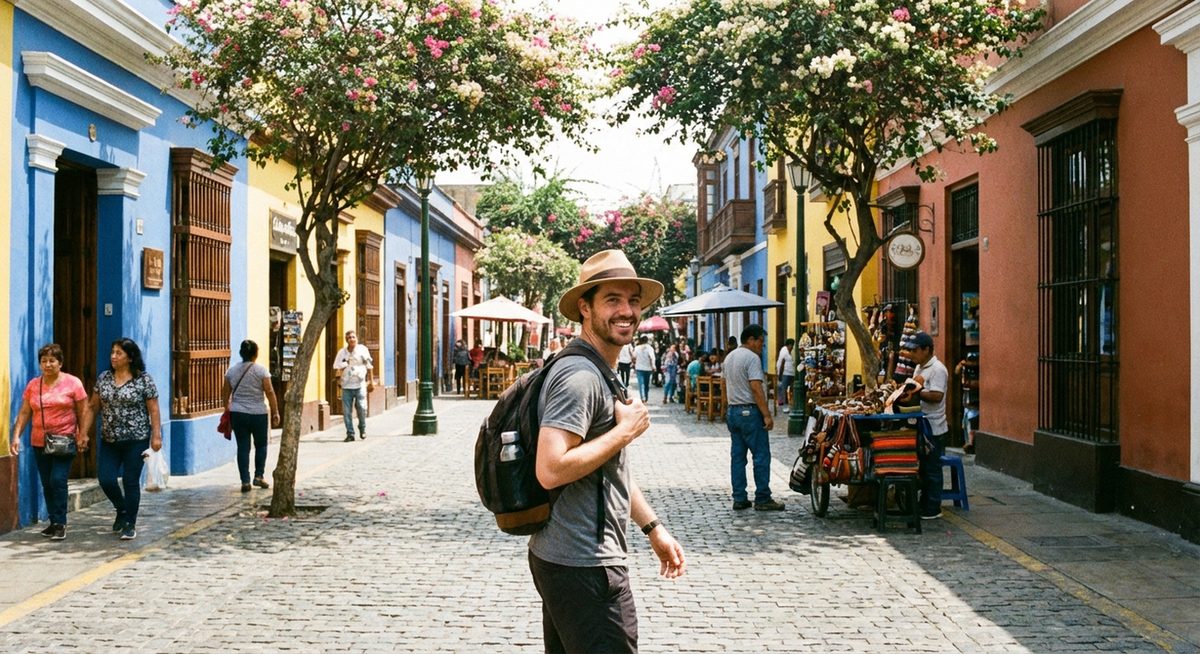
The vast majority of crime affecting tourists in Peru is opportunistic and non-violent: pickpocketing, bag snatching, phone theft, and taxi scams. Violent crime against tourists is rare and typically confined to specific neighborhoods that travelers have no reason to visit. Peru's major tourist circuits, including Lima's Miraflores and Barranco districts, the entire Sacred Valley, Machu Picchu, Arequipa, and well-established Amazon lodges, are well-policed and accustomed to hosting international visitors.
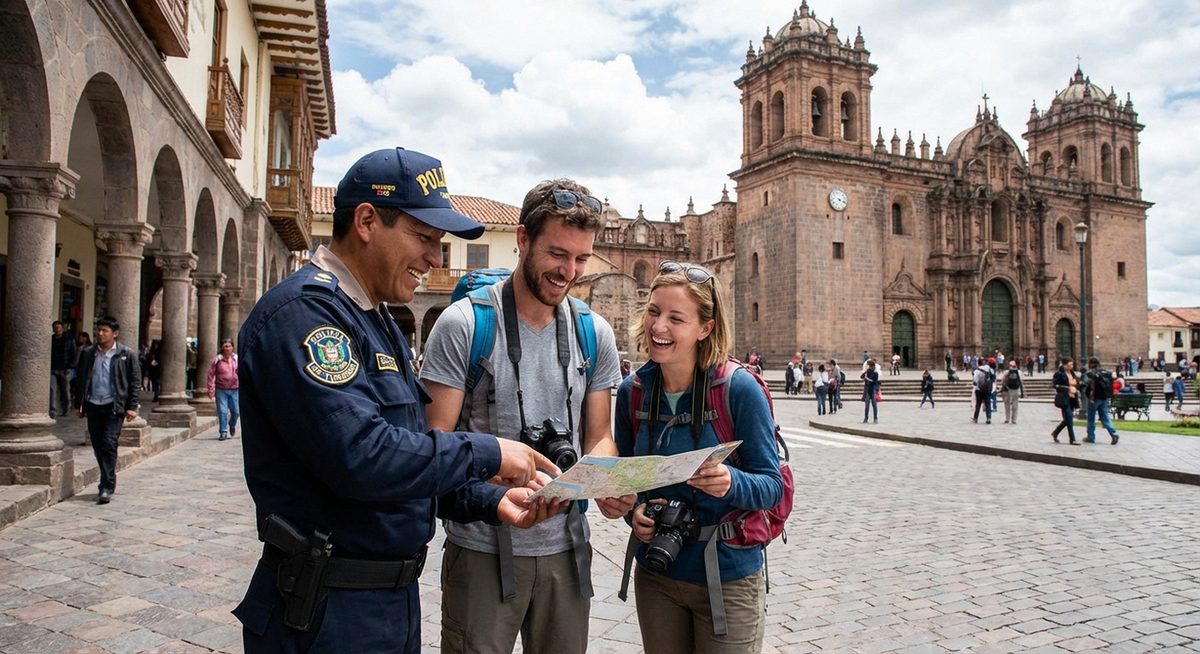
Peru's tourism police (Policía de Turismo) maintain a visible presence in major tourist areas and are generally helpful. They have dedicated offices in Lima, Cusco, Arequipa, and Puno where you can report crimes or seek assistance in English.
The country's greatest safety challenges for tourists are not criminal but environmental and health-related: altitude sickness in the highlands, waterborne illness, strong ocean currents on the coast, and tropical diseases in the Amazon. Proper preparation addresses most of these risks. Read our guide on vaccinations and health preparation for Peru and our 8 essential things to know before traveling to Peru for comprehensive pre-trip guidance.
Lima: Safe Districts and Areas to Avoid
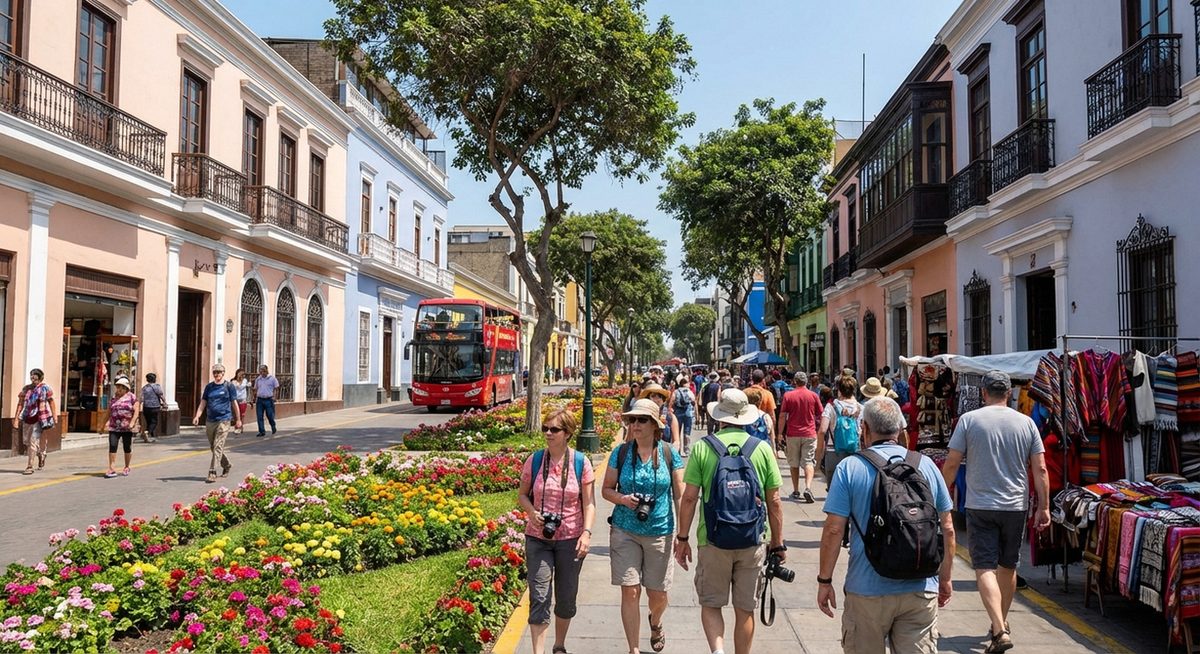
Lima is a sprawling metropolis of over 10 million people, and safety varies dramatically by neighborhood. The tourist-friendly districts of Miraflores, San Isidro, and Barranco are well-patrolled, have good street lighting, and are comparable in safety to most European cities. The historic center (Centro de Lima) around the Plaza de Armas is safe during the day but requires more caution after dark, particularly on side streets away from the main squares.
Districts to avoid entirely include Callao (except for the airport transfer route), San Juan de Lurigancho, Villa El Salvador, Comas, and La Victoria (particularly the Gamarra textile market area at night). These are residential and industrial zones with high crime rates and zero tourist infrastructure. There is simply no reason for a tourist to visit them.
For getting around Lima safely, use Uber, InDriver, or the Metropolitano bus rapid transit system. Avoid hailing street taxis, especially at night, as unlicensed taxi crime (taxi asalto) remains a concern in Lima. If you must use a street taxi, have your hotel or restaurant call one from a trusted company. The museums in Lima are all in safe, accessible areas, and the beaches near Lima are generally safe during the day.
Cusco and the Sacred Valley: Tourist Safety Hub
Cusco is one of the safest cities in Peru for tourists. The historic center, San Blas neighborhood, and the main Plaza de Armas are heavily patrolled by both regular and tourist police. The biggest risks are altitude sickness (Cusco sits at 3,400 meters), drink spiking in bars and nightclubs, and petty theft in crowded markets.
The Sacred Valley towns of Ollantaytambo, Pisac, and Urubamba are extremely safe, with low crime rates and a strong community atmosphere. Machu Picchu and the Inca Trail route are among the safest places in Peru, with controlled access and park rangers present throughout.
Cusco nightlife requires caution. Drink spiking has been reported in bars along Calle Procuradores (known locally as "Gringo Alley"). Never leave your drink unattended, stick with trusted companions, and avoid accepting drinks from strangers. The walking areas around Cusco's hidden gems are generally safe during daylight hours but warrant more awareness after dark.
The Amazon Region: Environmental Risks and Lodge Safety
The Peruvian Amazon accessed from Iquitos, Puerto Maldonado, or Manu is safe for tourists using established lodges and licensed guides. The primary risks here are environmental rather than criminal: insect-borne diseases (malaria, dengue, leishmaniasis), snake encounters, river hazards, and extreme heat and humidity.
Always book Amazon excursions through reputable operators with proper safety equipment, trained guides, and emergency communication capabilities. The Peruvian Amazon is an extraordinary destination, and our guide to Amazon trip costs covers what to expect logistically. Budget lodges that cut corners on safety equipment, guide training, and boat maintenance should be avoided regardless of price.
The one area of the Amazon that tourists must absolutely avoid is the VRAEM (Valley of the Apurimac, Ene, and Mantaro Rivers), a remote region that remains a center of coca cultivation and drug trafficking, with occasional armed confrontations between security forces and remnant Shining Path factions. This area is not on any tourist route and is difficult to reach accidentally, but it is worth being aware of. For more details, see our guide on where not to go in Peru.
Northern Coast: Trujillo, Chiclayo, and Surrounding Areas
Peru's northern coast offers spectacular archaeological sites like Chan Chan, the Moche pyramids (Huacas del Sol y de la Luna), and the royal tombs at Sipan. The tourist areas of Trujillo and Chiclayo are reasonably safe during the day, but both cities have higher crime rates than Cusco or tourist-zone Lima.
Trujillo in particular has experienced increased security concerns in recent years, with organized crime activity affecting certain neighborhoods. Our dedicated guide on whether Trujillo is safe provides detailed district-by-district information. The beach town of Huanchaco, popular with surfers, maintains a more relaxed and safer atmosphere than downtown Trujillo.
The northern coast is less touristed than the southern circuit, meaning less tourist infrastructure and fewer English-speaking services. This can be rewarding for adventurous travelers but requires more self-reliance and Spanish language ability.
Southern Highlands: Arequipa, Puno, and Lake Titicaca
Arequipa, Peru's second-largest city, is generally safe for tourists in the historic center, Yanahuara, and Cayma districts. The stunning Colca Canyon, one of the world's deepest canyons, is a popular excursion from Arequipa and is safe with reputable tour operators.
Puno and Lake Titicaca are safe tourist destinations with low violent crime rates. The floating Uros Islands and Taquile Island are controlled tourism environments. The main risk in Puno is altitude sickness (3,830 meters) and occasional social unrest, particularly road blockades (bloqueos) during political protests that can disrupt travel between Puno and Cusco or Puno and the Bolivian border.
Common Scams Targeting Tourists in Peru
Being aware of common scams helps you avoid them. The most frequently reported schemes include:
- Fake tour agencies: Unlicensed operators selling Inca Trail or Amazon tours at suspiciously low prices, then providing substandard or dangerous service. Always verify that your operator is licensed by DIRCETUR (the regional tourism authority).
- Taxi overcharging: Drivers quoting inflated fares to tourists. Always agree on the price before entering or use ride-hailing apps.
- Distraction theft: Someone spills something on you, "helpfully" points out bird droppings on your shoulder, or creates a commotion while an accomplice picks your pocket. Stay alert in crowded areas.
- Fake police: Individuals posing as plainclothes police officers asking to inspect your passport and wallet. Real police will take you to a station; never hand over documents or money on the street.
- Currency exchange scams: Street money changers offering great rates but using sleight of hand to short-change you or pass counterfeit bills. Use banks or official exchange houses (casas de cambio).
- ATM skimming: Tampered ATM machines that steal card data. Use ATMs inside bank branches rather than standalone machines on the street.
Safety Tips for Solo Travelers in Peru
Peru is a popular destination for solo travelers and backpackers, and the well-established tourist infrastructure in the southern circuit (Lima-Cusco-Sacred Valley-Machu Picchu) makes independent travel straightforward. Hostels, tour groups, and social activities at every major destination make it easy to meet fellow travelers.
Solo travelers should take extra precautions: share your itinerary with someone at home, keep your phone charged and with data, avoid walking alone in unfamiliar areas after dark, and trust your instincts. If a situation feels wrong, remove yourself. Joining group tours for day trips and multi-day treks provides both safety and social company.
For longer explorations off the beaten path, consider hiring a local guide. This is particularly recommended for remote trekking areas and Amazon excursions. Not only does it enhance safety, but a good guide transforms the experience with local knowledge and cultural insight. The top destinations across Peru all have reliable guide services available.
Safety Tips for Women Travelers in Peru
Peru is a manageable destination for women traveling solo, though the machismo culture prevalent in Latin America means women should be prepared for unwanted attention, particularly piropos (street catcalling). This is annoying but rarely threatening and is best ignored.
Practical tips for women travelers include dressing modestly (particularly in smaller towns and rural areas), avoiding walking alone after dark, using ride-hailing apps rather than street taxis, not accepting drinks from strangers, and being cautious with overly friendly strangers of any gender. Women-only dorm rooms are available in many hostels throughout the tourist circuit.
In our experience, the most important safety measure for women travelers in Peru is the same as for everyone: stay in well-touristed areas, maintain awareness of your surroundings, and trust your instincts. The vast majority of Peruvians are genuinely warm and hospitable, and female solo travel in Peru is both rewarding and achievable with basic precautions.
Night Safety Across Peru
The safety calculus in Peru shifts significantly after dark. Areas that are perfectly safe during the day can become risky at night, particularly in cities. As a general rule, stick to well-lit, populated streets, use taxis or ride-hailing apps rather than walking, avoid displaying phones or cameras, and stay in groups when possible.
In Lima's tourist districts (Miraflores, Barranco, San Isidro), nighttime is generally safe on main streets and around restaurants and bars. In Cusco's historic center, the same applies. However, in both cities, dark side streets, parks, and empty plazas should be avoided at night.
For detailed information on specific areas to steer clear of at any time of day, read our comprehensive guide on where not to go in Peru. If you are concerned about safety in Trujillo specifically, our Trujillo safety guide provides neighborhood-level detail.
Emergency Numbers and Resources in Peru
Keep these numbers saved in your phone before arriving in Peru:
- 105 — National Police (Policía Nacional del Perú)
- 116 — Fire Department (Bomberos)
- 106 — SAMU medical emergencies
- 0800-22221 — Tourist Police hotline (iPerPeru) with English-speaking operators
- 01-574-8000 — US Embassy in Lima
- 01-617-3000 — British Embassy in Lima
The iPerPeru tourist assistance line (0800-22221) operates 24/7, has English-speaking operators, and can help with everything from reporting crimes to finding emergency medical care. It is an underused but excellent resource.
Frequently Asked Questions
Is Lima safe for tourists?
Lima is safe for tourists in the well-known districts of Miraflores, San Isidro, and Barranco. These areas are well-patrolled with good infrastructure. Avoid the districts of Callao, La Victoria, San Juan de Lurigancho, and Comas. Use ride-hailing apps instead of street taxis, especially after dark.
Is Cusco safer than Lima for tourists?
Generally yes. Cusco's tourist center is compact, heavily patrolled, and has lower violent crime rates than Lima. The main risks in Cusco are altitude sickness, petty theft in markets, and drink spiking in nightlife venues. The Sacred Valley and Machu Picchu are among the safest places in Peru.
What are the most dangerous areas in Peru for tourists?
The VRAEM jungle region (drug trafficking zone), certain districts in Lima (Callao, La Victoria, SJL), and some northern coast neighborhoods should be avoided. Our detailed guide on where not to go in Peru provides specific areas and neighborhoods to steer clear of.
Is it safe to travel alone in Peru as a woman?
Yes, with standard precautions. Peru is a popular destination for solo female travelers. Expect some catcalling (piropos), which is annoying but generally harmless. Use ride-hailing apps, avoid walking alone after dark, stay in well-touristed areas, and trust your instincts. Many hostels offer female-only dorms.
Are taxis safe in Peru?
Ride-hailing apps (Uber, InDriver) are the safest option. Street taxis in Peru are largely unregulated, and taxi asalto (robbery by unlicensed taxi drivers) remains a concern in Lima. If you must use a street taxi, have your hotel call one from a trusted company and always agree on the fare before entering.
How can I protect myself from pickpockets in Peru?
Use a money belt or hidden pouch for large amounts of cash and your passport. Keep your phone in a front pocket or zipped bag. Be especially vigilant in crowded markets, bus terminals, and on public transport. Avoid wearing flashy jewelry or watches. Leave valuables you do not need in your hotel safe.
Is the Amazon region of Peru safe to visit?
Yes, when using established lodges and licensed guides. The primary risks are environmental (insects, snakes, river hazards) rather than criminal. Avoid the VRAEM region entirely. Book with reputable operators and ensure your guide is licensed. Read our Amazon guide for more information.
What should I do if I am robbed in Peru?
Do not resist. Hand over what is demanded calmly. Then go to the nearest tourist police office (Policía de Turismo) to file a report, which you will need for insurance claims. Call the iPerPeru hotline at 0800-22221 for English-language assistance. Contact your embassy if your passport was stolen.
Are road blockades common in Peru and how do they affect tourists?
Political protests and road blockades (bloqueos) do occur periodically, particularly in southern Peru (Puno, Arequipa, Cusco). They can disrupt bus travel and access to airports. Monitor local news and your embassy's travel advisories. Having flexible travel plans and travel insurance with trip interruption coverage is advisable.
Do I need travel insurance for Peru?
Travel insurance is strongly recommended. It should cover medical expenses, medical evacuation (critical for altitude-related emergencies), trip cancellation, and theft. Peru's private medical clinics are competent but expensive without insurance. Ensure your policy covers altitudes above 3,000 meters if you plan to visit the highlands.