Must-See Animals in Peru: A Region-by-Region Wildlife Guide
Peru is one of the most biodiverse nations on the planet, ranking in the global top ten for total species count. From the dense canopy of the Peruvian Amazon to the wind-swept peaks of the Andes and the nutrient-rich waters of the Pacific coast, the country shelters an extraordinary range of wildlife. Roughly 1,850 bird species, 500 mammals, and thousands of reptiles, amphibians, and fish call Peru home, making it a dream destination for anyone interested in animals of Peru.
This guide breaks down the must-see animals in Peru by region so you can plan your trip around the species you want to encounter most. Whether you have a week in the jungle or a single day near Lima, there is remarkable wildlife in Peru waiting for you.
Amazon Rainforest: The Engine of Peruvian Biodiversity
The Peruvian Amazon covers roughly 60 percent of the country and contains the highest concentration of animal species anywhere in Peru. Two protected areas stand out for wildlife observation: Manu National Park and the Tambopata National Reserve, both in the Madre de Dios region. Together they protect millions of hectares of primary rainforest and the animals from Peru that depend on it.
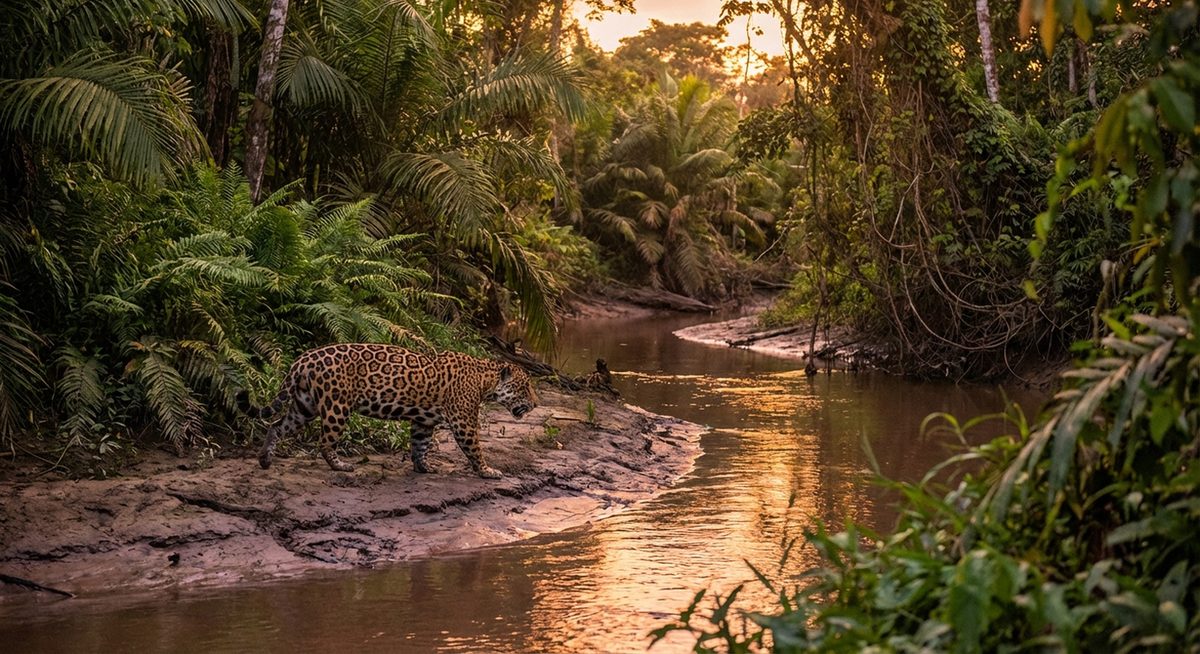
Jaguar (Panthera onca)
The jaguar is the largest cat in the Americas and one of the most sought-after animals in Peru for wildlife travelers. Males can weigh over 100 kilograms and are apex predators in the Amazon ecosystem. Unlike most big cats, jaguars are powerful swimmers and regularly hunt caimans, capybaras, and large fish along riverbanks. Your best chance of a sighting is on a multi-day river cruise or lodge stay along the Tambopata or Heath rivers during the dry season (May to October), when animals concentrate near shrinking water sources.
Green Anaconda (Eunectes murinus)
The green anaconda is the heaviest snake in the world, with some individuals exceeding 200 kilograms and stretching beyond six meters in length. These massive constrictors inhabit the slow-moving rivers, swamps, and oxbow lakes of the Peruvian Amazon. They feed on fish, birds, caimans, and the occasional capybara. Sightings are uncommon but not impossible, particularly on guided night walks near lake edges during the wet season when anacondas are more active.
Amazon Pink River Dolphin (Inia geoffrensis)
One of the most magical animals of Peru, the Amazon pink river dolphin is the largest freshwater dolphin species on Earth. Adults develop a distinctive pinkish hue, which intensifies when they are excited or active. These dolphins navigate murky river waters using echolocation and are often spotted near the confluence of tributaries. Pacaya-Samiria National Reserve in the Loreto region, accessible from Iquitos, is one of the most reliable locations to see them.
Harpy Eagle (Harpia harpyja)
With a wingspan exceeding two meters and talons the size of a grizzly bear's claws, the harpy eagle is the most powerful raptor in the Americas. It hunts sloths and monkeys in the upper canopy of pristine rainforest. Peru's Manu National Park hosts a small but stable population, and some eco-lodges in Tambopata have identified active nests. Spotting a harpy eagle requires patience, a good guide, and often a canopy tower or observation platform.
Macaws and Parrots
Peru is home to 51 species of parrots and macaws, and the clay licks (collpas) of the southeastern Amazon are the best places on the continent to see them. At dawn, hundreds of scarlet macaws, blue-and-yellow macaws, and various parrot species descend on exposed clay banks to ingest minerals that neutralize toxins from their fruit-heavy diet. The Tambopata Macaw Project near the Chuncho clay lick offers one of the most spectacular bird watching experiences in Peru, with peak activity from July through November.
Pygmy Marmoset and Other Primates
The pygmy marmoset, the smallest monkey in the world at just 15 centimeters in body length, lives in the lowland forests near Iquitos and along the upper Amazon tributaries. Peru shelters more than 50 primate species, including howler monkeys whose calls carry over three kilometers through the forest, agile spider monkeys, and the distinctive emperor tamarin with its long white mustache. Any multi-day Amazon lodge stay will almost certainly include encounters with several primate species.
Black Caiman and Giant River Otter
The black caiman is the largest predator in the Amazon basin, growing up to five meters long. Nighttime boat excursions reveal their red eyes reflecting torchlight along quiet river channels. The giant river otter, reaching nearly two meters, is equally impressive. These highly social animals hunt cooperatively in family groups and are vocal communicators. Lake Sandoval and Lake Salvador in Tambopata are top spots for both species.
The Amazon is also home to remarkable tropical rainforest plants that form the foundation of this entire ecosystem, from towering ceiba trees to bromeliads that house tiny poison dart frogs.
Andes Highlands: Wildlife Above the Clouds
The Andes run the entire length of Peru, creating ecosystems that range from temperate valleys to frozen alpine zones above 5,000 meters. The common animals in Peru's highlands are adapted to extreme altitude, intense UV radiation, and dramatic temperature swings between day and night.
Andean Condor (Vultur gryphus)
The Andean condor has the largest wingspan of any land bird, stretching over three meters from tip to tip. These magnificent scavengers ride thermal currents along canyon walls without flapping their wings for hours at a time. Colca Canyon, near Arequipa, is the most famous location for condor watching. Arrive at the Cruz del Condor viewpoint by 8 AM and you will almost certainly see multiple birds soaring at eye level or below. The sight of a condor passing within meters of you, silent and enormous, is unforgettable.
Vicuña (Vicugna vicugna)
The vicuña is Peru's national animal and appears on the country's coat of arms. This elegant relative of the llama produces the finest natural fiber in the world, once reserved exclusively for Inca royalty. After nearly being hunted to extinction in the 1960s, conservation programs have brought the population back to over 200,000 individuals. Today you can see large herds grazing on the puna grasslands above 3,800 meters, particularly in the Pampa Galeras National Reserve in Ayacucho and along the road between Arequipa and Chivay.
Spectacled Bear (Tremarctos ornatus)
South America's only bear species, the spectacled bear gets its name from the distinctive cream-colored markings around its eyes. These bears are primarily herbivorous, feeding on bromeliads, fruits, and cacti in the cloud forests and high-altitude grasslands of the Andes. They are solitary and elusive, making sightings rare and special. The Chaparri Ecological Reserve in Lambayeque offers the most accessible viewing opportunities, as the bears there have become somewhat habituated to human presence. The spectacled bear is, famously, the real-world inspiration for Paddington Bear.
Puma (Puma concolor)
The puma ranges across every major habitat in Peru, from sea level to above 4,000 meters, but it is most frequently encountered in the high Andes where its tawny coat blends with the rocky grasslands. Unlike jaguars, pumas are solitary and extremely shy. They prey on deer, vicuñas, and viscachas. Your best chance of an encounter is at dawn or dusk near Cusco's high-altitude archaeological sites or in the remote puna grasslands of Huascarán National Park.
Andean Flamingos and Highland Birds
Three flamingo species inhabit the high-altitude lakes of the Peruvian Andes: the Andean, Chilean, and James's flamingos. Laguna de Salinas near Arequipa and the lakes around Junin host significant breeding populations. Other notable highland birds include the giant coot, the Andean avocet, and the diademed sandpiper-plover, one of the rarest shorebirds in the world.
Pacific Coast: Marine Wildlife Along the Humboldt Current
Peru's coastline stretches over 2,400 kilometers along the Pacific Ocean. The cold, nutrient-rich Humboldt Current sweeps northward from Antarctica and fuels an extraordinary marine food chain. This makes the coast a hotspot for marine animals in Peru, and the best place to see wildlife without venturing deep into the jungle or high into the mountains.
Humboldt Penguin (Spheniscus humboldti)
Named after the cold current that brings their food supply, Humboldt penguins breed on rocky islands and coastal cliffs from central Chile to northern Peru. The Ballestas Islands, often called the "poor man's Galápagos," are the easiest place to see them. Boat tours depart daily from the town of Paracas and pass within meters of penguin colonies, as well as massive gatherings of sea lions, pelicans, and guano birds. This is one of the most accessible wildlife experiences near Lima, Peru, with the islands reachable in a four-hour drive from the capital.
South American Sea Lions
Large colonies of South American sea lions haul out on the rocky shores of the Ballestas Islands, the Palomino Islands (visible from Lima's port of Callao), and numerous points along the southern coast. Males can weigh over 300 kilograms and maintain harems during the breeding season. On the Palomino Islands tour, operators sometimes allow snorkeling alongside the curious younger sea lions, an extraordinary encounter for lima peru animals enthusiasts who do not have time to travel far from the city.
Marine Birds: Boobies, Pelicans, and Cormorants
The Humboldt Current supports staggering numbers of seabirds. Peruvian boobies, guanay cormorants, and brown pelicans gather in colonies numbering hundreds of thousands on offshore islands. These birds were historically so abundant that their accumulated guano formed deposits many meters thick, fueling a global fertilizer trade in the 19th century. Today the colonies remain impressive and are a key part of the coastal ecosystem.
Cloud Forest: Where the Andes Meet the Amazon
The cloud forest is a transitional zone between the high Andes and the lowland Amazon, typically found between 1,500 and 3,500 meters elevation. Perpetually draped in mist, these forests harbor some of the most visually spectacular wildlife in Peru and an exceptionally high rate of endemic species found nowhere else on Earth.
Andean Cock-of-the-Rock (Rupicola peruvianus)
Peru's national bird is an explosion of brilliant orange-red plumage. Males gather at traditional display sites called leks where they perform elaborate courtship dances, bobbing, hopping, and flashing their disc-shaped crests to attract females. The best-known lek is at the Cock of the Rock Lodge along the Manu Road near Cusco, where the Andean cock-of-the-rock can be observed reliably at dawn and dusk from a comfortable viewing blind.
Quetzals and Trogons
The golden-headed quetzal inhabits the cloud forests of Peru and is slightly smaller but no less stunning than its famous Central American relative. With iridescent green upperparts and a bright red belly, it is a top target for birders. Several trogon species share its habitat, including the masked trogon and the collared trogon, all feeding on fruits and insects in the middle canopy layers.
Spectacled Bears in the Cloud Forest
While spectacled bears range across several habitats, the cloud forest is their core territory. Here they climb trees to reach bromeliads and fruit, leaving distinctive claw marks on trunks. The misty forests around Machu Picchu and along the Inca Trail occasionally yield bear sightings, adding a thrill to what is already one of the world's great treks.
Peru's Unique Domestic Animals
No wildlife guide to Peru would be complete without mentioning the country's distinctive domesticated species. The llama and alpaca, both descended from wild guanacos, have been central to Andean culture for thousands of years. Alpaca fiber remains a major export, and both animals are a constant presence in highland communities.
The guinea pig, known locally as cuy, has been domesticated in Peru for over 5,000 years and holds deep cultural significance as both a companion animal and a traditional food source. Meanwhile, the Peruvian hairless dog, or perro sin pelo del Perú, is one of the world's oldest dog breeds, depicted in Moche and Chimú pottery dating back over 2,000 years. Today it is recognized as a national heritage breed.
Peru's diversity of animals, from the cutest creatures of the Andes to the most formidable predators of the Amazon, reflects the country's extraordinary range of habitats. Whether you are a seasoned wildlife photographer or a casual nature lover, every region of Peru offers encounters that will reshape how you think about the natural world.
Frequently Asked Questions About Animals in Peru
What is the most dangerous animal in Peru?
The fer-de-lance pit viper and the Brazilian wandering spider are considered the most dangerous animals in Peru. In the Amazon basin, the black caiman and green anaconda also pose significant threats, though attacks on humans are rare. Mosquitoes carrying dengue and malaria arguably cause more harm overall. Basic precautions, wearing boots, using insect repellent, and following your guide's instructions, dramatically reduce any risk.
Can you see jaguars in the wild in Peru?
Yes, Peru is one of the best countries in South America to spot jaguars in the wild. The Tambopata National Reserve and Manu National Park in the Amazon region offer the highest chances, especially during the dry season from May to October when animals gather near rivers. Multi-day stays at jungle lodges with experienced guides significantly improve your odds. Expect to spend at least three to five days in the forest for a realistic chance.
What animals can you see near Lima, Peru?
Near Lima you can find Humboldt penguins on the Ballestas Islands, South American sea lions along the coast, pelicans, Peruvian boobies, and various marine birds. The Pantanos de Villa wetland reserve within Lima itself hosts over 200 bird species. The Palomino Islands, a short boat ride from Callao port, offer close encounters with sea lions. For such a massive city, Lima provides surprisingly good access to coastal wildlife.
Are there monkeys in Peru?
Peru is home to over 50 species of monkeys, including howler monkeys, spider monkeys, capuchins, pygmy marmosets (the world's smallest monkey), and emperor tamarins with their distinctive white mustaches. Most live in the Amazon rainforest. Even short lodge stays of two or three days will almost guarantee sightings of multiple primate species, as monkeys are among the most commonly observed mammals in the Peruvian jungle.
What is the national animal of Peru?
Peru has several national symbols in wildlife. The vicuña is the national animal and appears on the Peruvian coat of arms, symbolizing the country's natural wealth. The Andean cock-of-the-rock is the national bird, recognized for its striking appearance. The cantuta flower is the national flower. Together they represent the diversity of Peru's natural heritage across the Andes, cloud forests, and highlands.
How many animal species are found in Peru?
Peru ranks among the top ten most biodiverse countries on Earth with approximately 1,850 bird species, 500 mammal species, 700 reptile and amphibian species, and over 2,000 species of freshwater and marine fish. Its varied ecosystems, spanning coast, mountains, and jungle, support roughly 10 percent of the world's total species on just 0.87 percent of the planet's land area.
Where is the best place for wildlife watching in Peru?
Manu National Park and the Tambopata National Reserve in the Amazon basin are the best overall wildlife destinations, with the highest species density. For marine life, the Ballestas Islands near Paracas are excellent and easy to reach. For highland species like condors and vicuñas, the Colca Canyon and the altiplano around Lake Titicaca are prime spots. Serious birders should also consider the Manu Road, which crosses every elevation zone in a single route.
When is the best time to see wildlife in Peru?
The dry season from May to October is best for the Amazon, as lower water levels concentrate animals along rivers and make trails more accessible. Coastal wildlife is impressive year-round but peaks from December to March during the warmer months. Andean species can be observed at any time of year, though the dry months of June to August offer clearer skies and better visibility for spotting condors and high-altitude species.
Are there bears in Peru?
Yes, the spectacled bear (also called the Andean bear or oso de anteojos) is the only bear species in South America. It lives in the cloud forests and high-altitude grasslands of the Peruvian Andes at elevations between 1,800 and 4,000 meters. These bears are predominantly herbivorous and shy. The Chaparri Reserve in Lambayeque and the forests around Machu Picchu are the best places to look for them.
Can you see condors in Peru?
The Colca Canyon near Arequipa is the most reliable place in Peru to see Andean condors. These massive birds, with wingspans exceeding three meters, ride thermal updrafts along the canyon walls. The Cruz del Condor viewpoint is the best observation spot, with peak activity between 8 and 10 AM. Condors can also be seen in the Apurimac Canyon and around Huascarán National Park, though less predictably.