17 Cutest Animals of Peru You Need to See on Your Next Trip
Peru is one of the most biodiverse countries on Earth, home to thousands of species spread across the Andes mountains, the Amazon rainforest, and the Pacific coast. But beyond the sheer number of animals in Peru, what truly surprises visitors is just how adorable many of them are. From fluffy camelids grazing at 4,000 meters above sea level to pocket-sized primates swinging through the jungle canopy, Peru animals have a way of stealing your heart.
Whether you are planning a trek through the Sacred Valley, a river cruise into the Peruvian Amazon, or a coastal road trip through the desert, you are bound to encounter wildlife that will make you reach for your camera. In this guide, we cover the 17 cutest animals of Peru and tell you exactly where to find them. If you want a broader look at Peru's fauna, check out our complete list of must-see animals in Peru.
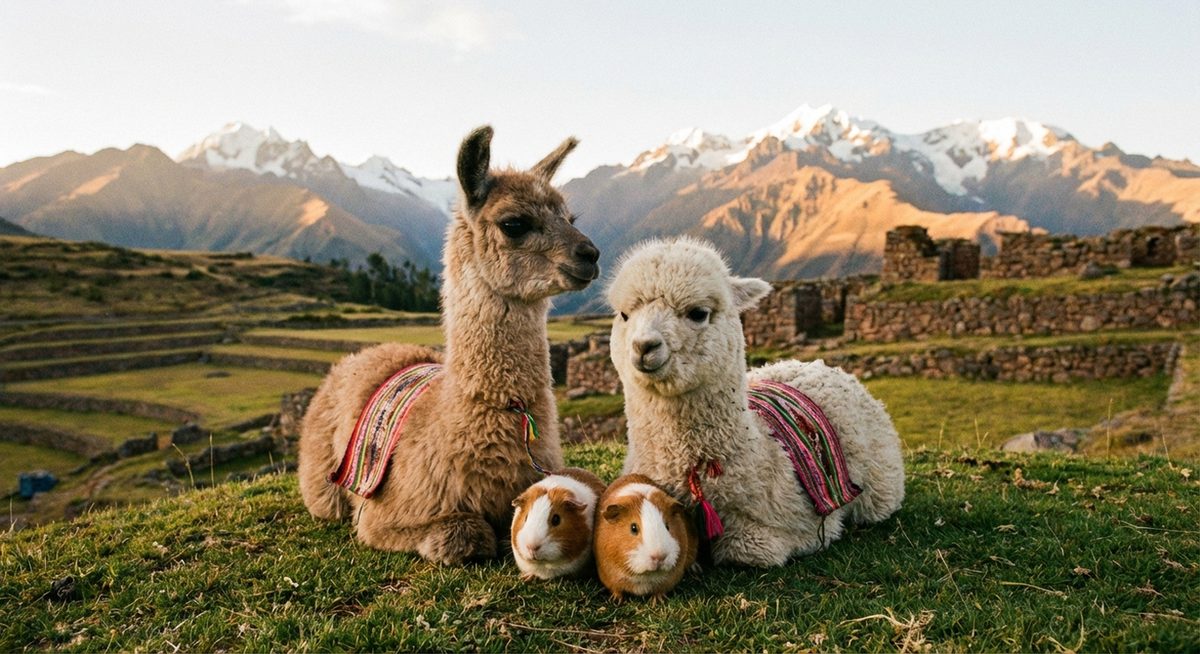
1. Llama
No list of animals native to Peru would be complete without the llama. These gentle, long-necked camelids have been domesticated in the Andes for over 5,000 years and remain one of the most recognizable symbols of the country. With their soft wool, expressive eyes, and slightly goofy overbite, llamas are impossibly photogenic.
Where to find them: Llamas roam freely around Cusco, Ollantaytambo, and throughout the Sacred Valley. You will also spot them near Machu Picchu, where a small herd wanders the ruins.
Fun fact: Llamas are social animals that hum to communicate with each other. They also serve as effective guard animals for sheep flocks across the highlands.
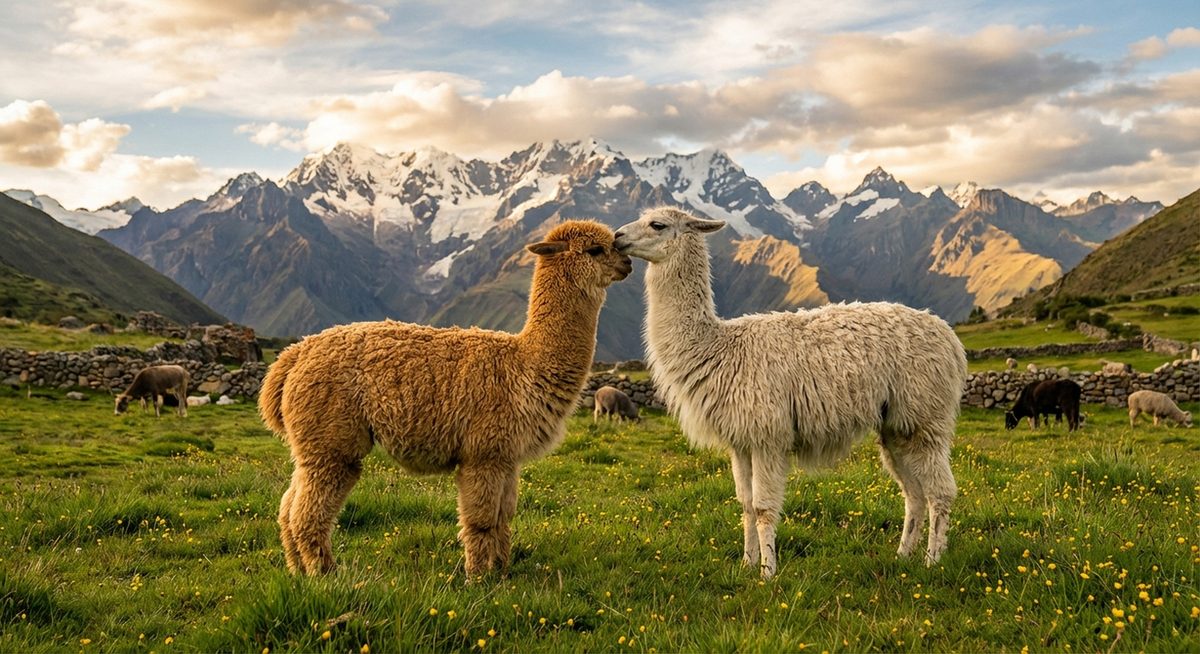
2. Alpaca
Smaller and fluffier than their llama cousins, alpacas are arguably the cutest animals from Peru. Their dense, cloud-like fleece comes in over 20 natural colors, and their round faces framed by tufts of wool give them a permanently endearing expression. Peru is home to roughly 80 percent of the world's alpaca population.
Where to find them: The altiplano near Puno and Lake Titicaca has the highest concentration. You will also encounter large herds in the Colca Valley and near Arequipa.
Fun fact: Alpaca fiber is warmer than sheep's wool, hypoallergenic, and incredibly soft. Peruvian artisans have been weaving with it for millennia.
3. Vicuña — Peru's National Animal
If you have ever wondered what is Peru's national animal, the answer is the vicuña. This elegant, slender camelid appears on the Peruvian coat of arms and produces the finest natural fiber in the world. Vicuñas are wild and cannot be domesticated, which makes them all the more special. Their delicate build, cinnamon-and-white coloring, and graceful movements make them a breathtaking sight against the backdrop of the high Andes.
Where to find them: The Pampa Galeras National Reserve in Ayacucho is the best place to observe vicuñas in large numbers. They also inhabit grasslands above 3,800 meters across the southern highlands.
Fun fact: Vicuña wool is so fine and rare that a single scarf can cost over $1,500. The Inca reserved vicuña garments exclusively for royalty.
4. Guinea Pig (Cuy)
Known as cuy in Peru, the guinea pig holds a unique place in Peruvian culture. These round, squeaky little rodents have been domesticated in the Andes for over 3,000 years and are still raised in homes throughout the highlands. With their twitching noses and pudgy bodies, guinea pigs are undeniably cute animals in Peru. To learn more about their role in Peruvian life, read our deep dive on guinea pigs as the ultimate Peruvian pet.
Where to find them: Visit any local home or market in Cusco, Huancayo, or Ayacucho. Many traditional restaurants keep them in their kitchens.
Fun fact: Peruvians consume an estimated 65 million guinea pigs per year. A famous painting of the Last Supper in Cusco's cathedral shows Jesus and his disciples dining on cuy.
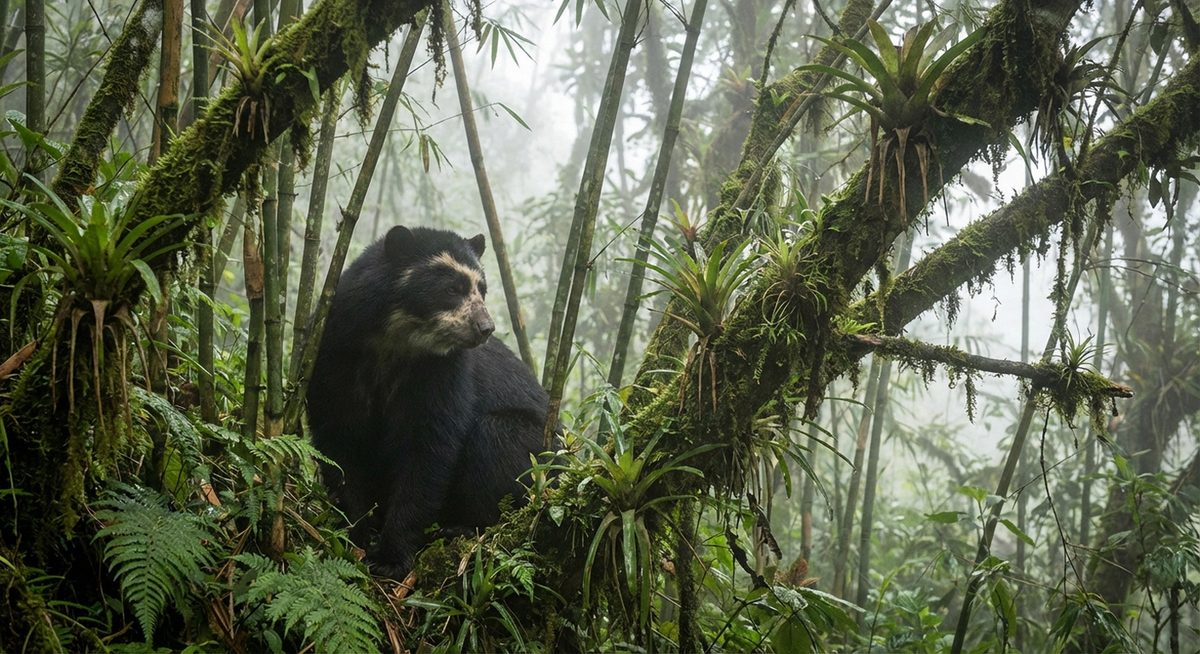
5. Spectacled Bear
South America's only bear species, the spectacled bear gets its name from the distinctive markings around its eyes that resemble eyeglasses. Despite being the continent's largest land carnivore, spectacled bears are primarily herbivorous and surprisingly shy. Their round ears and expressive facial patterns make them one of the most endearing animals native to Peru.
Where to find them: Cloud forests on the eastern slopes of the Andes, particularly in Manu National Park and the Santuario Histórico de Machu Picchu. The Chaparrí Ecological Reserve in Lambayeque offers dedicated bear-watching tours.
Fun fact: The spectacled bear inspired the character of Paddington Bear. Author Michael Bond chose Peru as Paddington's homeland after learning about these gentle creatures.
6. Jaguar
While "cute" might not be the first word that comes to mind, jaguar cubs are irresistibly adorable with their oversized paws and spotted coats. Even adult jaguars possess a majestic beauty that captivates anyone lucky enough to spot one. The jaguar is the largest cat in the Americas and one of the most powerful animals from Peru.
Where to find them: The lowland rainforests of Madre de Dios, particularly around Manu National Park and the Tambopata National Reserve. Sightings are rare but possible along riverbanks at dawn and dusk. The surrounding tropical rainforest plants create the dense cover these cats depend on.
Fun fact: Jaguars have the strongest bite force relative to size of any big cat. They can bite through turtle shells and caiman skulls.
7. Pygmy Marmoset
The pygmy marmoset is the smallest monkey in the world, weighing just 100 grams and fitting comfortably in the palm of your hand. These tiny primates have expressive faces, silky fur, and a curious nature that makes them irresistible. When people ask what animal is Peru known for in the Amazon, the pygmy marmoset frequently tops the list.
Where to find them: The lowland Amazon basin near Iquitos and along tributaries of the Amazon River. They prefer riverine forests where they can feed on tree sap. Learn more about their habitat in our guide to the Peruvian Amazon.
Fun fact: Pygmy marmosets can rotate their heads 180 degrees and leap up to 5 meters between branches despite their tiny size.
8. Andean Condor
With a wingspan exceeding three meters, the Andean condor is one of the largest flying birds on the planet. While massive and powerful, condors have a dignified, almost regal presence that many find deeply endearing. Their white neck ruff and distinctive red comb give them a striking appearance among Peru animals.
Where to find them: The Colca Canyon near Arequipa is the most famous condor-watching site in the world. The Cruz del Cóndor viewpoint offers close-up views as they ride thermal currents at eye level. For more on Peruvian birdlife, see our bird watching in Peru guide.
Fun fact: Andean condors can soar for hours without flapping their wings. They have been recorded flying at altitudes above 5,500 meters.
9. Andean Cock-of-the-Rock
Peru's national bird is a visual stunner. The male Andean cock-of-the-rock sports a brilliant orange-red plumage and a dramatic fan-shaped crest that covers nearly its entire head. Watching males perform their elaborate mating dance at a communal lek is one of the most unforgettable wildlife experiences in South America. We have an entire article dedicated to the Andean cock-of-the-rock in Peru.
Where to find them: Cloud forests between 500 and 2,400 meters elevation. The Manu Road from Cusco to the Amazon lowlands is one of the best spots, along with the Huembo Conservation Center near Chachapoyas.
Fun fact: Female cock-of-the-rocks are brown and plain. They observe the dancing males and choose their mate based purely on the quality of his performance.
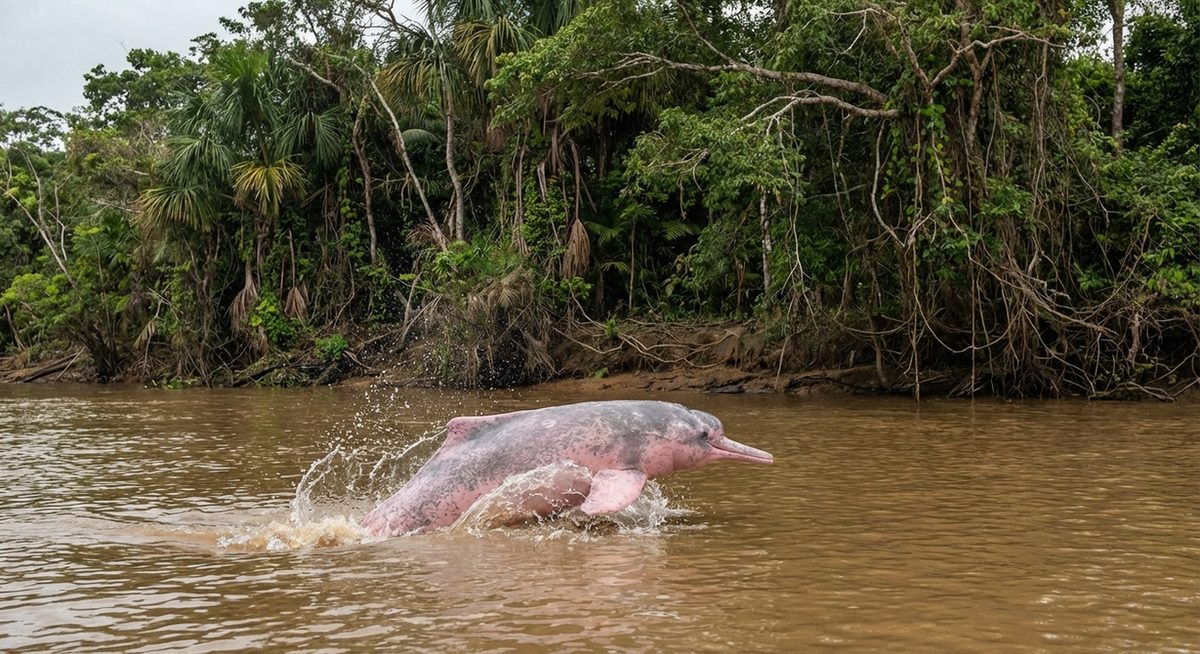
10. Pink River Dolphin
The Amazon pink river dolphin, or boto, is one of the most magical animals in Peru. These freshwater dolphins can grow over two meters long and range from grey to bright pink. Their bulbous foreheads and permanent "smiles" give them an unmistakably friendly appearance that delights visitors on river excursions.
Where to find them: The Pacaya-Samiria National Reserve near Iquitos is the top destination. They also inhabit stretches of the Ucayali and Marañón rivers.
Fun fact: In Amazonian folklore, pink dolphins are believed to transform into handsome men at night to seduce women at village festivals. Locals call them bufeo colorado.
11. Chinchilla
With their oversized ears, plush fur, and bushy tails, chinchillas look like living stuffed animals. These nocturnal rodents are native to the Andes and have the densest fur of any land mammal, with up to 20,000 hairs per square centimeter. Once hunted nearly to extinction for the fur trade, wild chinchillas are now critically endangered.
Where to find them: Wild chinchillas are extremely rare in Peru today. Your best chance is in rocky, arid habitats above 3,000 meters in the southern Andes, though sightings are uncommon. Domestic chinchillas can be seen at breeding farms near Arequipa.
Fun fact: Chinchillas take dust baths instead of water baths. They roll in volcanic ash to keep their dense fur clean and free of parasites.
12. Pudú Deer
The pudú is the world's smallest deer, standing just 30 to 40 centimeters tall at the shoulder. These diminutive creatures look like fawns their entire lives, with round bodies, short legs, and large dark eyes. The southern pudú inhabits the temperate forests of southern Peru and is one of the rarest animals of Peru to encounter in the wild.
Where to find them: Dense forests and bamboo thickets in the southern Andes, particularly in cloud forest habitats. They are secretive and solitary, making sightings a true privilege.
Fun fact: When frightened, pudús bark like small dogs. They can also climb fallen trees to reach leaves and fruit.
13. Yellow-Tailed Woolly Monkey
Endemic to Peru and found nowhere else on Earth, the yellow-tailed woolly monkey is one of the rarest primates in the world. Their thick, dark fur, expressive faces, and prehensile tails tipped with golden yellow fur make them utterly captivating. Fewer than 250 individuals are estimated to remain in the wild.
Where to find them: The cloud forests of northern Peru, particularly in the regions of Amazonas and San Martín. The Alto Mayo Protection Forest and areas around Chachapoyas offer the best chances.
Fun fact: Yellow-tailed woolly monkeys were thought to be extinct until they were rediscovered in 1974. They use their strong tails as a fifth limb to navigate the forest canopy.
14. Peruvian Hairless Dog
The Peruvian hairless dog, or perro sin pelo del Perú, is an ancient breed depicted in Moche and Chimú pottery dating back over 2,000 years. With their warm, smooth skin, alert ears, and loving temperament, these dogs are a national treasure and one of only a handful of hairless dog breeds in the world. Thinking about getting one? Read our list of 31 reasons to adopt a Peruvian hairless dog.
Where to find them: Peruvian hairless dogs are kept at many archaeological sites including Huaca Pucllana and Huaca Huallamarca in Lima. Breeders operate throughout the country.
Fun fact: In pre-Columbian Peru, hairless dogs were believed to have healing powers. Their elevated body temperature (about 3 degrees warmer than other dogs) was used as a natural hot-water bottle for joint pain.
15. Tree Frog
Peru's rainforests are home to hundreds of frog species, many displaying brilliant colors that seem almost too vivid to be real. Poison dart frogs in electric blue, neon orange, and strawberry red are among the most visually stunning animals native to Peru. Their tiny size, rarely exceeding 5 centimeters, only adds to their charm.
Where to find them: The Tambopata National Reserve and Manu National Park in southeastern Peru are hotspots. Night walks with guides reveal dozens of species perched on leaves and branches in the tropical rainforest.
Fun fact: The bright colors of poison dart frogs warn predators of their toxicity. Indigenous communities have used the secretions of certain species to poison blowgun darts for hunting.
16. Hummingbird
Peru is home to over 120 species of hummingbirds, more than almost any other country. These iridescent jewels of the bird world hover in midair, their wings beating up to 80 times per second. From the giant hummingbird of the highlands to the tiny woodstar of the cloud forests, Peruvian hummingbirds are a constant source of wonder. Hummingbirds are a highlight for anyone interested in bird watching in Peru.
Where to find them: Hummingbird feeders at lodges throughout the Sacred Valley and Manu Road attract dozens of species. The Wayqecha Biological Station and Cock-of-the-Rock Lodge are particularly rewarding spots.
Fun fact: The Nazca Lines, Peru's famous geoglyphs visible only from the air, include a 90-meter-long hummingbird figure that has endured for over 1,500 years.
17. Sea Otter
The marine otter, locally called chungungo, patrols the rocky shores of Peru's Pacific coast. Smaller than their North American relatives, these otters have dense, waterproof fur and playful personalities. Watching them crack open shellfish on their bellies or chase each other through kelp beds is pure joy and a fitting end to our tour of what animals live in Peru.
Where to find them: The Paracas National Reserve and the Islas Ballestas along the southern coast are prime otter habitat. They also occur in rocky coves near Pisco and Ica.
Fun fact: Marine otters are one of the rarest otter species in the world. Peru's population is estimated at fewer than 1,000 individuals, making every sighting special.
Where to See These Adorable Peru Animals
Peru's extraordinary biodiversity means that animals from Peru span virtually every ecosystem on the continent. Here is a quick regional breakdown to help you plan your wildlife encounters:
- Andes Highlands (above 3,000 m): Llamas, alpacas, vicuñas, chinchillas, Andean condors
- Cloud Forests (1,000–3,000 m): Spectacled bears, cock-of-the-rock, yellow-tailed woolly monkeys, pudú deer
- Amazon Lowlands: Jaguars, pygmy marmosets, pink river dolphins, tree frogs, hummingbirds
- Pacific Coast: Sea otters, Peruvian hairless dogs
- Everywhere: Guinea pigs (in homes and markets across the highlands)
For a comprehensive overview, our guide to must-see animals in Peru covers even more species across every region.
Conservation: Protecting Peru's Cutest Wildlife
Many of the animals of Peru featured on this list face serious threats from habitat loss, poaching, and climate change. The yellow-tailed woolly monkey and chinchilla are critically endangered, while spectacled bears and jaguars are classified as vulnerable. Peru has established an impressive network of national parks and reserves to protect its wildlife, but ongoing conservation efforts depend on sustainable tourism and local community engagement.
As a visitor, you can help by choosing responsible tour operators, never purchasing products made from endangered species, and supporting community-based conservation projects. Every tourist who visits Manu, Tambopata, or the Colca Canyon contributes directly to the economic case for preserving these habitats.
Frequently Asked Questions About Animals in Peru
What is Peru's national animal?
Peru's national animal is the vicuña, a wild camelid that lives in the high Andes above 3,800 meters. The vicuña appears on Peru's coat of arms and national flag. It produces the finest natural fiber in the world and was sacred to the Inca civilization.
What animals live in Peru?
Peru is home to over 500 mammal species, 1,800 bird species, 400 reptile species, and thousands of insects and amphibians. Notable animals in Peru include llamas, alpacas, jaguars, spectacled bears, Andean condors, pink river dolphins, and the pygmy marmoset, the world's smallest monkey.
What animal is Peru known for?
Peru is best known for the llama and alpaca, which have been domesticated in the Andes for thousands of years. The vicuña (Peru's national animal) and the Andean condor are also iconic. In the Amazon region, Peru is famous for its pink river dolphins and extraordinary diversity of primates and birds.
Are there dangerous animals in Peru?
Yes, Peru has some dangerous animals including jaguars, venomous snakes like the fer-de-lance and bushmaster, poison dart frogs, piranhas, and caimans. However, attacks on humans are extremely rare. Most dangerous wildlife inhabits remote areas of the Amazon basin and avoids human contact.
Can you see wild llamas in Peru?
Llamas in Peru are domesticated, not wild. However, they roam freely in many areas and behave semi-wild across the Andes highlands. Their wild relatives, the vicuña and guanaco, can be seen in protected reserves like Pampa Galeras in Ayacucho.
Where is the best place to see wildlife in Peru?
The Tambopata National Reserve and Manu National Park in the Amazon basin offer the greatest wildlife diversity. For highland species like condors, the Colca Canyon near Arequipa is unbeatable. The Paracas National Reserve on the coast is excellent for marine life including sea otters and seabirds.
Why do Peruvians eat guinea pigs?
Guinea pigs, called cuy, have been a traditional protein source in the Andes for over 3,000 years. They are easy to raise, reproduce quickly, and provide lean meat high in protein. Eating cuy is deeply embedded in Peruvian highland culture and is considered a delicacy served at celebrations and festivals.
Are there monkeys in Peru?
Peru has over 50 species of primates, making it one of the most primate-rich countries in the world. Species include the pygmy marmoset (the world's smallest monkey), howler monkeys, spider monkeys, tamarins, and the critically endangered yellow-tailed woolly monkey, which is found only in Peru.
What is the rarest animal in Peru?
The yellow-tailed woolly monkey is considered one of Peru's rarest animals, with fewer than 250 individuals remaining in the wild. Other extremely rare species include the Andean cat, the white-bellied spider monkey, and the short-eared dog, an elusive canid found only in the Amazon basin.
Can you hold a baby alpaca in Peru?
Some ethical farms and sanctuaries in the Cusco and Sacred Valley region allow visitors to interact with baby alpacas under supervised conditions. Always choose operators that prioritize animal welfare. Avoid any attraction that keeps animals in poor conditions or forces them into unnatural interactions for tourist photos.
Final Thoughts on Peru's Cutest Animals
From the vicuña grazing at 4,000 meters to the pygmy marmoset clinging to a vine deep in the Amazon, Peru animals represent one of the most diverse and captivating collections of wildlife on the planet. Whether you are drawn to the fluffy charm of alpacas, the ancient mystique of the Peruvian hairless dog, or the kaleidoscopic colors of Amazonian tree frogs, Peru delivers unforgettable animal encounters at every turn.
Planning your wildlife trip? Start with our guide to the must-see animals in Peru, explore the Peruvian Amazon, or discover the best bird watching spots in Peru. Whatever path you choose, the cutest animals in Peru will be waiting.