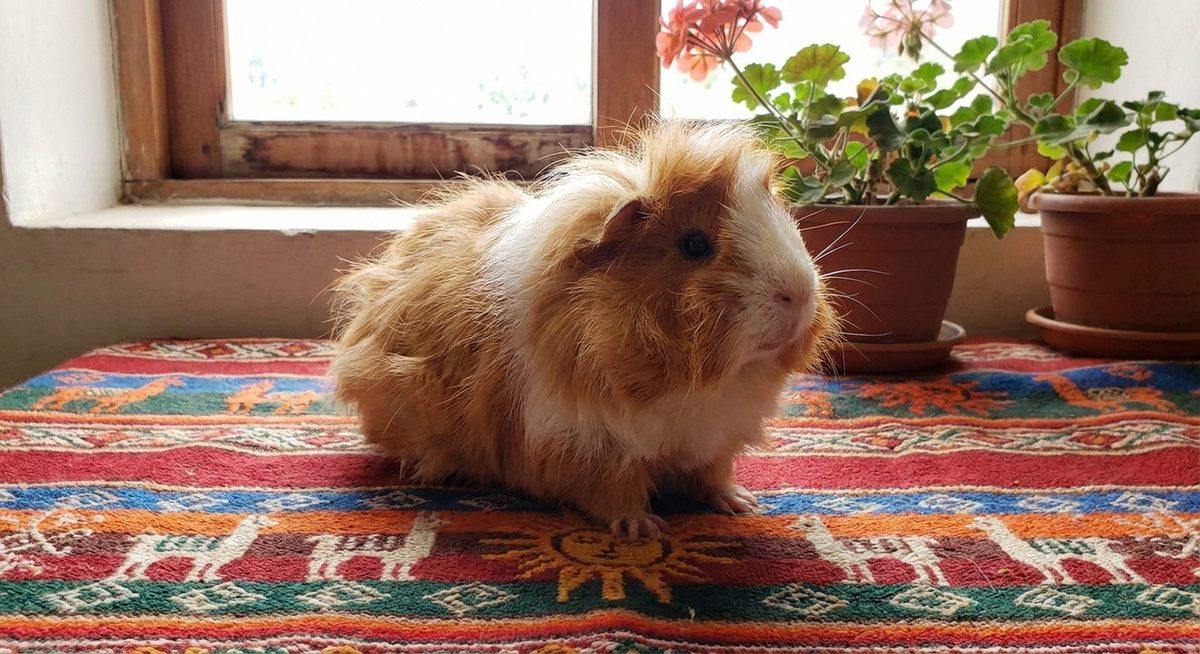
Guinea Pigs: The Ultimate Peruvian Pet and Their Surprising Cultural Legacy
Few animals hold as unique a place in a nation's identity as the guinea pig does in Peru. Known locally as cuy (pronounced "kwee"), this small, gentle rodent has been a cornerstone of Andean life for over five thousand years. While much of the Western world knows guinea pigs exclusively as cuddly household pets, in Peru they occupy a far more complex role — serving as a source of nutrition, a participant in spiritual healing rituals, and a beloved companion all at once. Understanding the guinea pig in Peru means understanding a living thread that connects modern Peruvian culture to its ancient pre-Columbian roots.
Whether you are a traveler planning a trip to the Andes, a guinea pig enthusiast curious about the animal's origins, or simply someone fascinated by cultural traditions, this guide covers everything you need to know about the remarkable relationship between Peru and its most iconic small animal.
A 5,000-Year History: How Guinea Pigs Were Domesticated in Peru
The domestication of the guinea pig (Cavia porcellus) is one of the oldest examples of animal husbandry in the Americas. Archaeological evidence from sites in the Andes — particularly in the Junín region and the Ayacucho Basin — confirms that indigenous peoples began keeping wild cavies as early as 5000 BCE. These early Andean communities recognized the guinea pig's rapid reproduction cycle, docile temperament, and efficient ability to convert plant scraps into protein.
Unlike cattle or sheep, guinea pigs required no pasture land. Families raised them inside their homes, often in the kitchen area near the hearth where warmth and food scraps were plentiful. This practice persists in many rural Andean households today, where you can still find cuyes scurrying across earthen kitchen floors, feeding on alfalfa, vegetable peels, and grains.
By the time of the Inca Empire (1438–1533 CE), guinea pigs had become deeply embedded in Andean society. The Incas bred selectively for size, coat color, and temperament. Certain coat patterns held religious significance: solid white guinea pigs were prized for ceremonial sacrifices, while spotted or multicolored cuyes were associated with different spiritual meanings. Inca artisans depicted guinea pigs in pottery, textiles, and metalwork — a testament to the animal's cultural importance.
Spanish conquistadors who arrived in the 16th century were fascinated by these creatures and brought them back to Europe, where they eventually became popular pets. The name "guinea pig" likely derives from the animals being sold for a guinea (an old English coin) at European markets, though the exact etymology remains debated.
Cuy as Traditional Peruvian Cuisine: A Delicacy With Deep Roots
For many visitors, the idea of eating guinea pig is startling. But in Peru, cuy is not merely food — it is a revered culinary tradition that dates back millennia and remains a point of genuine cultural pride. Guinea pig meat is lean, high in protein, and low in cholesterol, making it nutritionally superior to many conventional meats.
The two most famous preparations are:
- Cuy al horno — Oven-roasted guinea pig, typically marinated in a blend of garlic, cumin, ají panca (Peruvian red pepper), and huacatay (black mint). The cuy is roasted whole until the skin turns golden and crispy, served alongside potatoes and corn. This is the most common preparation in Cusco and the Sacred Valley.
- Cuy chactado — A specialty of Arequipa, where the guinea pig is flattened under a heavy stone and deep-fried until the entire animal becomes extraordinarily crispy. It is served with rocoto peppers, potatoes, and a fresh salad. The dish is a staple at picanterías, traditional Arequipeño restaurants.
Other regional preparations include cuy relleno (stuffed guinea pig), popular in Huancayo, and pepián de cuy, a stew from Cajamarca. In Lima's upscale gastronomy scene, chefs have reinvented cuy with contemporary presentations — cuy confit, cuy tacos, and deconstructed cuy dishes appear on menus at some of the capital's most acclaimed restaurants.
Peru produces an estimated 65 million guinea pigs annually for consumption, with the vast majority raised in small family operations in the highlands. The government has actively promoted cuy farming as a sustainable protein source, particularly for rural communities, through programs that improve breeding stock and husbandry techniques.
Guinea Pigs in Andean Spiritual Practices
Beyond the kitchen and the home, guinea pigs play a fascinating role in traditional Andean medicine and spirituality. The practice of soba de cuy (guinea pig rubbing) is a healing ritual still performed by curanderos (traditional healers) throughout the Peruvian highlands.
During a soba de cuy, a live guinea pig — usually black — is rubbed over the body of a sick person. Practitioners believe the animal absorbs the illness or negative energy from the patient. Afterward, the guinea pig is examined (sometimes opened and its organs inspected) to diagnose the ailment. Curanderos interpret the condition of the guinea pig's internal organs as indicators of the patient's health issues.
While this practice may seem unusual to outsiders, it reflects a broader system of Andean cosmology that views animals, plants, and the natural world as deeply interconnected with human wellbeing. Similar spiritual traditions involving animals and natural elements exist across Andean culture — for instance, the use of ayahuasca in ceremonial healing practices represents another dimension of this holistic worldview.
The Catholic Church, upon arriving in Peru, attempted to suppress many indigenous practices but largely failed to eradicate the soba de cuy. Today, the ritual coexists alongside modern medicine, with many Peruvians — particularly in rural areas — consulting both a doctor and a curandero when facing illness.
Pet vs. Food: Understanding the Cultural Perspective
One of the most common questions tourists ask is: "How can Peruvians keep guinea pigs as pets and also eat them?" The answer lies in understanding that Peru's relationship with the cuy does not fit neatly into Western categories.
In the Andean worldview, animals serve multiple roles simultaneously. A family might raise a group of cuyes in their kitchen, feeding them daily, naming some of them, and allowing children to play with them — while also understanding that certain animals will eventually become food for a special occasion. This is not seen as contradictory; it reflects a pragmatic and deeply respectful relationship with animals that predates European contact.
In urban Peru, particularly in Lima and other coastal cities, the distinction has become sharper. Many younger, urban Peruvians keep guinea pigs purely as pets, housing them in cages with bedding and toys much like their counterparts in North America or Europe. Pet shops in Lima sell a wide variety of guinea pig breeds, accessories, and specialized food.
Meanwhile, in the highlands, the traditional dual role persists. Guinea pigs remain one of the cutest animals you will encounter in Peru, and they are simultaneously one of the most important protein sources for Andean families. Peru is, after all, a country of remarkable biodiversity and cultural complexity — it is home to creatures ranging from tiny cuyes to the spectacular wildlife of the Amazon basin and the Andes.
Guinea Pig Festivals and Competitions in Peru
Peru hosts several festivals dedicated entirely to the guinea pig, celebrating the animal's cultural and economic importance.
The most famous is the Festival del Cuy, held annually in several Andean towns. In Churin (Lima region) and Huacho, these festivals feature guinea pig beauty contests, racing competitions, and elaborate costume displays where cuyes are dressed in miniature traditional outfits — tiny ponchos, hats, and even formal wear. Cooking competitions showcase the best cuy preparations from local chefs.
In Cusco, the Feria del Cuy takes place as part of broader agricultural fairs. Breeders from across the region bring their finest specimens to compete for prizes in categories like largest cuy, best coat color, and healthiest breeding stock. These events serve a practical purpose too: they encourage genetic improvement and knowledge sharing among small-scale farmers.
The town of Huaycán de Cieneguilla, near Lima, holds an annual guinea pig festival that attracts thousands of visitors from the capital. It combines guinea pig racing, traditional music and dance, and a food fair where dozens of vendors serve cuy prepared in every conceivable way.
Perhaps the most striking cultural tribute is found inside Cusco's Cathedral, where a famous painting of the Last Supper by Marcos Zapata depicts Jesus and his apostles dining on — you guessed it — cuy. This 17th-century painting is one of Peru's most photographed artworks and perfectly encapsulates how deeply the guinea pig is woven into Peruvian identity.
Breeds and Varieties of Guinea Pigs in Peru
Peru is home to several distinct guinea pig breeds, many of which have been developed through centuries of selective breeding:
- Type 1 (Criollo) — The native Peruvian breed, smaller and hardier than commercial varieties. Criollos have been bred for thousands of years and are well-adapted to highland conditions. They are the most common type found in traditional kitchens.
- Type 2 (Improved/Mejorado) — Developed through government breeding programs at Peru's National Institute of Agricultural Innovation (INIA). These guinea pigs grow faster and larger than criollos, reaching up to 1.5 kg in 8–10 weeks.
- Peruvian (Angora) — A long-haired breed prized internationally as a show animal. Despite its name, this breed was actually refined in European breeding programs from Peruvian stock. Its silky, flowing coat can grow over 30 cm long.
- Línea Perú — The most commercially successful breed, developed by INIA specifically for meat production. It reaches market weight faster than any other variety and has excellent feed conversion rates.
- Línea Inti — Another INIA breed optimized for reproductive performance, known for larger litter sizes and good mothering instincts.
In rural areas, you will also encounter wild cavies (Cavia tschudii), the ancestor of the domesticated guinea pig. These smaller, more agile animals live in grasslands and rocky areas throughout the Andes. Spotting them in the wild is a treat for nature lovers — just one of many memorable wildlife watching experiences Peru offers.
Nutrition and Diet: What Guinea Pigs Eat in Peru and Beyond
Whether raised as pets or for food, guinea pigs thrive on a diet rich in fiber and vitamin C. In traditional Peruvian households, cuyes are fed alfalfa (the preferred feed), along with barley, corn husks, vegetable scraps, and various Andean grasses. Farmers in the highlands often grow alfalfa specifically to feed their guinea pigs.
For pet guinea pigs, a balanced diet should include:
- Timothy hay — The foundation of a healthy diet, providing essential fiber for digestion and dental health. It should be available at all times.
- Fresh vegetables — Bell peppers, romaine lettuce, cucumber, and cilantro are excellent daily options. Dark leafy greens like kale should be given in moderation due to their calcium content.
- Fresh fruits — Offered sparingly as treats due to sugar content. Strawberries, blueberries, apple slices (without seeds), and small pieces of citrus fruit are all suitable.
- Vitamin C supplementation — Guinea pigs, like humans, cannot produce their own vitamin C. Bell peppers are one of the best natural sources, but supplements can be added to water or given as tablets.
- Quality pellets — A small daily portion of timothy-based pellets formulated for guinea pigs rounds out the diet.
Peru's incredible plant diversity, including the vast variety of tropical rainforest plants, means that guinea pigs in different regions have access to a remarkably varied diet. Highland cuyes benefit from nutrient-rich Andean grasses, while those raised in warmer valley areas may be fed tropical fruits and vegetables.
Where to See Guinea Pigs in Peru
If you want to experience guinea pig culture firsthand during your trip to Peru, here are the best places to look:
- Cusco's San Pedro Market — The central market in Cusco has stalls selling live guinea pigs and prepared cuy dishes. It is a vibrant, authentic experience and one of many reasons Cusco ranks among the top destinations in Peru.
- Rural homestays in the Sacred Valley — Many community tourism programs in Ollantaytambo, Chinchero, and Pisac allow visitors to stay with local families and observe (or participate in) traditional cuy raising.
- Arequipa's picanterías — For the best cuy chactado, head to traditional restaurants in Arequipa's Cayma or Sachaca districts.
- Cusco Cathedral — See the iconic Last Supper painting featuring cuy, located in the Plaza de Armas.
- Huancayo and the Mantaro Valley — This central highland region is one of Peru's largest cuy-producing areas. The weekly market in Huancayo features live guinea pig sales alongside handicrafts and produce.
- INIA research stations — Peru's agricultural research centers occasionally open their guinea pig breeding facilities to visitors, offering insight into modern cuy farming practices.
Peru's diverse environments — from the high Andes to the depths of the Amazon rainforest — create a country where encounters with extraordinary animals are part of daily life. The guinea pig is just one chapter in Peru's remarkable story of biodiversity and human-animal relationships. Animal lovers visiting Peru might also be interested in the Peruvian hairless dog, another uniquely Peruvian creature with deep historical roots.
The Future of Guinea Pigs in Peru
Today, guinea pig farming is experiencing a renaissance in Peru. The government and NGOs are investing in improved breeding programs, better housing facilities, and marketing campaigns to promote cuy as an internationally competitive protein source. Some Peruvian entrepreneurs have begun exporting processed cuy meat to Peruvian diaspora communities in the United States, Spain, and Japan.
At the same time, the pet guinea pig industry is booming in urban Peru. Social media accounts dedicated to pet cuyes have massive followings, and guinea pig cafés — modeled after the cat café concept — have begun appearing in Lima. This dual evolution, where guinea pigs simultaneously gain status as cherished pets and as a sustainable food source, reflects the broader dynamism of contemporary Peruvian culture.
Whether you encounter a cuy at a bustling Andean market, in a curandero's healing ceremony, or curled up on a child's lap in a Lima apartment, you are witnessing an animal whose story is inseparable from the story of Peru itself.
Frequently Asked Questions About Guinea Pigs in Peru
Do people in Peru eat guinea pigs?
Yes, eating guinea pig (called cuy) is a longstanding tradition in Peru that dates back over 5,000 years. It is considered a delicacy, particularly in the Andean highlands around Cusco, Arequipa, and Huancayo. Cuy is typically served roasted whole (cuy al horno) or flattened and fried (cuy chactado). It is high in protein, low in fat, and is an important nutritional source for millions of Peruvians. The practice is a point of cultural pride, not something Peruvians are embarrassed about.
What is cuy in Peru?
Cuy is the Spanish word used in Peru and other Andean countries for the domesticated guinea pig (Cavia porcellus). The word comes from the Quechua language and imitates the squeaking sound the animal makes. In Peru, cuy refers both to the live animal and to the prepared dish. When you see "cuy" on a restaurant menu, it means guinea pig — typically roasted, fried, or stewed, and served whole with potatoes and Andean herbs.
Can guinea pigs eat cuties?
Yes, guinea pigs can safely eat cuties (clementines) in small amounts. Cuties are a type of mandarin orange that provides vitamin C, which guinea pigs need since they cannot produce it on their own. However, citrus fruits are high in sugar and acidity, so they should be given only as an occasional treat — no more than one or two small segments once or twice a week. Remove any seeds and peel before offering. Too much citrus can cause mouth sores or digestive upset in guinea pigs.
How much does cuy cost in Peru?
A full plate of cuy at a restaurant in Cusco or Arequipa typically costs between 35 and 80 Peruvian soles (roughly $9–$21 USD), depending on the restaurant and preparation style. In rural markets, a live guinea pig for home cooking costs around 15–30 soles ($4–$8 USD). At upscale restaurants in Lima, gourmet cuy dishes can cost 60–120 soles ($16–$32 USD). Cuy is generally considered a special-occasion food rather than an everyday meal, especially in urban areas.
What does guinea pig taste like?
Guinea pig meat is often compared to rabbit or dark-meat chicken, with a slightly gamey flavor and a richer taste than poultry. The meat is lean and tender, with a distinctive flavor that comes from the animal's herbivorous diet. The skin, when properly roasted or fried, becomes extremely crispy — similar to crispy pork skin or chicharrón. Most first-time tasters are pleasantly surprised by the flavor. The key to good cuy is the preparation: well-marinated and properly cooked cuy is genuinely delicious.
Are guinea pigs native to Peru?
Yes, guinea pigs are originally native to the Andean region of South America, including what is now Peru, Bolivia, Ecuador, and Colombia. The wild ancestor of the domesticated guinea pig (Cavia tschudii) still lives in the grasslands and rocky areas of the Andes. Peru is considered the primary center of guinea pig domestication, with archaeological evidence from the Junín region and Ayacucho Basin dating the practice to approximately 5000 BCE — making it one of the earliest examples of animal domestication in the Americas.
How long do guinea pigs live?
Pet guinea pigs typically live between 5 and 7 years, though some individuals have been known to reach 8 or even 10 years with excellent care. Guinea pigs raised for food in Peru usually reach market weight at 2–3 months of age. Factors that affect lifespan include diet (adequate vitamin C is critical), housing conditions, genetics, and veterinary care. Guinea pigs are social animals and tend to be healthier and live longer when kept in pairs or small groups rather than alone.
Is it legal to eat guinea pig outside Peru?
In most countries, there are no specific laws prohibiting the consumption of guinea pig meat. In the United States, guinea pig meat is available in some specialty markets and restaurants, particularly in areas with large Peruvian or Ecuadorian communities (New York, Los Angeles, Miami). In the European Union, regulations regarding novel foods can make commercial sale more complex, but personal consumption is generally not restricted. Australia is an exception where importing guinea pig meat is banned due to strict biosecurity laws.
What is the guinea pig healing ritual in Peru?
The soba de cuy (guinea pig rubbing) is a traditional Andean healing ritual where a curandero (healer) rubs a live guinea pig — usually a black one — over the body of a patient. The belief is that the guinea pig absorbs the illness or negative energy. The healer then examines the guinea pig, sometimes opening it to inspect its organs, which they interpret as diagnostic indicators of the patient's condition. This practice has pre-Columbian origins and is still widely practiced in rural highland communities alongside modern medicine.
Can I bring a guinea pig home from Peru as a pet?
While it is technically possible to bring a live guinea pig from Peru to some countries, it involves significant bureaucratic hurdles including veterinary health certificates, USDA (or equivalent) import permits, and quarantine requirements. Most countries require a health certificate issued by Peru's SENASA (agricultural health authority) within days of travel. In practice, it is much easier and less stressful for the animal to adopt a guinea pig from a local breeder or rescue organization in your home country. Many of the breeds available internationally descend from Peruvian stock.