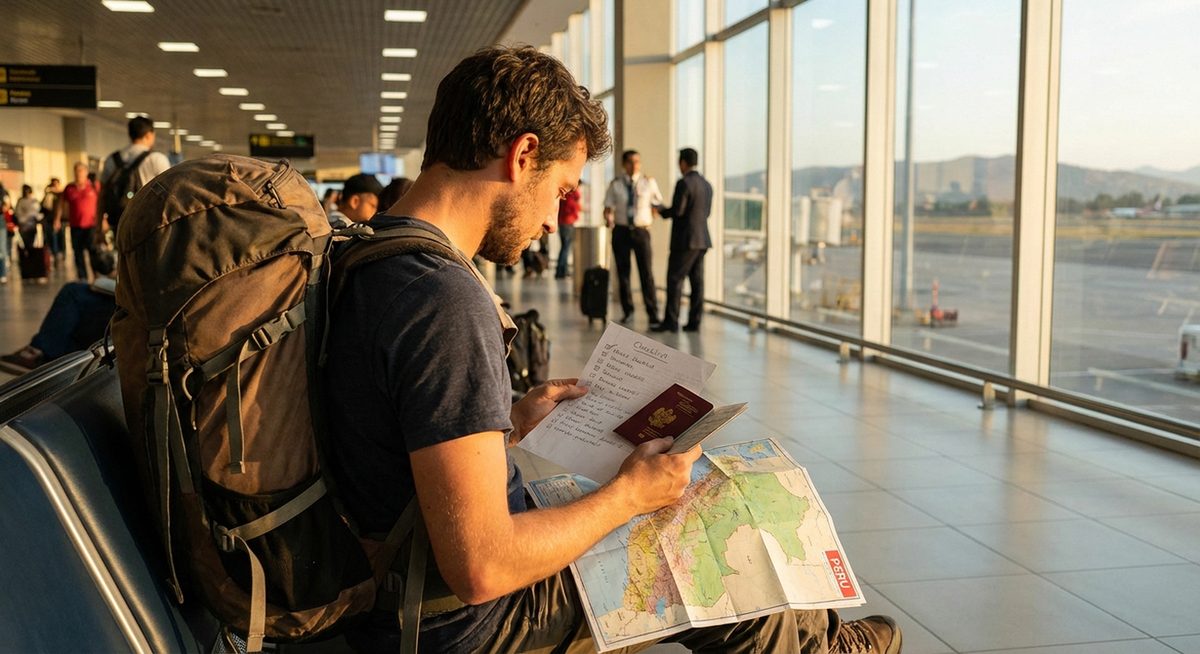
8 Essential Things You Must Know Before Traveling to Peru for the First Time
Peru is one of the most diverse and rewarding travel destinations in South America, but arriving unprepared can turn an incredible adventure into a frustrating experience. Whether you are drawn by the ancient ruins of Machu Picchu, the culinary scene in Lima, or the vast biodiversity of the Amazon, understanding a few practical realities before you board that plane will make all the difference. These are the eight most important things to know before traveling to Peru, drawn from years of firsthand experience living in and exploring this extraordinary country.
1. Visa Requirements and Entry Rules for Peru
Citizens of most Western countries, including the United States, Canada, the United Kingdom, Australia, and all EU member states, do not need a visa to enter Peru for tourism purposes. You will receive a stamp in your passport at immigration allowing you to stay for up to 183 days (approximately six months). This is generous compared to many other countries in the region.
However, there are several important details travelers often overlook. Your passport must be valid for at least six months beyond your planned departure date. Immigration officers may ask for proof of onward travel, so having a return flight or bus ticket to a neighboring country is advisable. If you plan to stay longer than 183 days, overstaying can result in fines of approximately one US dollar per day, payable at the airport when you leave.
For work or study purposes, you will need to apply for the appropriate visa at a Peruvian consulate before traveling. Tourist visa extensions inside Peru are technically possible but bureaucratically complicated and best avoided by planning your trip duration in advance.
2. Altitude Sickness Is Real and Must Be Taken Seriously
Altitude sickness, known locally as soroche, is perhaps the single most underestimated challenge facing visitors to Peru. Cusco sits at 3,400 meters (11,150 feet) above sea level, and many popular destinations like Puno (3,830 meters) and the Rainbow Mountain trek (over 5,000 meters) are even higher. At these elevations, oxygen levels are roughly 40% lower than at sea level.
Symptoms typically begin within 6 to 24 hours of arriving at altitude and include headaches, nausea, dizziness, shortness of breath, difficulty sleeping, and fatigue. In severe cases, altitude sickness can progress to life-threatening conditions like high-altitude pulmonary edema (HAPE) or high-altitude cerebral edema (HACE).
To minimize the risk, plan at least two full acclimatization days in Cusco before attempting any strenuous activity. Drink plenty of water, avoid alcohol during your first 48 hours, eat light meals, and consider drinking coca tea (mate de coca), a traditional Andean remedy that locals have used for centuries. Some travelers take acetazolamide (Diamox) as a preventive measure, but consult your doctor before your trip. If you experience severe symptoms, descending to a lower altitude is the most effective treatment. Make sure your travel insurance covers emergency evacuation, and check our guide on vaccinations and health preparation for Peru before you go.
3. Currency, Cash, and Payment Realities
Peru's official currency is the Peruvian Sol (PEN), often written as S/. As of late 2025, one US dollar is worth approximately 3.7 soles. While US dollars are accepted in some tourist-oriented businesses in Lima and Cusco, you will get a worse exchange rate and many places outside major tourist zones only accept soles.
ATMs are widely available in cities and larger towns. Look for machines affiliated with major banks like BCP, BBVA, Interbank, or Scotiabank for the best rates and lowest fees. Withdraw in soles rather than dollars to avoid double conversion charges. Most ATMs have withdrawal limits between 400 and 700 soles per transaction, and your bank may charge international withdrawal fees, so check with them before traveling.
Credit cards are accepted in hotels, restaurants, and shops in larger cities, but cash is king in markets, small towns, rural areas, and for taxis. Always carry small denominations; breaking a 100-sol note at a small shop or market stall can be impossible. Counterfeit bills do circulate, so learn to check the security features on Peruvian banknotes, particularly the watermark and color-shifting ink on the larger denominations.
4. Safety Awareness and Common Sense Precautions
Peru is generally safe for tourists who exercise common sense, but petty crime, particularly pickpocketing and bag snatching, is a reality in crowded areas of Lima, Cusco, and other major cities. Understanding the safety landscape before you arrive will help you relax and enjoy your trip without unnecessary anxiety.
Our comprehensive guide on whether Peru is safe for tourists covers this topic in depth, including region-by-region breakdowns and specific advice for solo and female travelers. As a quick summary: keep valuables out of sight, use registered taxis or ride-hailing apps like InDriver or Uber, avoid displaying expensive jewelry or electronics, and be especially cautious after dark in unfamiliar neighborhoods.
There are certain areas you should actively avoid. The VRAEM region (a remote jungle area involved in drug production) and certain neighborhoods in Lima and Callao are not safe for visitors. Read our detailed breakdown of where not to go in Peru before planning your itinerary. That said, the vast majority of tourist areas are well-patrolled and millions of visitors explore Peru safely every year.
5. Language Basics That Will Transform Your Experience
Spanish is the primary language in Peru, and while English is spoken in upscale hotels and tourist agencies in major cities, it is far less common than many travelers expect. In rural areas, indigenous languages like Quechua and Aymara are widely spoken, sometimes as a first language with Spanish as a second.
Learning even basic Spanish phrases before your trip will dramatically improve your experience. Being able to order food, ask for directions, negotiate prices, and engage in simple conversations opens doors that remain closed to travelers who rely entirely on English. Peruvians are warm and patient with those who try, even if your Spanish is imperfect.
Essential phrases to learn include greetings (Buenos días, Buenas tardes, Buenas noches), polite requests (Por favor, Gracias, Disculpe), numbers for shopping and bargaining, and basic directional vocabulary. Consider downloading an offline Spanish dictionary and the Google Translate app with the Spanish language pack downloaded for offline use. In Cusco and the Sacred Valley, learning a few Quechua words like Añay (thank you) will earn you genuine smiles.
6. Packing Smart for Peru's Extreme Climate Diversity
Peru's geography spans coastal deserts, high-altitude Andean peaks, and tropical Amazon rainforest, sometimes all within a single trip. Packing for Peru is not like packing for a beach holiday or a European city break. You need to prepare for dramatic temperature swings, intense UV radiation, and unpredictable rain.
For the highlands (Cusco, Puno, Huaraz), pack warm layers including a fleece or down jacket, thermal base layers for cold nights, a waterproof outer layer, and a sun hat with UV protection. The sun at altitude is deceptively strong and you can burn in under 20 minutes even on cloudy days. Sunscreen with SPF 50 and quality sunglasses are non-negotiable. Check the Peru weather guide for seasonal details on what to expect in each region.
For the Amazon region, lightweight long-sleeved shirts and pants in breathable fabrics protect against mosquitoes and sun. Waterproof bags for electronics are essential, as humidity and sudden downpours can destroy cameras and phones. Comfortable, broken-in hiking boots with ankle support are critical for treks like the Inca Trail or the Choquequirao expedition.
For Lima and the coast, the climate is mild year-round but often overcast from May to November (garúa season). Light layers and a waterproof jacket are sufficient. Swimwear is useful if you plan to visit the beaches near Lima.
7. Food and Water Safety for a Healthy Trip
Peruvian cuisine is world-renowned and a genuine highlight of any visit. From ceviche in Lima to cuy (guinea pig) in the highlands to fresh river fish in the Amazon, the food is diverse, flavorful, and adventurous. However, some precautions will help you enjoy it all without spending half your trip in the bathroom.
Do not drink tap water anywhere in Peru. Stick to bottled water (check that the seal is intact), and use bottled water for brushing your teeth as well, at least for the first few days. Ice in upscale restaurants is generally made from purified water, but in street stalls or small eateries, it may not be. When in doubt, skip the ice.
Street food is a beloved part of Peruvian culture and often delicious, but choose stalls that are busy with local customers, have high turnover (meaning food is fresh), and where you can see food being cooked to order. Avoid salads and unpeeled raw fruits from street vendors until your stomach has adjusted. Popular and generally safe bets include anticuchos (grilled beef heart skewers), empanadas, and picarones (sweet potato doughnuts).
Carry anti-diarrheal medication and oral rehydration salts as a precaution. If you have a sensitive stomach, start with cooked meals and gradually introduce raw dishes like ceviche. Peru's culinary culture is something every visitor should explore, and with basic precautions, you can do so safely. For the truly adventurous, consider trying guinea pig, a Peruvian culinary and cultural icon.
8. Transportation Options and Getting Around Peru
Peru is a large country with challenging terrain, and understanding your transportation options will save you time, money, and frustration. Domestic flights, long-distance buses, colectivos (shared vans), taxis, and ride-hailing apps each serve different purposes and come with different trade-offs.
For long distances, domestic flights are the most efficient option. LATAM and Sky Airline operate frequent routes between Lima and major cities like Cusco, Arequipa, and Iquitos. Booking in advance can yield fares under $50 USD one way. The alternative, long-distance buses, are cheaper but time-consuming. Companies like Cruz del Sur and Oltursa offer comfortable semi-cama and cama (reclining) seats with onboard meals and entertainment for overnight journeys.
Within cities, Uber and InDriver are widely used in Lima, Cusco, and Arequipa and are generally safer and more transparent than hailing street taxis. If you do use a street taxi, always agree on the fare before getting in, as most Peruvian taxis do not use meters. In Lima, the Metropolitano (bus rapid transit) and the Metro Line 1 are clean, efficient, and inexpensive options for getting around the city.
For exploring the top destinations in Peru, consider that some of the most rewarding places require a combination of transport modes. Reaching the Amazon lodges around Iquitos, for example, involves a flight followed by a boat ride. The journey to Choquequirao requires a multi-day trek. Part of the adventure of Peru is the journey itself.
Bonus Tips for First-Time Peru Travelers
Beyond the eight essentials above, a few additional tips will round out your preparation. Travel insurance is not optional; it should cover medical evacuation, particularly if you plan to trek at altitude or visit the Amazon. Peru's public healthcare system is overstretched, and private clinics in Lima and Cusco, while competent, are expensive without insurance.
Tipping culture in Peru is modest. In restaurants, a 10% tip is appreciated but not always expected. For guides and porters on multi-day treks, tipping is standard and an important part of their income. Budget roughly 20-30 soles per day for a guide and 15-20 soles per day per porter on the Inca Trail or similar treks.
Finally, carry photocopies of your passport and keep digital copies in your email or cloud storage. If your passport is lost or stolen, having copies will significantly speed up the replacement process at your embassy. For more on preparing for your trip, explore our top activities and experiences in Peru and our guide to the Peruvian Amazon.
Frequently Asked Questions
Do I need a visa to visit Peru as a US or European citizen?
No. Citizens of the United States, Canada, the UK, Australia, and all EU countries can enter Peru visa-free for tourism stays of up to 183 days. Your passport must be valid for at least six months beyond your planned departure date, and you may be asked to show proof of onward travel at immigration.
How serious is altitude sickness in Peru and how can I prevent it?
Altitude sickness is a genuine concern at elevations above 2,500 meters. Cusco (3,400m), Puno (3,830m), and highland treks can trigger headaches, nausea, and fatigue. Prevent it by spending at least two days acclimatizing before strenuous activity, staying hydrated, avoiding alcohol initially, and drinking coca tea. Consult your doctor about acetazolamide (Diamox) before your trip.
Is it safe to drink tap water in Peru?
No. Tap water in Peru is not safe to drink anywhere in the country, including in Lima's upscale neighborhoods. Always use bottled water with an intact seal for drinking and brushing your teeth. Most hotels and hostels provide or sell purified water.
What currency should I bring to Peru?
The Peruvian Sol (PEN) is the local currency. While US dollars are accepted at some tourist businesses, you will get better rates paying in soles. Withdraw soles from ATMs affiliated with major Peruvian banks (BCP, BBVA, Interbank) for the best exchange rates. Carry small denominations for markets and taxis.
Do I need to speak Spanish to travel in Peru?
It is not strictly necessary in major tourist areas where some English is spoken, but learning basic Spanish phrases will significantly improve your experience, help you navigate transportation, order food confidently, negotiate prices, and connect with locals in a meaningful way. Outside tourist hubs, English is rarely spoken.
What vaccinations do I need for Peru?
Routine vaccinations should be up to date. Yellow fever vaccination is recommended if you plan to visit the Amazon or jungle regions. Hepatitis A and Typhoid vaccines are also advisable. Consult a travel medicine clinic at least 4-6 weeks before departure. Read our complete Peru vaccination guide for detailed recommendations.
What is the best time of year to visit Peru?
The dry season (May to September) is generally the best time for highland trekking and visiting Machu Picchu. Lima is pleasant year-round but sunnier from December to March. The Amazon has no true dry season but is slightly less rainy from June to October. Each region has its own climate pattern, so the best time depends on your itinerary.
How much money should I budget per day in Peru?
Budget travelers can manage on $30-50 USD per day using hostels, local restaurants, and public transport. Mid-range travelers spending $80-150 per day will enjoy comfortable hotels, guided tours, and excellent dining. Luxury travelers should budget $200+ per day for high-end lodges, private guides, and fine dining in Lima.
Is Uber available in Peru?
Yes. Uber operates in Lima, Cusco, and Arequipa. InDriver is another popular ride-hailing app with wider coverage. Both are generally safer and more price-transparent than street taxis. Always verify the driver's name and license plate before getting in.
Should I buy travel insurance for Peru?
Absolutely. Travel insurance is essential for Peru, particularly if you plan to trek at altitude, visit the Amazon, or engage in adventure activities. Ensure your policy covers medical evacuation, as remote areas may require helicopter transport. Peru's private medical facilities are competent but expensive without insurance coverage.